Washington’s regulators have apparently decided to hand Detroit’s automakers a massive financial cushion, and nobody is breathing a bigger sigh of relief than Stellantis.
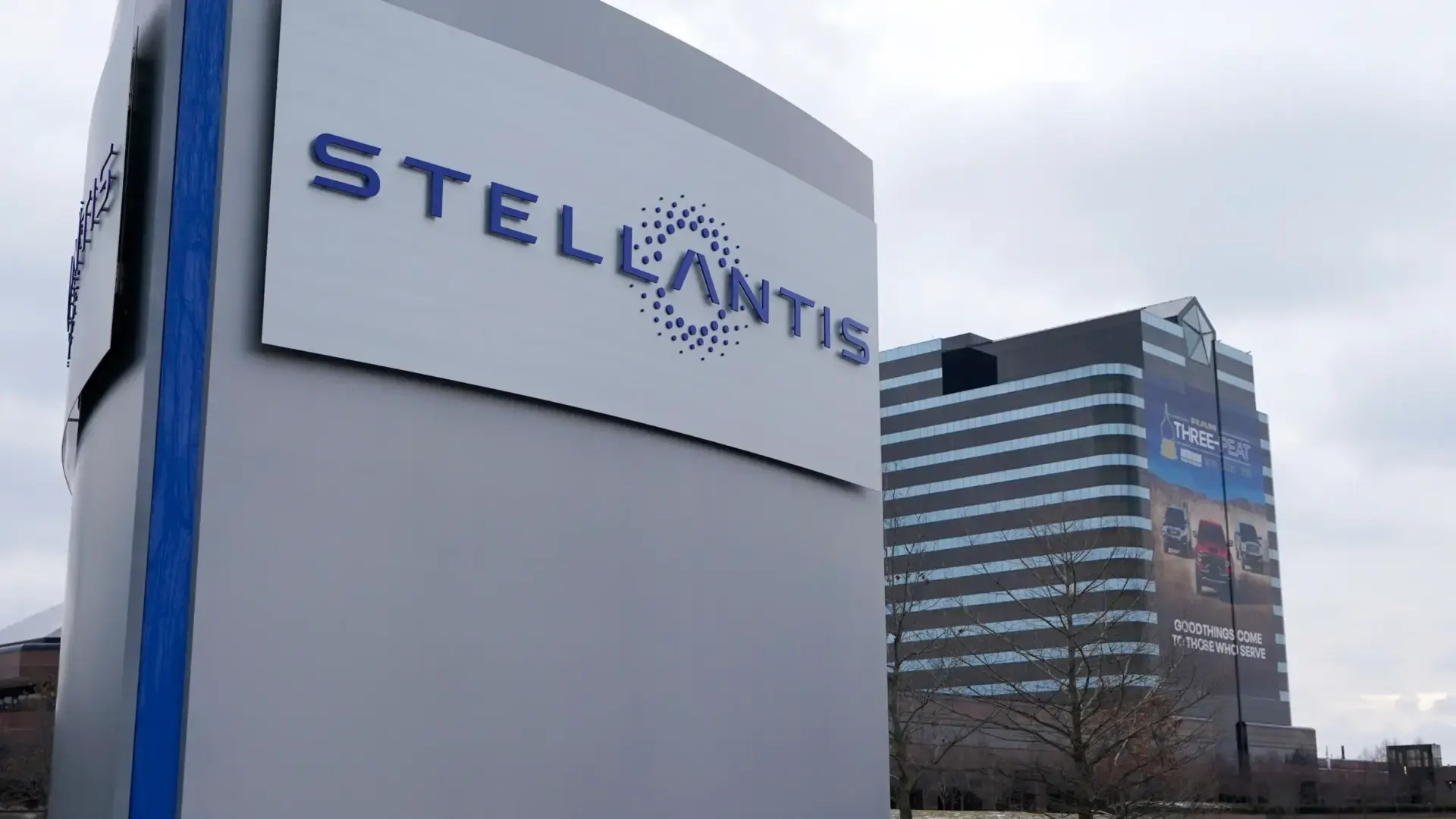
Thanks to a sweeping revision of federal Corporate Average Fuel Economy (CAFE) standards by the National Highway Traffic Safety Administration (NHTSA), the group is staring at a staggering $6.6 billion in compliance savings through 2031.
For an automotive empire heavily reliant on gas-chugging heavyweights from Jeep, Ram, Dodge, and Chrysler, this regulatory about-face feels less like a “get-out-of-jail-free card”. Instead of frantically engineering bank-breaking tech or forcing unwanted electric vehicles onto hesitant American buyers, CEO Antonio Filosa can finally tailor his lineup to what the market actually demands: big trucks, rugged SUVs, and sensible hybrid compromises that don’t bankrupt the enterprise.
The broader auto industry is set to pocket an eye-watering $60.6 billion in total relief, averaging roughly $1,289 in avoided costs for every vehicle manufactured over the period.
While General Motors takes top honors with a massive $20.4 billion windfall, Stellantis firmly secures second place, comfortably outpacing Ford’s $5.8 billion, Toyota’s $4.5 billion, and Honda’s $4.1 billion savings.
For Stellantis, the timing could not be sweeter. The group’s North American arm has been navigating a bumpy stretch, trying to re-energize flagging sales while trimming operational bloat under its internal FaSTLane 2030 cost-cutting initiative, which targets €6 billion in annual savings by 2028 compared to 2025 levels.
Having billions less in federal penalties hanging like a sword of Damocles over its gas-powered money makers gives Filosa genuine strategic agility. Nobody expects that $6.6 billion to instantly manifest as a shiny new assembly plant or a fleet of cheap commuter cars.
However, it completely changes the calculus for North American product planning. Rather than burning through precious capital just to chase arbitrary fleet-wide fuel averages, Stellantis gets to pace its electrification transition realistically.
In a market where buyers still stubbornly love high-output pickups and trail-rated SUVs, looser CAFE rules mean Stellantis can focus on building vehicles people genuinely want to purchase rather than cars built solely to appease Washington accountants.