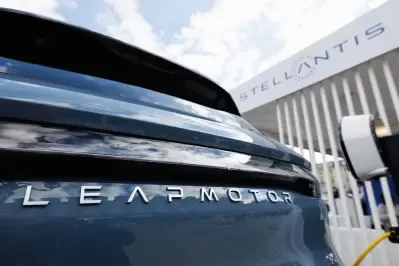
Navigating government environmental regulations in the automotive sector requires either revolutionary engineering or a very clever corporate workaround. Stellantis, ever the pragmatist, chose the latter. As the United Kingdom tightens the vice on legacy automakers with its aggressive Zero-Emission Vehicle (ZEV) mandates, Stellantis has found an unexpected savior in Chinese EV manufacturer Leapmotor.
Rather than frantically trying to convert every gas-guzzling crossover into a loss-leading electric vehicle, the transatlantic giant is deploying affordable Chinese battery-electric cars across British shores to offset its traditional combustion and hybrid sales.
Under the UK’s regulatory framework, car manufacturers are legally required to achieve a 33% zero-emission sales mix across their total registrations in 2026, with the threshold climbing even higher in subsequent years. For a sprawling conglomerate like Stellantis, which juggles everything from fuel-sipping gasoline hatchbacks to plug-in hybrids, hitting that percentage natively is an operational nightmare.
Enter Leapmotor: because the Chinese brand builds strictly electric vehicles, every single unit registered acts as a high-powered regulatory eraser, directly boosting Stellantis’ overall fleet emission average and keeping costly government penalties at bay.
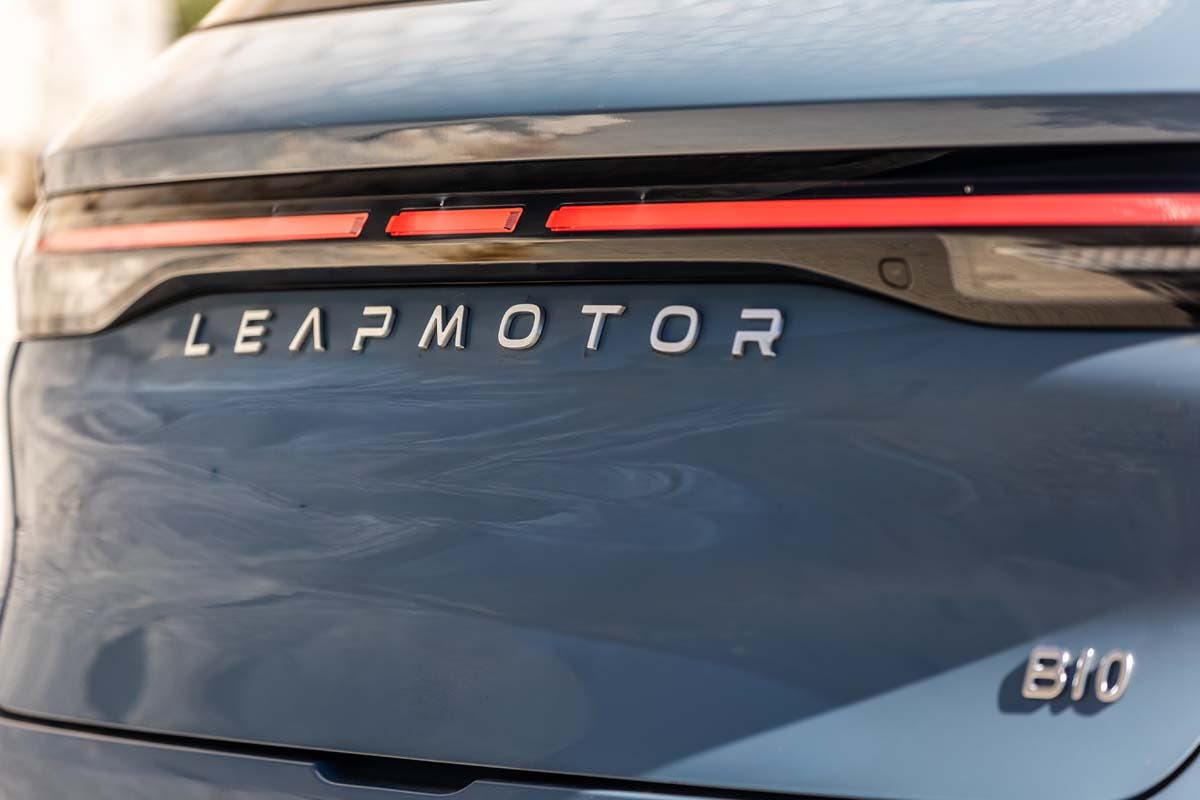
Beyond serving as a compliance shield, Leapmotor fills a critical void in the British market: affordable electric mobility. While traditional European brands continue to struggle with high battery production costs, keeping budget-conscious buyers tethered to internal combustion engines, Leapmotor delivers low-cost EVs in market segments where price remains the ultimate dealbreaker.
Stellantis controls a commanding 51% stake in Leapmotor International, the corporate entity managing global expansion outside China, while Leapmotor retains the remaining 49%. This majority ownership effectively allows the automotive giant to outsource budget EV development while harvesting the regulatory benefits on foreign soil.
While Leapmotor alone will not magically resolve all of Stellantis’ EV transition hurdles, its presence will become increasingly vital as zero-emission thresholds stiffen. By leveraging Chinese manufacturing efficiency to counterbalance its combustion lineup, Stellantis is buying precious time in the high-stakes game of European regulatory compliance.