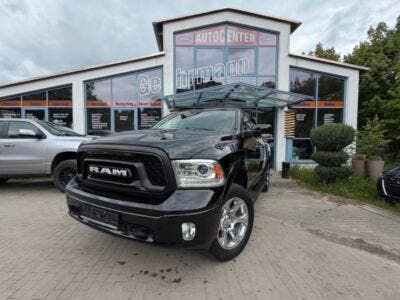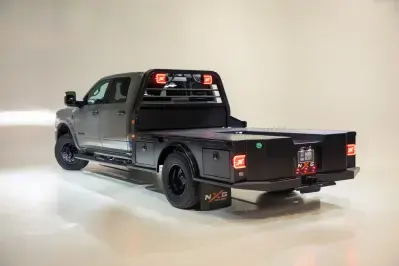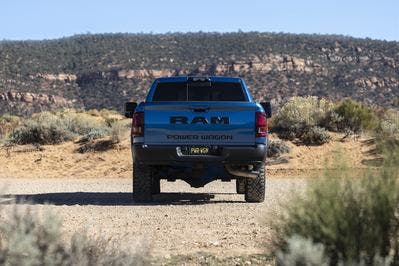
If you take a stroll through the Warren Truck Assembly Plant in Michigan, you might hear an echo. Once the proud home of the Ram 1500 Classic, the facility is currently languishing in underutilization, babysitting the high-end Jeep Grand Wagoneer and awaiting an upcoming extended-range electric powertrain.
Meanwhile, across the southern border, Stellantis’s real cash cow, the heavy-duty Ram lineup, is pumping out sky-high profit margins in Mexico. Naturally, in the topsy-turvy world of corporate logistics, leaving a massive American factory sitting half-empty while your most lucrative trucks wear Mexican passports made sense to accounting. Until the tariffs arrived.

According to supplier sources highlighted by Automotive News, Stellantis is now holding preliminary discussions to calculate the financial damage of moving Ram HD production from Mexico back home to Warren.
Stellantis predictably declined to comment, but the math speaks louder than corporate silence. Rivals Ford and General Motors have long built their heavy-duty behemoths on home soil. Stellantis remained the lone holdout, happily enjoying lower foreign assembly costs. But as trade policy shifts and tariffs hammer cross-border economics, assembling heavy-duty rigs outside the US has morphed from a clever cost-cutting hack into an expensive liability.
If this corporate déjà vu feels familiar, that’s because we’ve seen this movie before. Back in 2018, Fiat Chrysler Automobiles (FCA) announced grand plans to relocate HD truck assembly to Warren, only to pull a sharp U-turn and keep operations in Mexico after intense UAW labor negotiations drove up domestic costs. Fast forward to today, and the tariff pendulum has swung hard in the opposite direction, forcing Stellantis executives back to the drawing board.
Yet, moving a high-volume truck platform isn’t as simple as flicking a switch. It demands staggering capital investments in factory retooling, re-engineering supplier logistics, and workforce restructuring. Compounding the headache is the looming uncertainty surrounding the US-Mexico-Canada Agreement (USMCA).
Dropping billions to overhaul a Michigan plant is a tough pill to swallow when Washington might rewrite trade rules overnight. For now, Stellantis is simply asking suppliers for a price tag on sanity, hoping the cost of coming home isn’t higher than staying put.