
Fiat Toro has surpassed 78,000 exports since production began at Goiana, making it one of the three most exported vehicles from Stellantis’ Pernambuco plant alongside the Jeep Renegade and Compass. The pickup has therefore played an important role in the latest milestone announced by the group, which has now exported 300,000 vehicles built at Goiana since 2015.
Stellantis reaches 300,000 exports from Goiana as Fiat Toro plays a key role
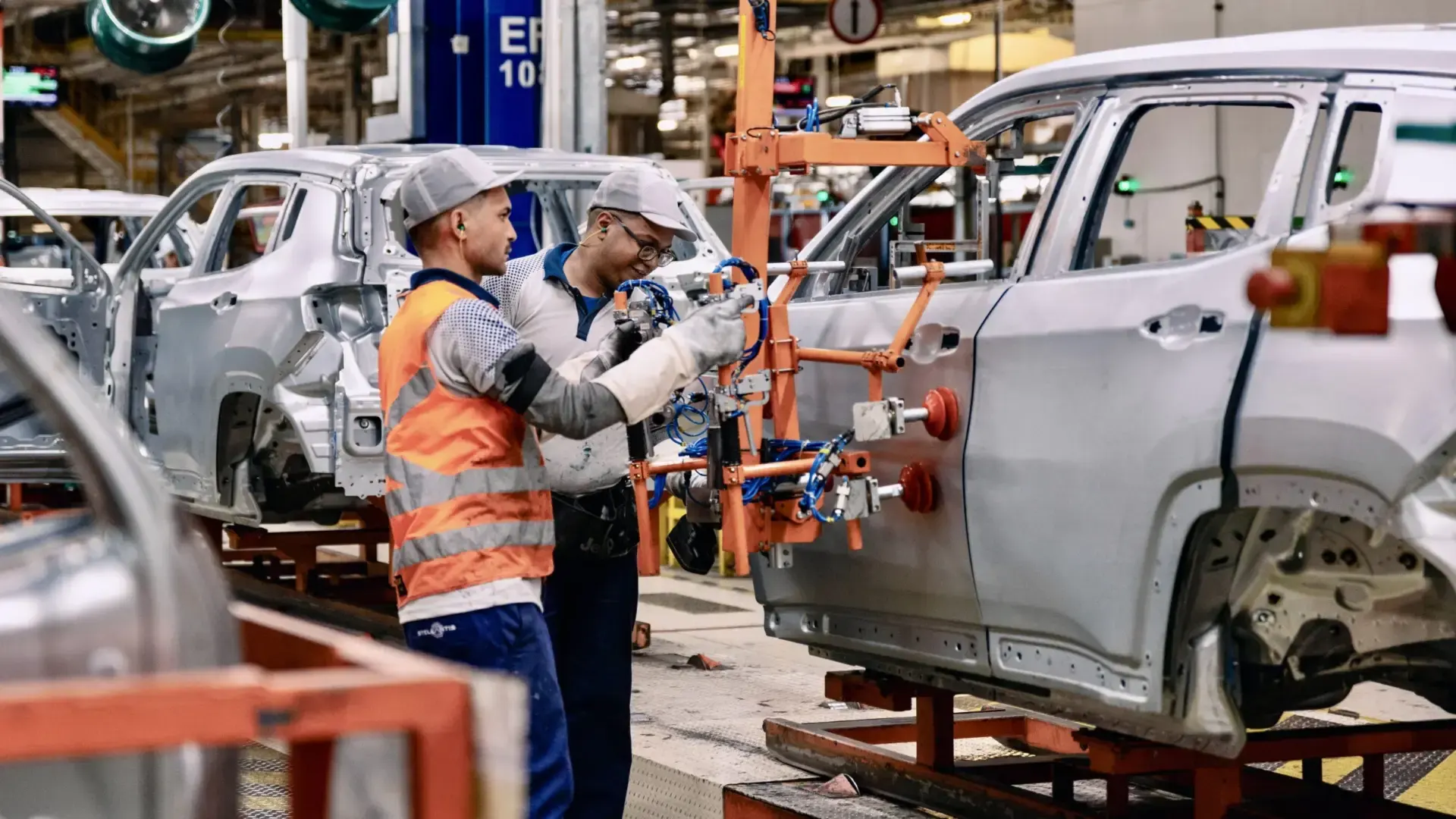
Fiat developed the Toro primarily for South American customers, where midsize pickups serve both work and personal transportation needs. Its export numbers show how the model has also found buyers beyond the market that originally shaped the project. Goiana has meanwhile taken on a broader role within Stellantis’ manufacturing network and now supplies more than 20 countries.
The plant also builds the Jeep Commander and Ram Rampage. Producing five different models does not mean each one contributes equally to international shipments. Stellantis’ 300,000-unit figure represents total exports accumulated over the plant’s history, while destinations vary by model and commercial strategy. Goiana-built vehicles reach markets across Latin America and the Caribbean, as well as selected countries in the Middle East and Europe.
The factory can produce up to 280,000 vehicles per year. That figure represents annual production capacity and should not be confused with the 300,000 exports accumulated over roughly 11 years. Another milestone helps put the scale of the operation into perspective. In August 2025, Stellantis announced that Goiana had produced more than 2 million vehicles since opening. Most of that output has therefore served the Brazilian market, even as the plant gradually expanded its export network.
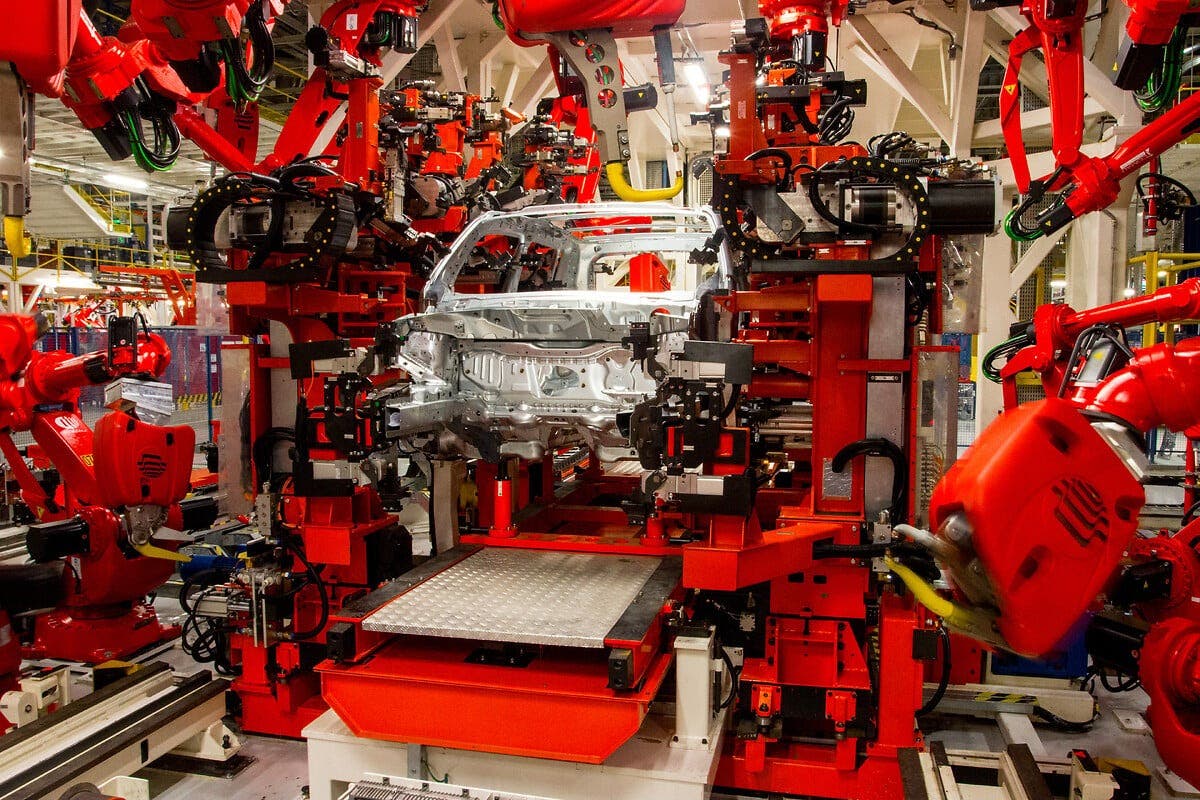
Stellantis plans to invest 13 billion reais, or about $2.5 billion, in the Goiana complex between 2025 and 2030. That investment will support future products and the continued development of local operations, while the latest export milestone reflects activity that the plant has already established.
Access to a wider range of markets can help Goiana spread production volumes across several destinations, but future growth will still depend on actual demand for each of the five models currently built there.