There was a time when “industrial behemoth” meant invincible. In the automotive landscape of 2026, however, size isn’t a superpower. Stellantis and Volkswagen are currently offering a masterclass in an unprecedented paradox: the bigger you are, the faster you burn cash while agile newcomers sprint past you.
Take Stellantis, for instance. The merger between FCA and PSA should have become the ultimate bulletproof fortress, a sprawling corporate empire boasting fourteen brands, global reach, and unrivaled economies of scale.
Fast forward to today, and Bloomberg’s balance sheet math reveals a painful reality check: the group has wiped out nearly two-thirds of its market value in just two years. Carlos Tavares staked everything on aggressive cost-cutting and a rushed EV strategy.
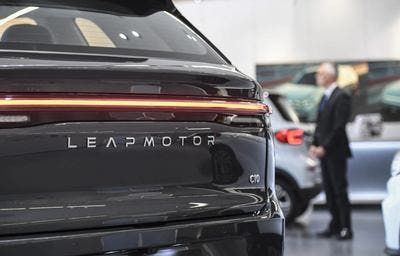
Enter his successor, Antonio Filosa, who inherited a burning house and had to swallow a staggering €22 billion ($24 billion) in extraordinary charges just to hit the reset button. Filosa now envisions a split empire: the lucrative US market anchored by heavyweights like Jeep, Ram, and Chrysler on one side, and the rest of the world on the other, where survival means cozying up to partners like Leapmotor.
If Stellantis sounds like a corporate drama, Volkswagen is an even richer cautionary tale. Once considered practically untouchable thanks to its deep German political roots, twelve distinct brands, and massive vertical integration, Volkswagen’s legendary structural strength has officially transformed into dead weight. Its indirect costs exceed direct rivals by a whopping 30%, while operating margins have slumped below 4%. A figure CEO Oliver Blume admits is nowhere near enough to fund a sustainable tech transition.
Aggressive Chinese newcomers like BYD, Xpeng, Xiaomi, and MG aren’t burdened by decades of labor union standoffs or institutional red tape. They operate with featherweight structures and measure development cycles in months rather than years.
In 2026, the auto industry doesn’t care about your heritage. Size is no longer armor: speed, adaptability, and execution are the only things keeping the lights on.