

When a legendary Italian brand delivers fewer than 8,000 vehicles in a full year, down sharply from 11,300 the year prior, and posts a painful €198 million adjusted operating loss, the corporate alarm bells do not just ring. They play a full opera. Maserati’s ambitious attempt to conquer the luxury EV market with its proprietary Folgore lineup, including the Grecale, GranTurismo, and GranCabrio Folgore, turned into a cash-draining exercise that failed to yield sustainable returns.
Now, parent company Stellantis is seeking a tech-heavy lifeline from the East, engaging in high-stakes negotiations with tech giant Huawei and Chinese automaker JAC for a long-term industrial partnership.
According to reports confirmed by Reuters, this unholy alliance aims to launch a jointly developed luxury EV by late 2027. Naturally, Stellantis has offered its standard corporate response: radio silence. Under the proposed arrangement, the vehicle will sit on Huawei’s Harmony Intelligent Mobility architecture, with JAC providing the heavy lifting for engineering and production know-how.
Maserati’s legendary craftsmen will essentially be relegated to handling exterior design, chassis tuning, and brand positioning. In other words, China supplies the brain and bones, while Italy provides the fine leather and prestigious Trident badge.
The commercial strategy features a fascinating split personality. In China, this luxury EV will be under Maextro, the high-end brand of Huawei and JAC. For the rest of the world, the exact same vehicle will roll into showrooms wearing a Maserati emblem. It is the ultimate exercise in global badge engineering, offering two completely different brand identities depending on which side of the Pacific you reside.
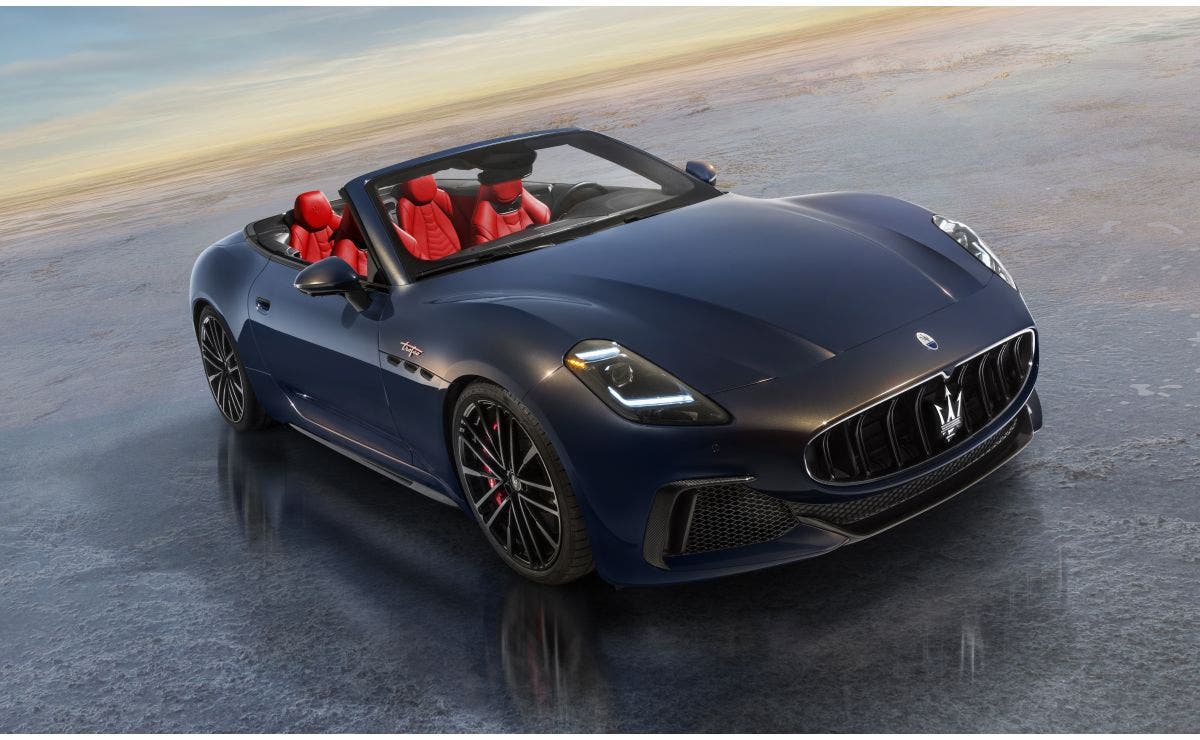
While this compromise spares Maserati the ruinous costs of developing a standalone electric platform, it leaves the brand’s heritage dangling by a thread. Italian manufacturing hubs in Cassino and Modena remain part of the conversation on paper, with analysts suggesting the deal could boost production volume. However, the final assembly location remains strictly unconfirmed.
As Stellantis prepares to unveil its long-term strategy for Maserati in December, one thing is abundantly clear: the iconic Trident is officially trading pure Italian bloodlines for Chinese software in a desperate bid to survive.