

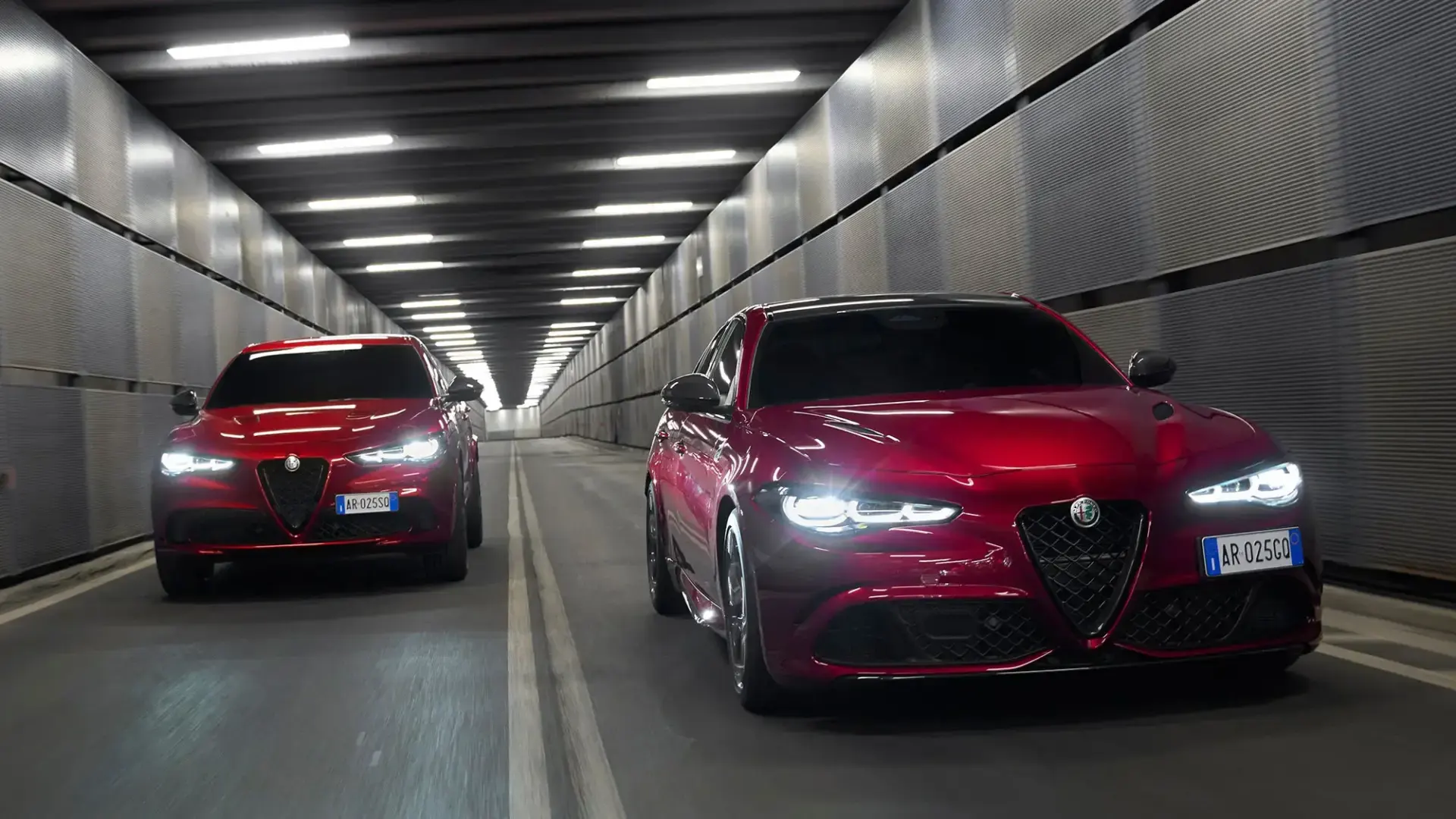
The ultimate riddle in Alfa Romeo’s future product roadmap is not what happens in the mass-market volume ranks, but how the brand intends to handle its top shelf. With the current Giulia sedan and Stelvio SUV scheduled to end production in 2027, parent company Stellantis has conspicuously refrained from announcing direct, standalone successors for either.
This calculated “radio silence” points to a corporate reality check: instead of pouring capital into developing both a distinct sedan and SUV, the Biscione might fuse both into a single, high-riding Segment D fastback crossover.
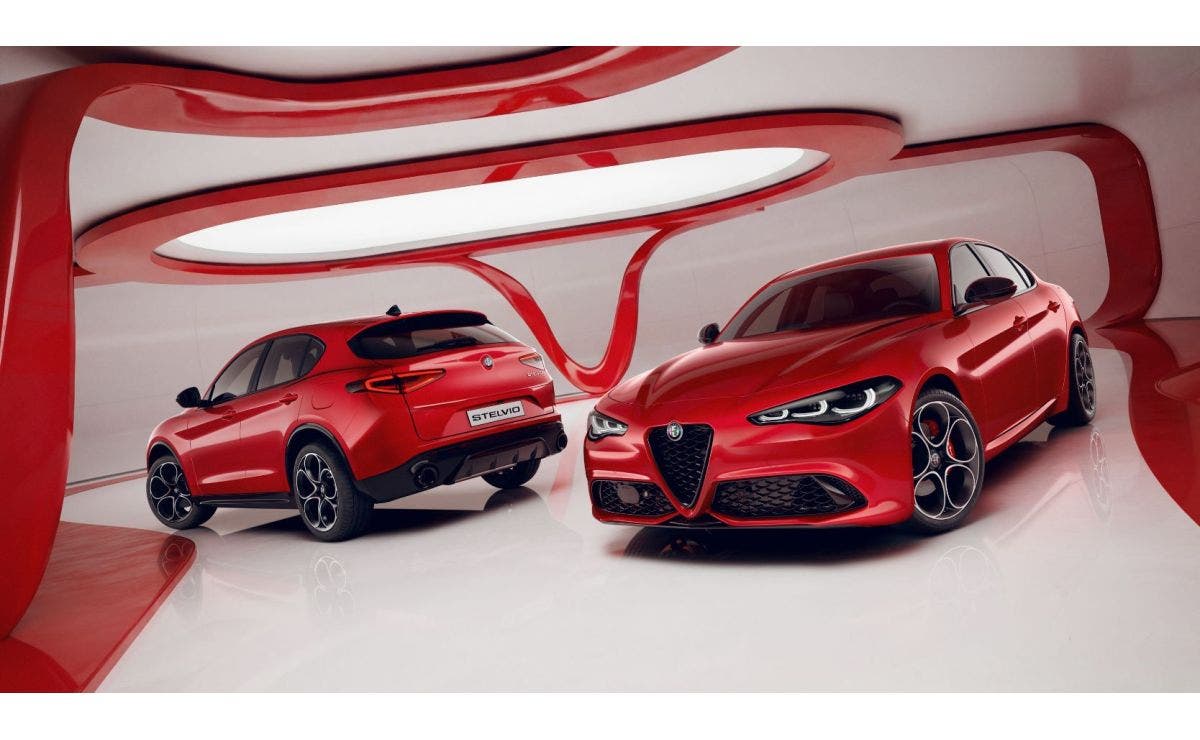
This budget-conscious shift stems directly from Stellantis’s “FaSTLAne 2030” strategic playbook, which ruthlessly reorganized the corporate empire into strict financial hierarchies. While Jeep, Ram, Peugeot, and Fiat are global cash cows, Alfa Romeo went to the “regional brand” tier alongside Chrysler, Dodge, Citroën, and Opel. The romantic dream of aggressive global expansion on the STLA Large platform has given way to cold financial pragmatism.
Stellantis is explicitly eliminating duplicated R&D spending, meaning two overlapping D-segment vehicles attempting to split a niche buyer base simply will not pass a modern board audit.
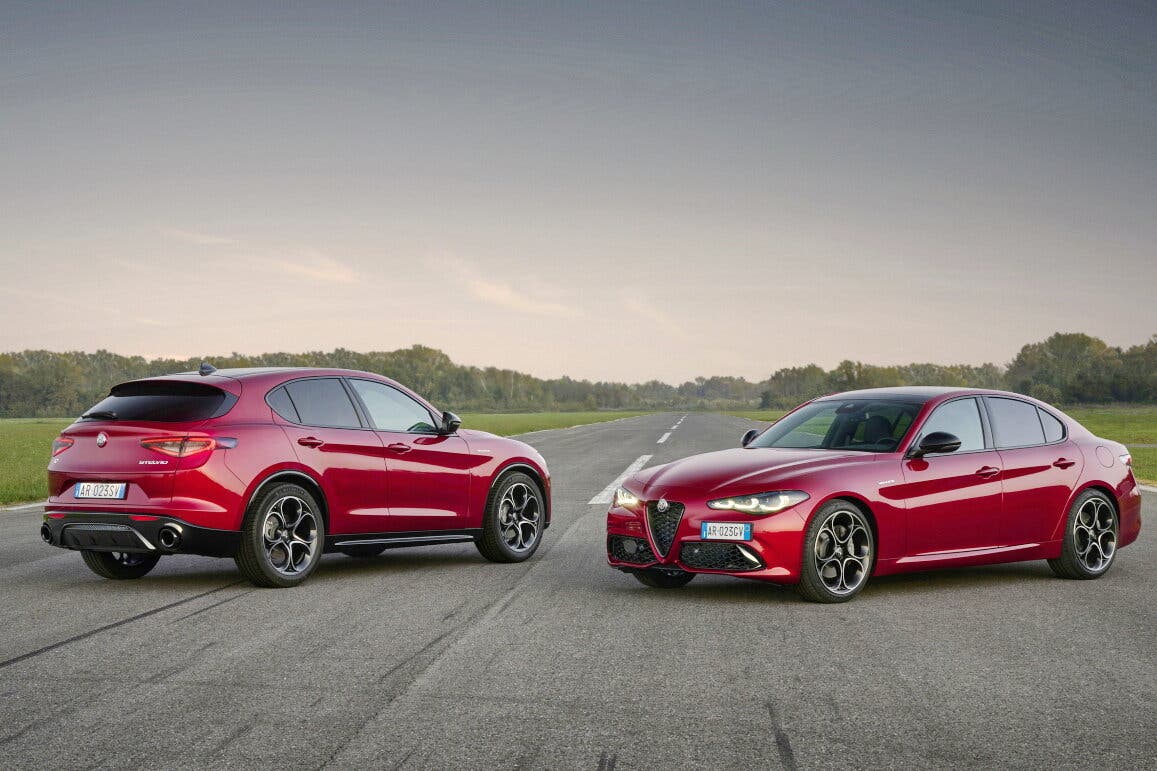
Instead, Alfa Romeo is studying a single multi-energy architecture, capable of housing both hybrid and battery-electric powertrains, that attempts to be everything to everyone. The goal is a vehicle sleeker and lower than a traditional SUV, yet far more practical than a low-slung sedan.
Meanwhile, the real volume heavy lifting shifts downmarket. The Junior handles Segment B sales, while Segment C gets a double dose of attention. A new C-SUV will roll out of Melfi on the STLA Medium architecture in Q4 2027, accompanied by a new STLA One-based hatchback built to channel the accessible everyday sports spirit of the classic 147 and Giulietta.
By focusing capital on high-volume B and C segments, Stellantis ensures that Alfa Romeo’s presence in Segment D can be streamlined into a single, high-riding, do-it-all flagship. Pragmatists will call it lean platform efficiency, while traditionalists digest the reality of a single-car D-segment lineup.