

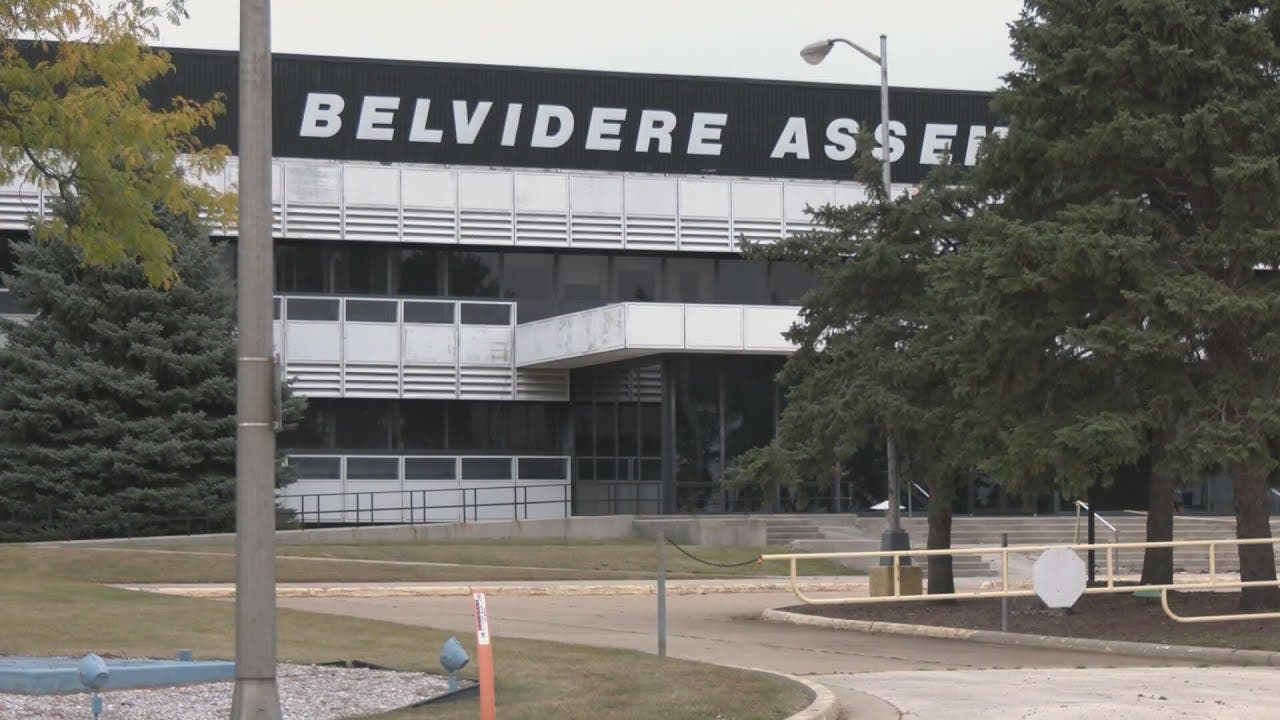
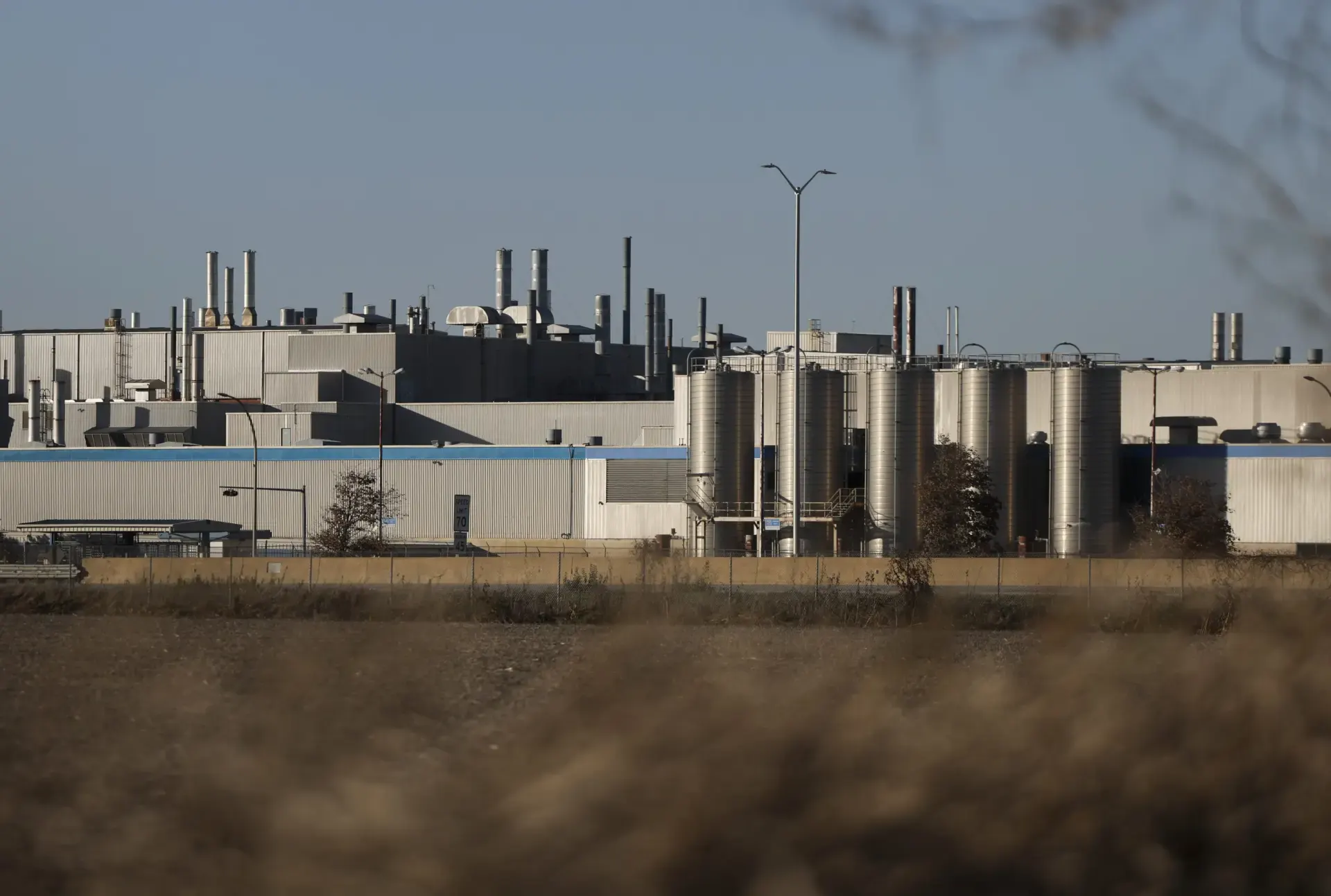
If corporate press releases were legally binding contracts, the workers at Stellantis’s shuttered 5-million-square-foot Belvidere Assembly Plant would already be celebrating their third grand reopening. Instead, after closing the Illinois facility in early 2023, the automaker’s latest August 14 announcement offers yet another tantalizing date on the horizon: late 2029.
That is when the factory is now scheduled to build the next-generation Jeep Cherokee on the multi-energy STLA One platform, pushing back previously promised 2027 timelines for a midsize truck that vanished into thin air alongside a once-touted $3 billion electric vehicle battery plant and a parts distribution hub.
Union president Matt Frantzen summarized the collective eye-roll with a simple motto: “Show us”. While the automaker sweetens the delay with an additional $200 million commitment, bringing total projected investments to $2.1 billion alongside anticipated state and federal aid, and extends supplemental unemployment pay to 74% for laid-off workers, skepticism remains the default posture.
Roughly 1,400 former Belvidere employees remain scattered across the country in grueling two-hour commutes or exiled to distant out-of-state facilities like Toledo and New Jersey, waiting for a solid return date rather than another shifting deadline.
The technical rationale behind this game of timeline roulette lies in Stellantis’s platform strategy. The recently launched 2026 Jeep Cherokee, currently assembled at the Toluca Assembly Plant in Mexico, rides on an EV-first structure that makes its current hybrid powertrain as awkward as corporate PR logic. Transitioning to the modular STLA One architecture promises a much sleeker setup for an auto market retreating from pure electric vehicles.
With pilot builds targeted for Q2 2028 and a projected annual output of 200,000 units across two shifts, Stellantis has actually spent $60 million on physical retooling through July with another $60 million queued up. Yet, with the plant set to reopen after the current UAW contract expires in early 2028, workers know better than to start packing their bags.