

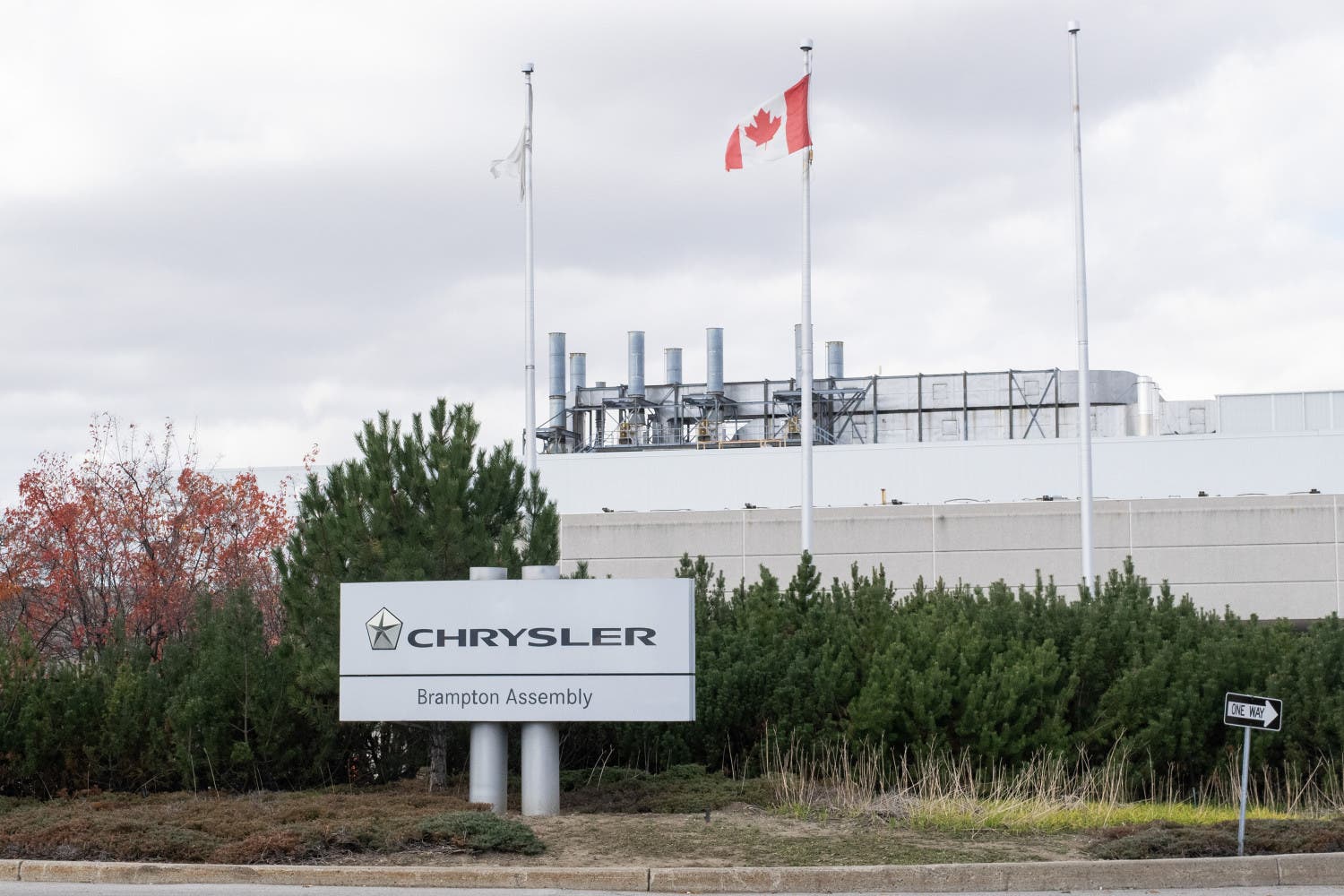
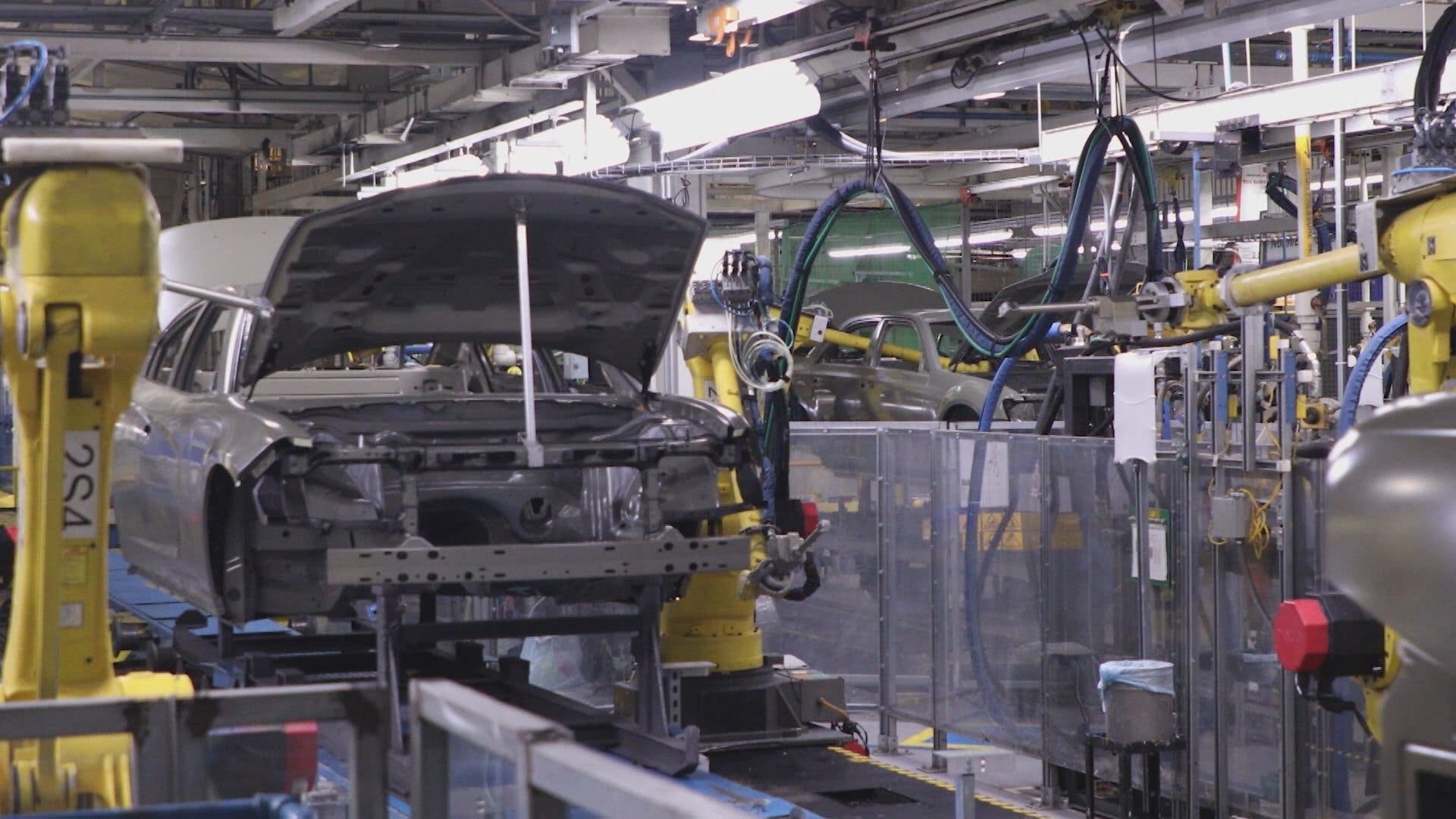
Stellantis officially kicked off collective bargaining negotiations with Unifor in Toronto, armed with a corporate PR strategy as predictable as it is tactical: reminding everyone how much money it has already spent. Citing more than $8 billion in Canadian investments since 2022, including a star role in building the nation’s first large-scale battery manufacturing facility, the automaker is attempting to set a defensive narrative before union negotiators start sharpening their pencils.
In a statement carefully calibrated to sound both generous and deeply worried, Trevor Longley, President of Stellantis Canada, preached respect, good faith, and workforce appreciation. Naturally, he paired those warm feelings with subtle warnings about the looming dark clouds of economic, trade, and competitive pressures currently destabilizing the global automotive industry. Translated from corporate spin: “We love our workers, but please do not ask for a raise that breaks the spreadsheet”.
The real drama lies in the timing. Stellantis finds itself negotiating last against a firmly established pattern-bargaining floor. Ford opened the floodgates in July by securing CA$900 million ($645 million USD) in fresh Canadian commitments, and General Motors quickly fell in line primarily on wage terms. Sitting at the end of the line is a bit like arriving at a dinner table right as the bill arrives.
This explains why Stellantis is flaunting its $8 billion receipt so loudly before formal talks even heat up. By aggressively highlighting its massive capital outlays and battery investments, management hopes Unifor will judge the company on its cumulative historical generosity rather than strictly comparing hourly wage increases to its Detroit rivals.
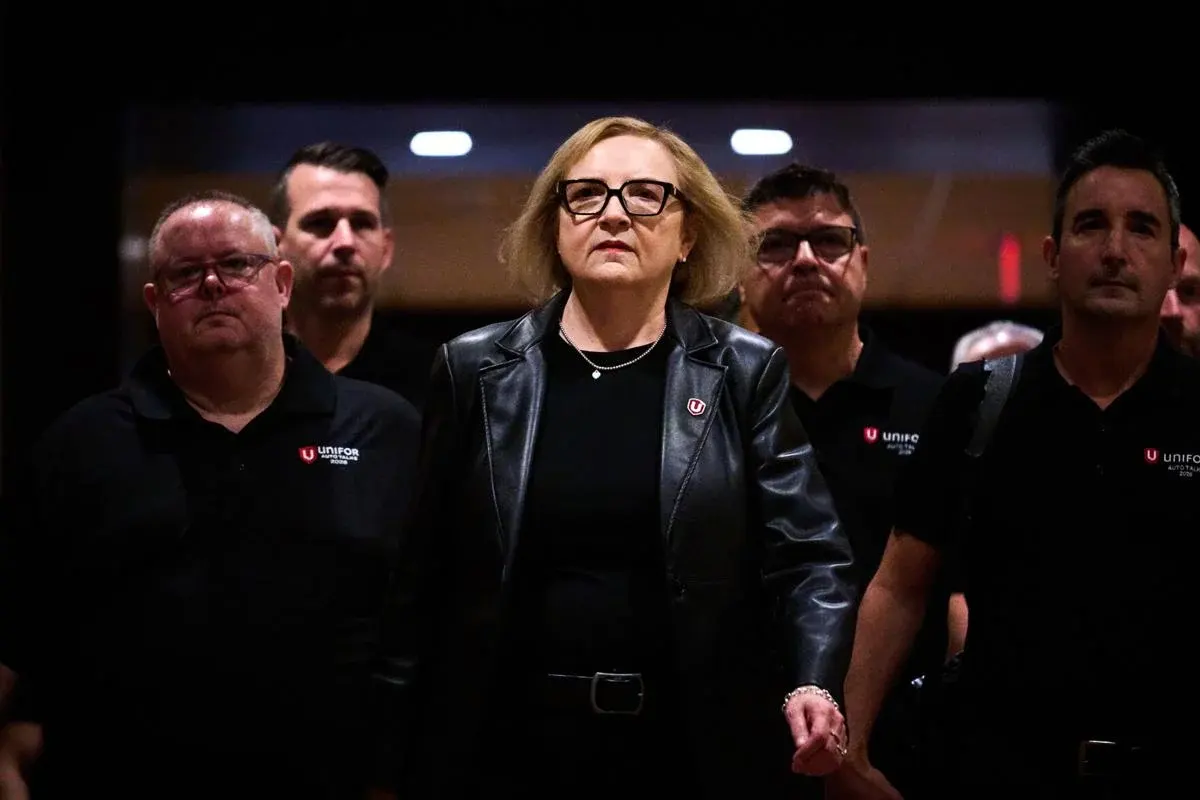
Meanwhile, those vague “trade pressures” referenced by leadership point directly to ongoing USMCA renegotiation fears and shifting tariff structures. Whether Unifor accepts the company’s “we already gave at the office” defense or demands a exact match of the Ford and GM wage pattern will determine whether Toronto sees a smooth deal or a protracted labor war.