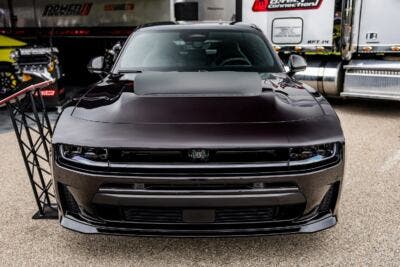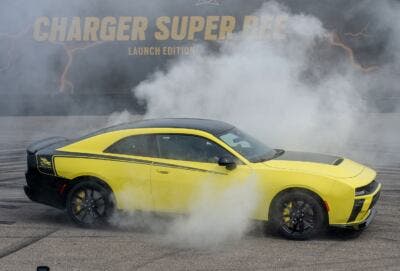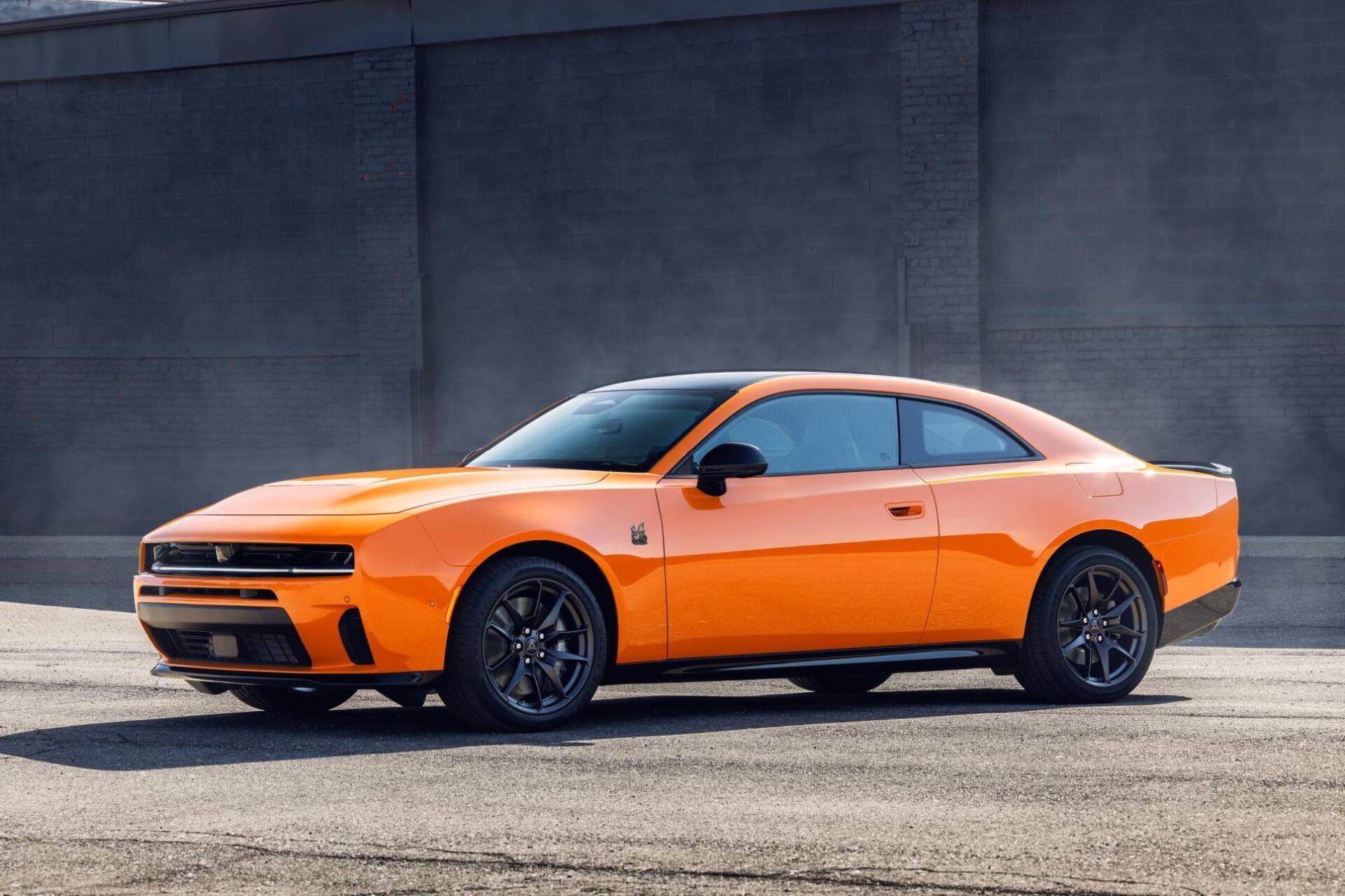
Fifteen years is practically an epoch in the fast-moving auto industry, yet Stellantis decided Europe has suffered long enough without official Dodge Charger imports. After a decade and a half of grey-market smuggling and longing gazes across the Atlantic, the iconic American muscle car is officially returning to the Old Continent.
Fabio Catone, Managing Director of Dodge Europe, boldly dubbed this revival a “key moment for the brand”. If there is one thing European city centers clearly lacked between tiny roundabouts and microscopic parking spots, it was a multi-ton street-clearing juggernaut.
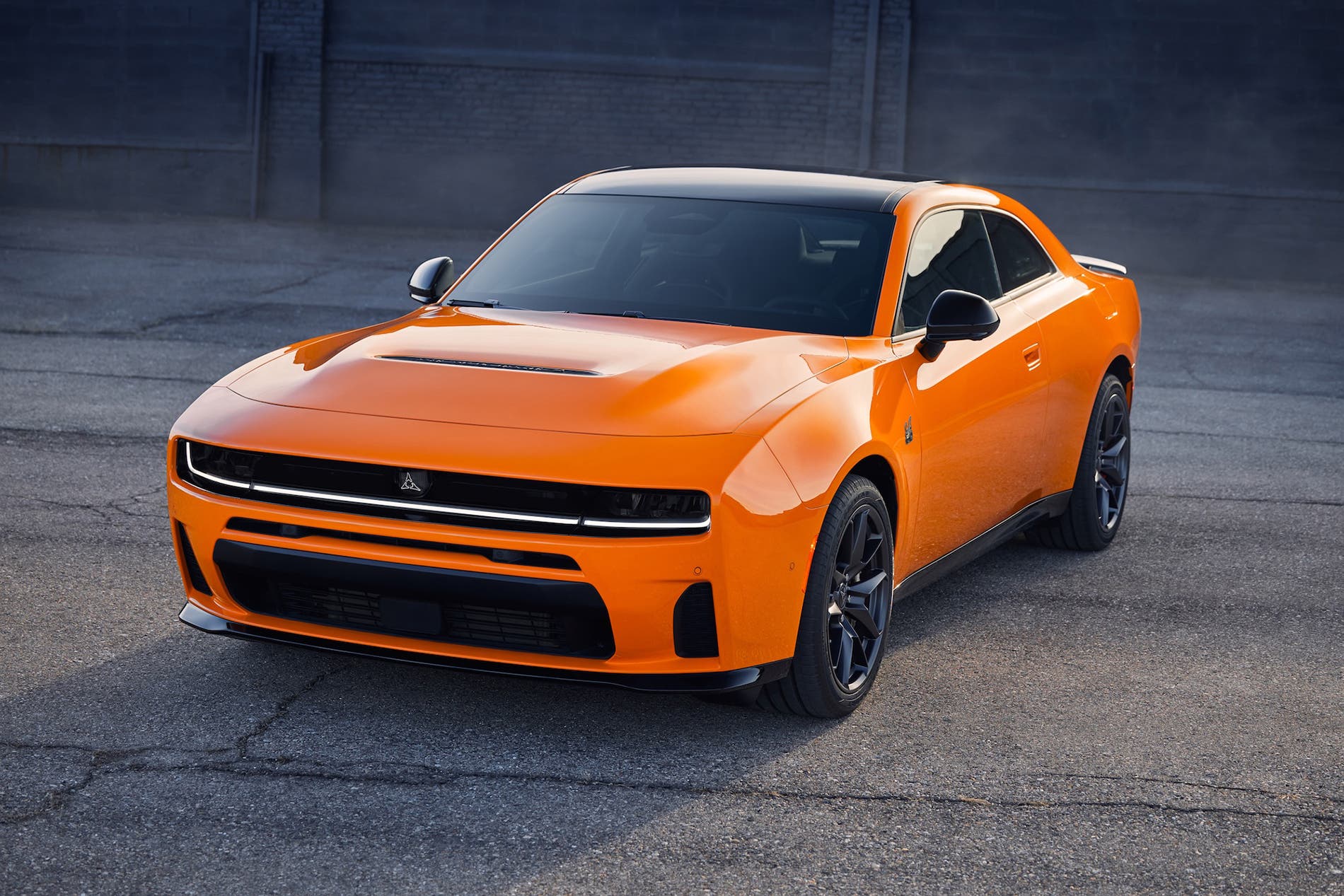
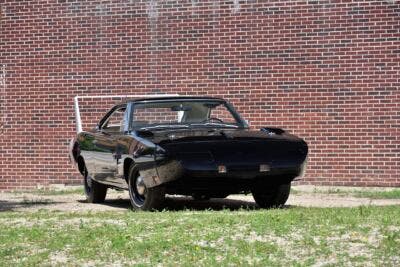
Ever since its 1966 debut during the golden era of American muscle, the Charger built its legacy on fastback styling, driver-centric cockpits, and unapologetic V8 engines that apologized to absolutely no one. Hollywood sealed the deal: from Bullitt to the physics-defying Fast & Furious franchise, it became a global symbol of unabashed delinquency that even non-car people could spot from a mile away. But while movie heroes can jump bridges without breaking a sweat, real-world cars eventually have to face the stern bureaucrats in Brussels.
The very identity that made the Charger legendary, with unfiltered noise and reckless fuel consumption, now collides head-first with strict EU emission targets and green mandates. Stellantis’ solution is a masterclass in diplomatic compromise: offering both the gas-powered Sixpack engine and a 100% electric variant. You can choose the Sixpack to unleash your inner outlaw, or opt for the EV to soothe your eco-guilt.
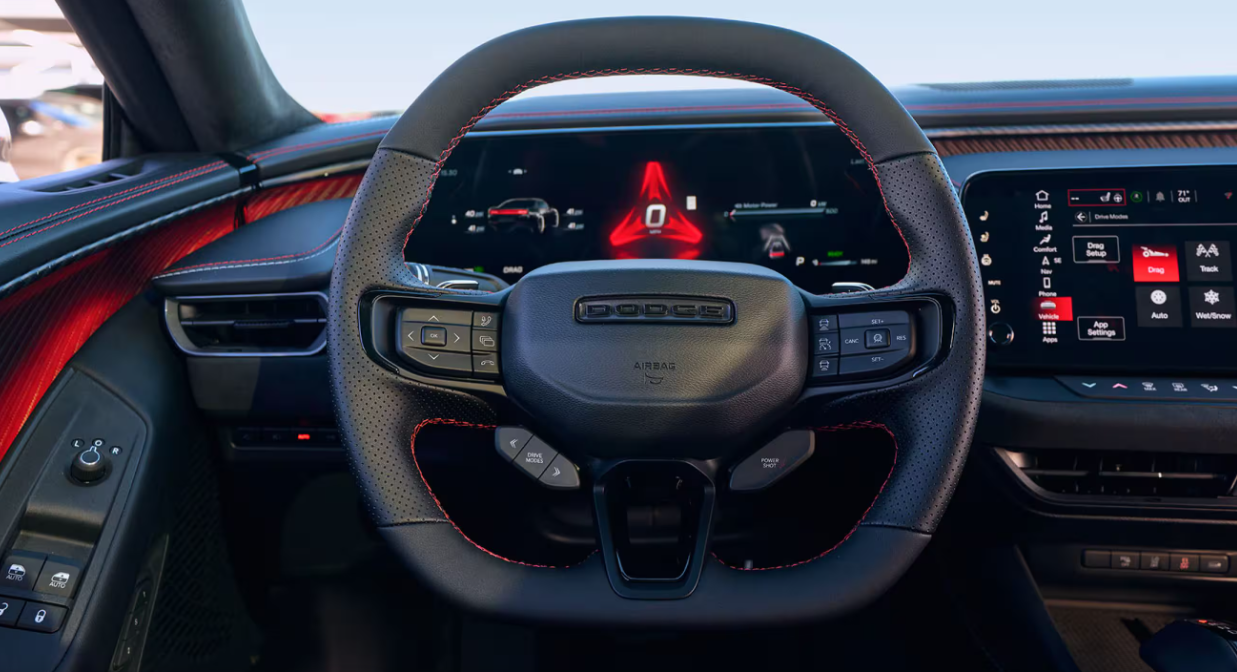
Catone insists that “character and authenticity” remain the guiding lights of this comeback. There is undeniable bravado in dropping an unrepentant piece of Americana into a region obsessed with micro-hybrids and soul-crushing efficiency ratings.
Convincing hardcore enthusiasts will be the easy part. The real challenge lies in persuading sensible European commuters that a vehicle originally designed to terrify Nevada highways makes total sense while negotiating a drizzly, cobblestone roundabout between France and Germany.