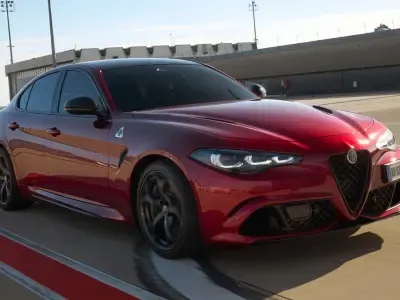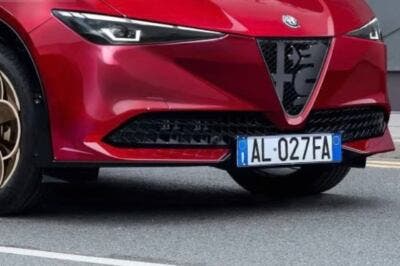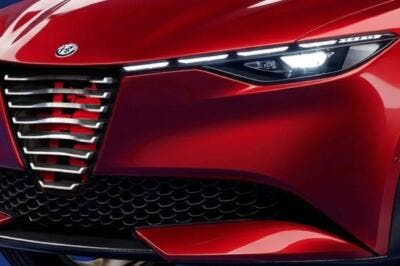
Alfa Romeo now sits among the regional brands in Stellantis’ FaSTLAne 2030 plan, but it will continue to use technology developed across the group. The new classification changes commercial priorities and how Stellantis allocates investment, while Alfa Romeo’s product plan already includes a C-SUV built in Melfi and a concept car set to debut in Paris on October 12.
Stellantis gives Alfa Romeo a more regional focus without cutting access to group technology
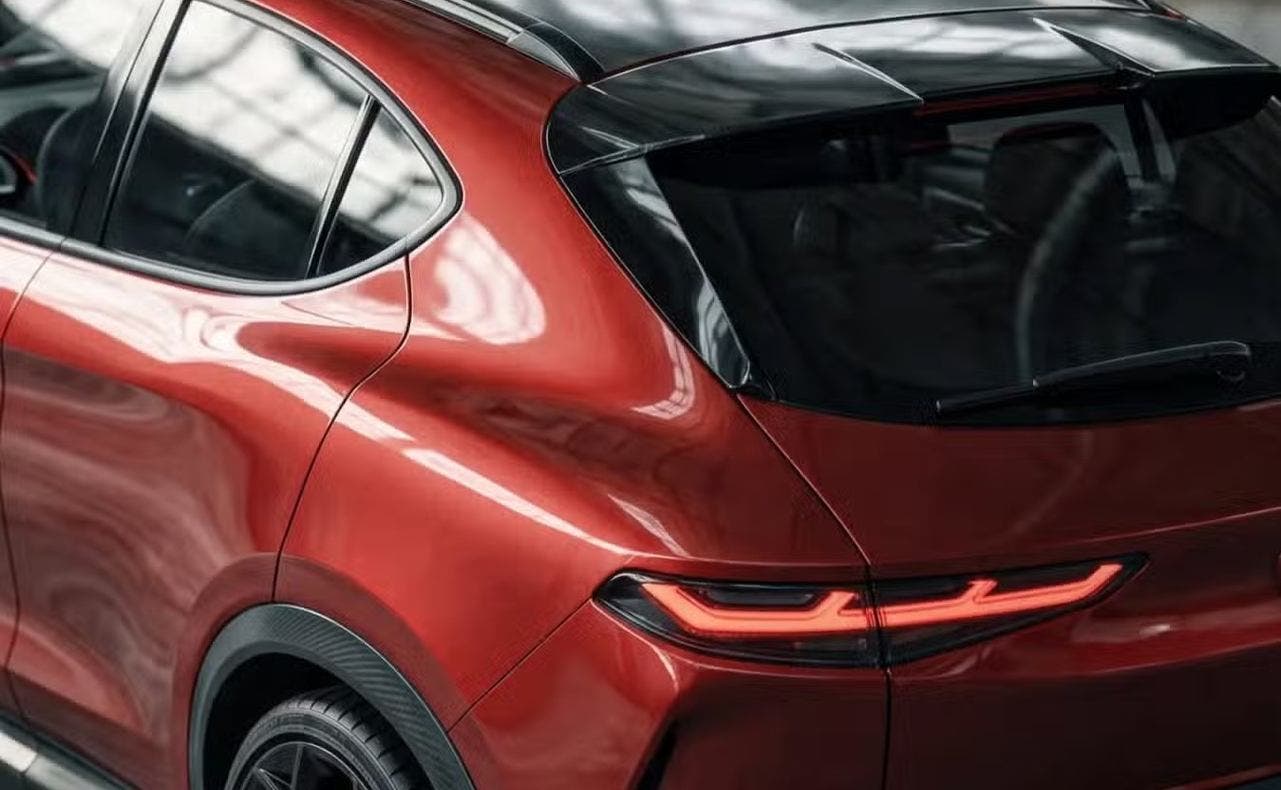
The new SUV represents the clearest industrial milestone. Alfa Romeo has confirmed a reveal in the fourth quarter of 2027, with the model using the STLA Medium platform and offering multiple powertrain options. Designers developed the project in Turin, while production will bring Alfa Romeo to the Melfi plant with a vehicle aimed at the same market segment currently served by the Tonale.
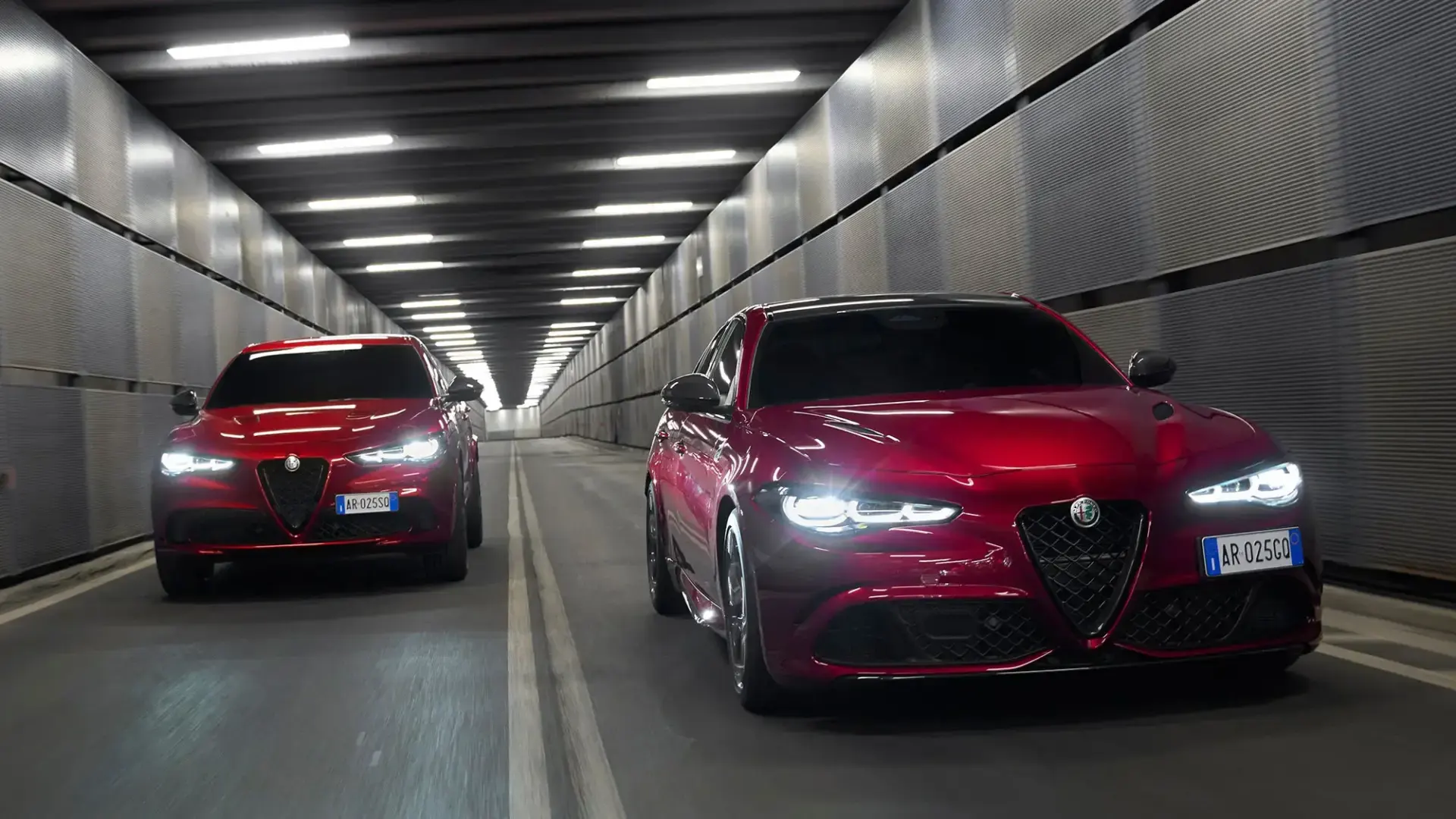
The Junior will continue to target compact-car buyers, while the current Giulia and Stelvio will remain in the lineup through 2027, including the Quadrifoglio versions. Alfa Romeo is still evaluating what comes next in the D-segment. A new compact model could also arrive later, potentially reviving the type of product once represented by the 147 and Giulietta.
This expansion will take place within an investment structure that gives greater priority to other brands. Jeep, Ram, Peugeot and Fiat, together with Pro One commercial vehicles, will receive around 70 percent of the investment allocated to brands and products. Alfa Romeo instead joins Opel, Citroën, Dodge and Chrysler in the regional group, with each brand expected to focus on the markets where it has the strongest opportunity to perform.
That classification does not mean Alfa Romeo must sell only in Italy or Europe. Instead, it points to a more selective expansion strategy in which each new model needs a clear business case rather than depending on high sales volumes across every global market.
Shared technology could make that approach easier to sustain. When several vehicles use the same architecture, Stellantis can spread development costs across much higher production volumes, leaving each brand to focus on the characteristics customers actually see and experience. Alfa Romeo could therefore support lower-volume products without carrying the full development cost on its own.
Stellantis also plans to introduce the STLA One architecture from 2027, with a target of reducing costs by 20 percent. Any possible use on future Alfa Romeo models remains separate from the upcoming Melfi C-SUV, which will use STLA Medium.
Before those production models arrive, the Paris concept will show how Alfa Romeo plans to express its identity under the new strategy. The October 12 presentation will provide the first opportunity to see that direction translated into a complete vehicle.