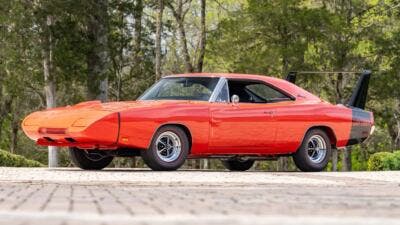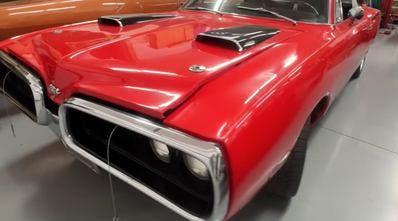
Back in 1968, Chrysler decided to offer the exact same budget muscle car under two different badges and see which sibling won the playground fight. The Plymouth Road Runner wiped the floor with the Dodge Super Bee. While the Road Runner crushed sales charts, Dodge only managed about 51,000 Super Bees total across that entire stretch.
When high-compression V8s met their doom in 1971, Dodge unceremoniously axed the Super Bee, while Plymouth kept the Road Runner badge alive all the way through 1980 on the compact Volare platform.
Fast forward over five decades, and while the mythical 425-horsepower Hemi Super Bee, with just 349 units built out of 56,000 total between 1968 and 1971, commands eye-watering six-figure sums at auctions, weird option combinations created some oddball survivors. Case in point, a 1970 hardtop that underwent a full personality makeover.
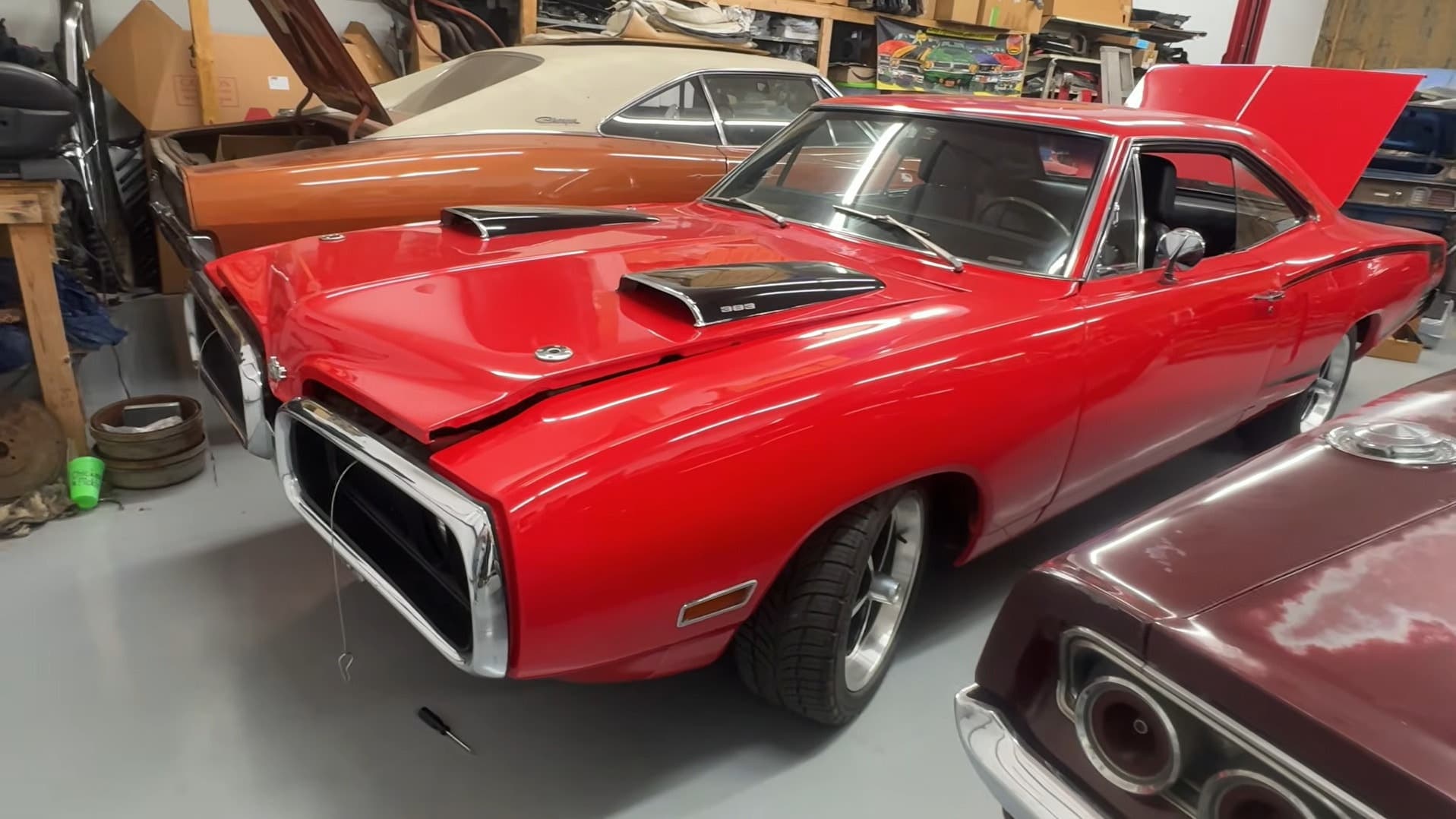
Instead of its original factory finish, this Mopar now wears Porsche’s iconic Guards Red. Someone sprayed German sports car paint onto American heavy metal. Under the hood sits a 451-cubic-inch stroker V8 built on a 1972-vintage 400 block, mated to a four-speed manual transmission. But its factory birth certificate tells a hilariously underwhelming story.
When it rolled off the assembly line in 1970, one of just 3,966 hardtops out of 15,506 Super Bees sold that year, it was specced with the base 383 V8 and the standard, utterly unloved A745 three-speed manual transmission.
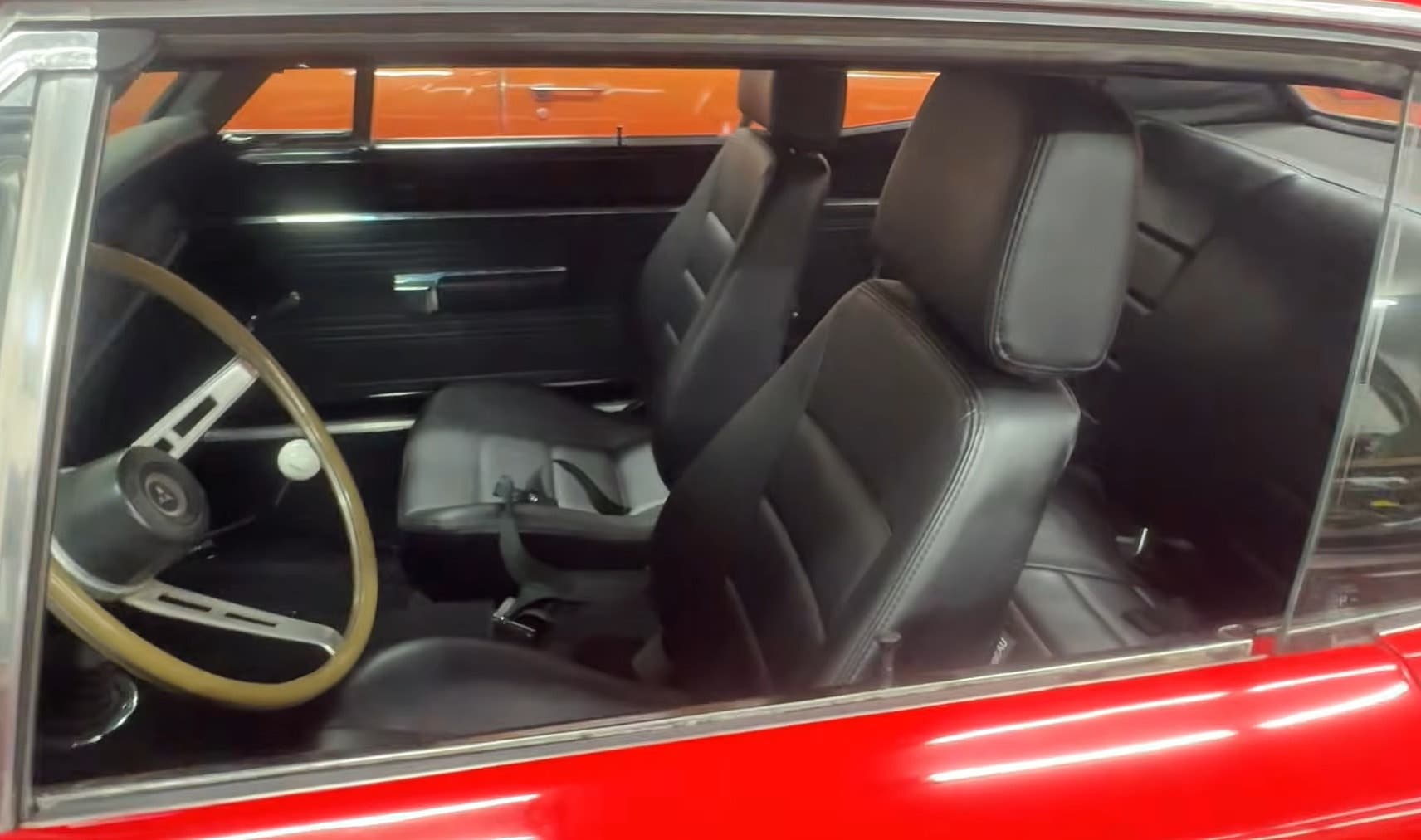
While most buyers gladly paid extra for the TorqueFlite automatic or a crisp four-speed, fewer than 1,000 buyers were cheap enough to stick with the clunky three-speed. Yet, ironically, this basic drivetrain came paired with the aggressive N96 Ramcharger hood, a wicked Plum Crazy exterior, a white vinyl top, and a white interior.
Mathematically, that factory spec makes it an ultra-rare unicorn. Financially, however, returning it to stock would be complete madness. Three-speed manual Mopars carry zero collector appeal, meaning a full concours restoration would easily burn through twice the car’s actual market value. Sometimes, a Porsche-red Frankenstein muscle car deserve to stay as it is: loud, modified, and difficult to love.