Detroit’s auto executives can pause their frantic sweat sessions, at least for another news cycle. Following the high-stakes US-China bilateral talks, the White House kept the gates firmly shut against Chinese electric vehicles.
Despite pre-summit rumors that President Donald Trump might invite Chinese automakers to set up shop on American soil, BYD executives were noticeably absent from the state dinner, and Chinese cars weren’t even brought up at the negotiating table. For American legacy brands and foreign parts suppliers who feared their US business foundations were about to collapse under ruthless price competition, this silence was pure, golden relief.
Yet, hiding behind a giant wall of 100% tariffs and stringently protective software restrictions is merely delaying an impending reckoning. Industry analysts universally agree that the arrival of Chinese cars in the United States remains entirely inevitable.
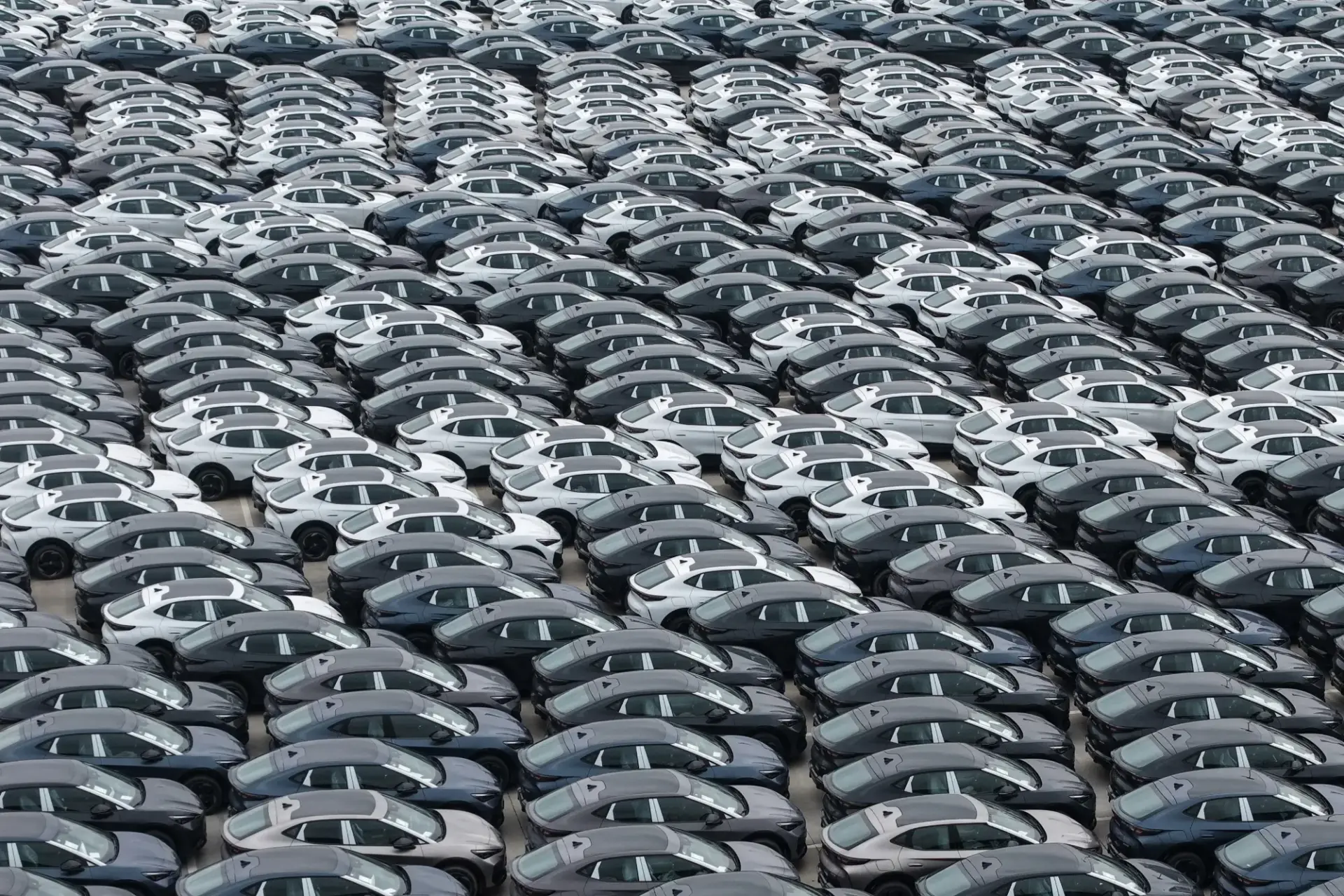
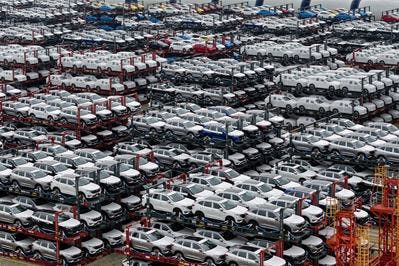
While Washington plays political defense, China’s automotive juggernaut continues to steamroll the rest of the planet. According to research firm GlobalData, Chinese automotive brands surged from a 15% global market share to a staggering 24% in 2026, with exports projected to shatter the 10-million-vehicle milestone for the first time this year.
The uncomfortable truth keeping domestic product planners up at night is that Chinese EVs are simply offering superior horsepower, range, tech features, and pricing compared to lagging American alternatives. Between relentless inflation and geopolitical gas price spikes driven by the Iran War, consumers are increasingly hungry for affordable electrified mobility.
While some US automakers pivot back to hybrid safety blankets, experts like CSIS analyst Scott Kennedy suggest the US will eventually have to crack the door open using price floors and strict data security protocols rather than outright bans.
Meanwhile, former GM executive Michael Dunne points out that American OEMs may ultimately have no choice but to license Chinese vehicle tech just to keep consumer costs down. Hiding behind triple-digit tariffs historically breeds complacency, stifles innovation, drives up consumer prices, and leaves domestic automakers stranded in a high-cost time capsule while the rest of the world drives into the future.