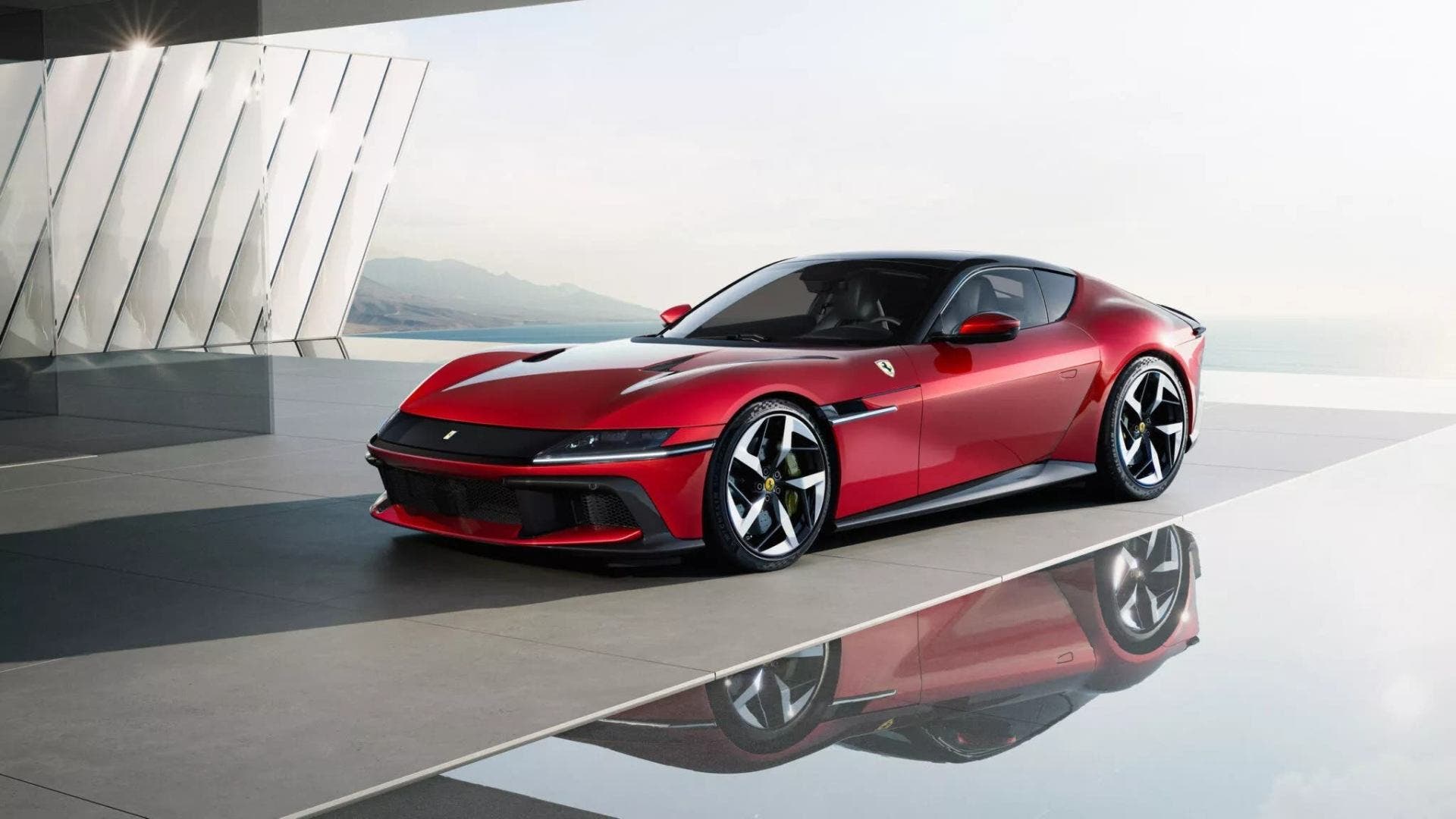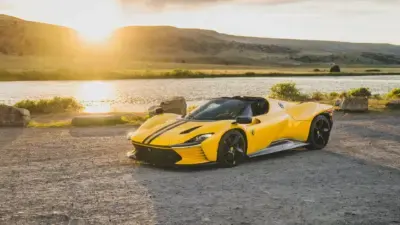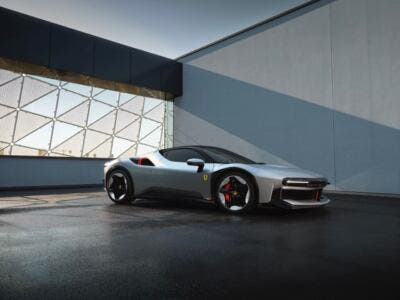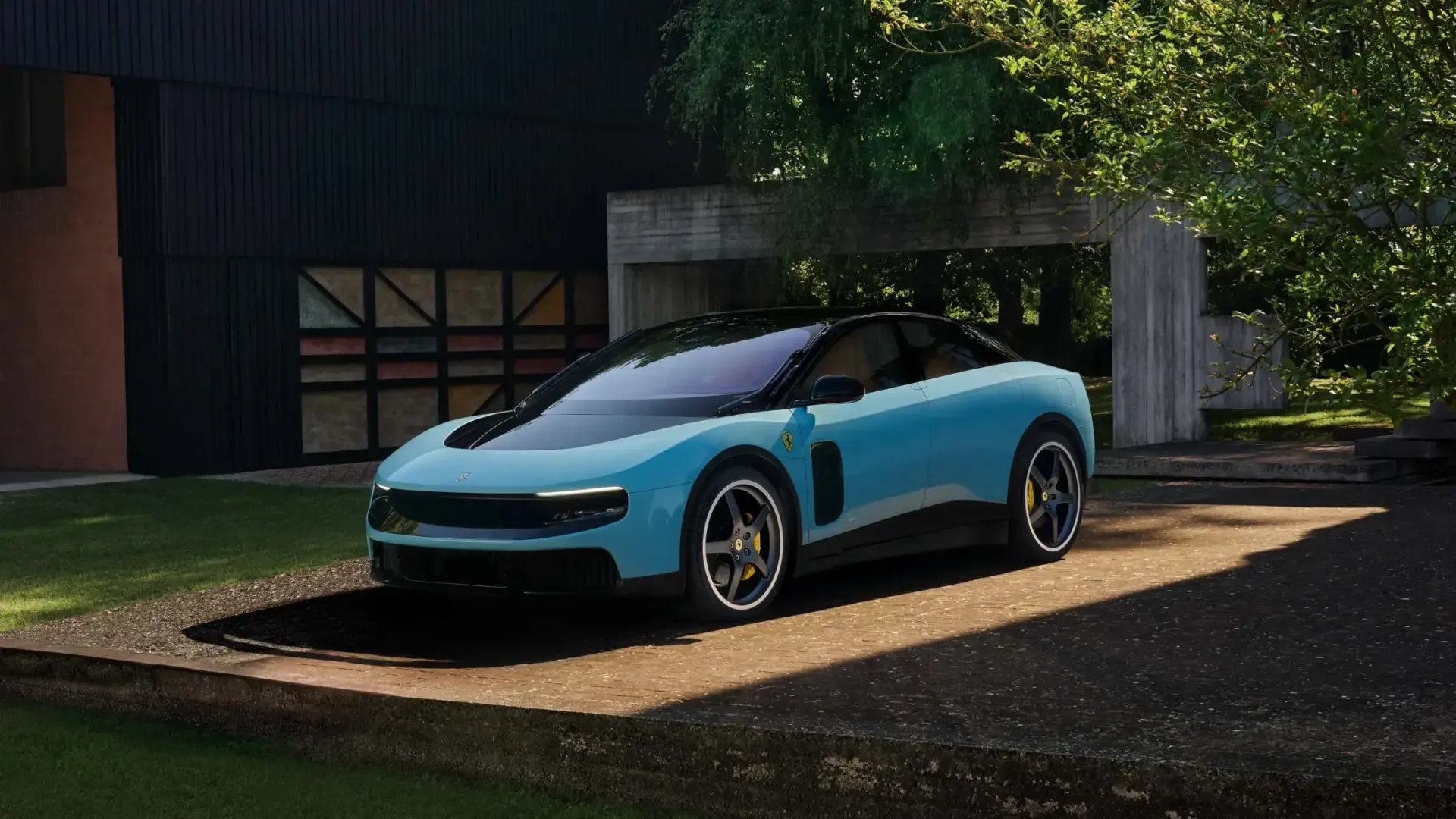
Ferrari has already allocated its production through 2028, supported by demand that remains strong as the company moves through one of the broadest product renewals in its recent history. The current order book gives Maranello roughly two years of coverage and includes very different models, from traditional combustion-powered sports cars to new products that expand Ferrari into segments and technologies it had never previously explored.
Ferrari has already allocated production through 2028 as new models join the lineup
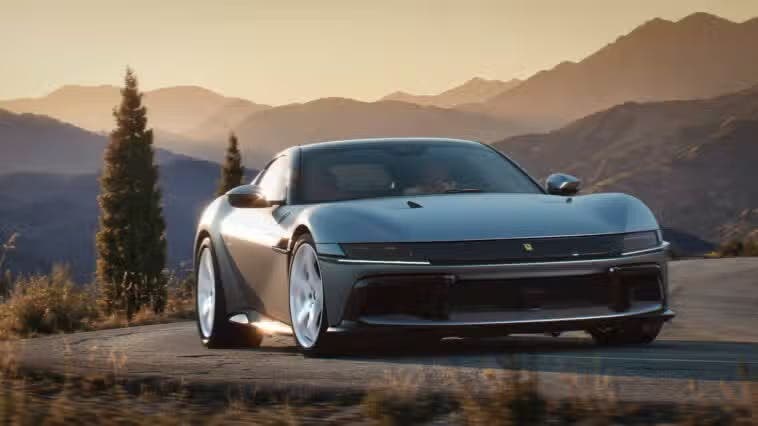
Available information indicates that Ferrari has already sold out the first production run of the Luce, despite the electric model receiving mixed reactions from enthusiasts who remain strongly attached to traditional engines. The very first Luce also sold at Monterey for an extraordinary $40 million. Ferrari, however, has not replaced its combustion-powered lineup with the new EV. Instead, the company has added electric propulsion to a range that will continue to include sports cars powered by internal-combustion engines. Ferrari followed a similar strategy with the Purosangue, which took the brand into the high-riding vehicle segment without forcing it to abandon coupes and spiders.
The ongoing lineup renewal will gradually bring production of models such as the 296 GTS, Roma Spider and SF90 XX to an end, along with some related variants. Newer products will take over the available production capacity as Maranello increases output of the Amalfi, 296 Speciale, 296 Speciale A and 849 Testarossa to meet existing orders.
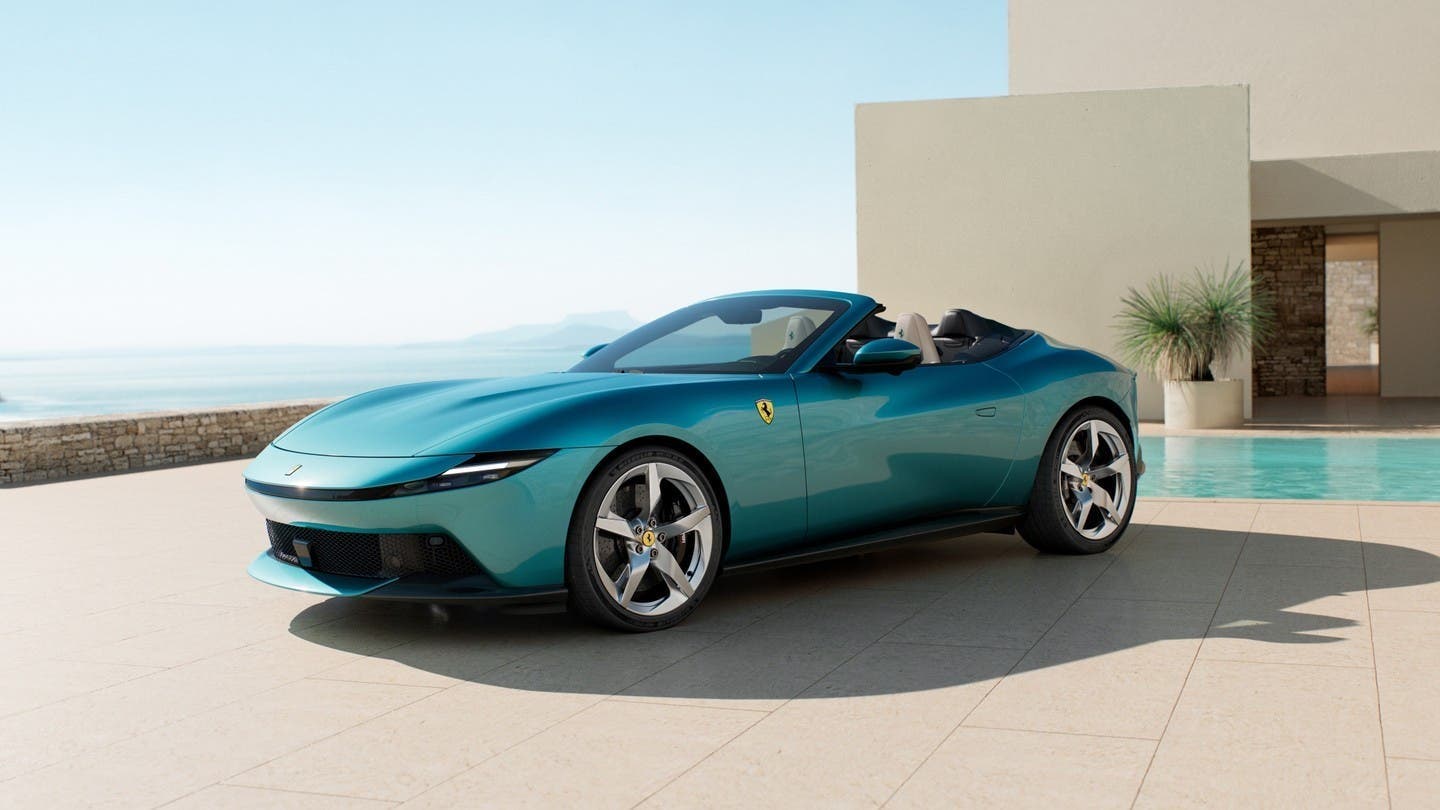
Ferrari has also revealed the Amalfi Spider, Luce and 12Cilindri Manuale, which will contribute to the next stages of its production program. The combination of electric models and cars based on more traditional architectures allows Ferrari to spread demand across very different products while continuing to control production volumes and preserve exclusivity.
A prototype spotted testing near Ferrari’s Maranello headquarters may also preview an open-top version of the F80. Ferrari has not confirmed such a model, however, so the images alone cannot establish whether the test car previews a future production vehicle or belongs to a different development program.
With orders covering production through 2028, Ferrari can manage the transition between outgoing models and recently introduced products without relying on an immediate wave of new reservations. Customers face a different situation, as actual availability depends on production slots assigned to each model, many of which already have commitments stretching well into the next two years.