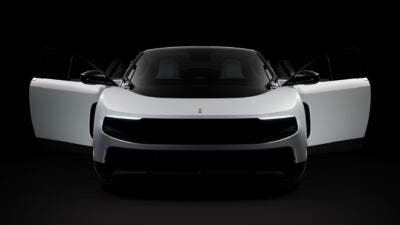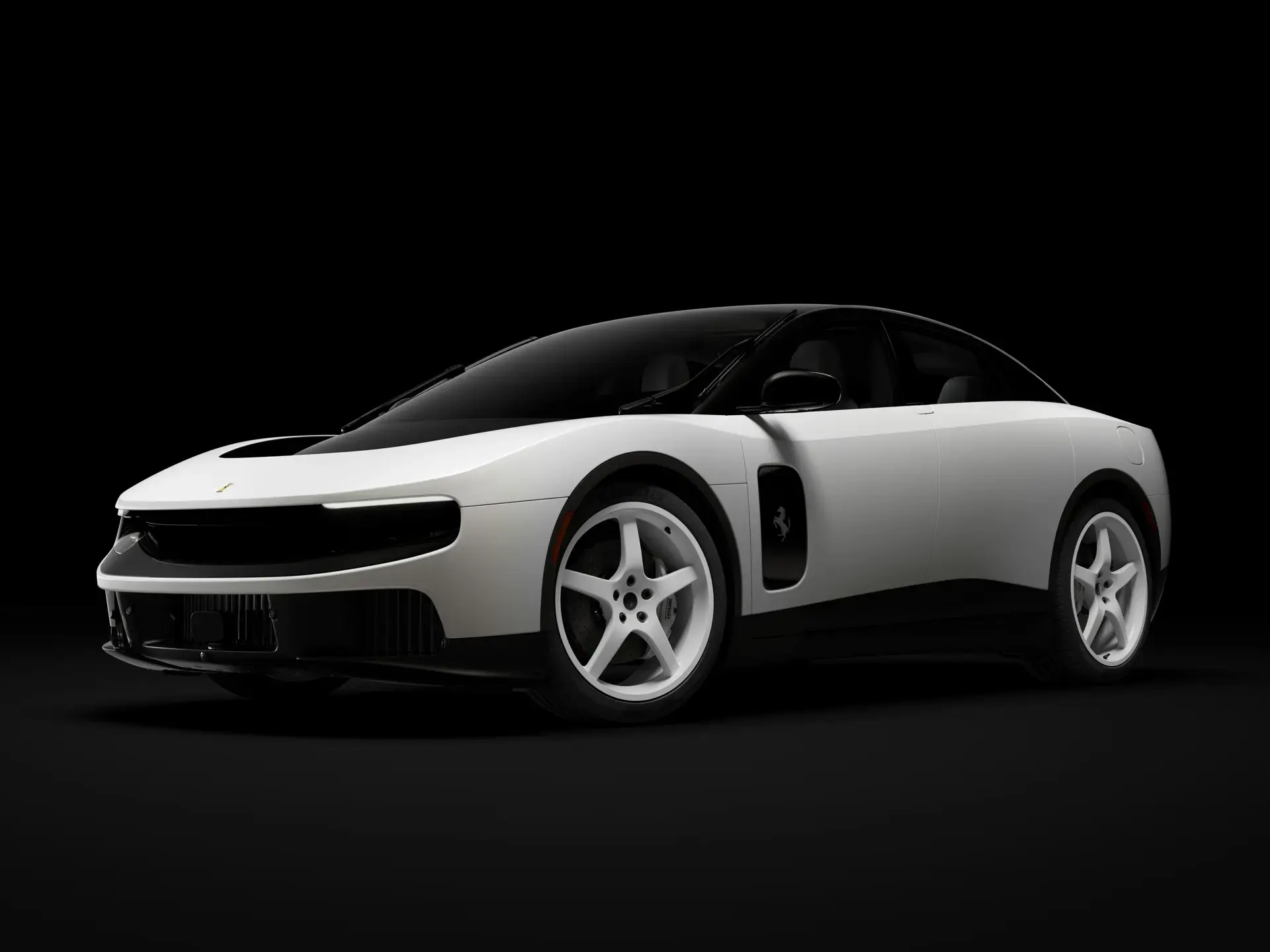
The Ferrari Luce with chassis number 0 sold for $40 million at the Monterey auction, far above its initial $1.1 million estimate, with the entire amount going toward educational initiatives supported by the Maranello-based automaker. The charitable purpose of the sale and the chance to own the very first example of Ferrari’s first electric car played a major role in driving the bidding to a level that cannot realistically be compared with a normal commercial transaction.
Ferrari Luce chassis 0 sells for an astonishing $40 million at Monterey charity auction
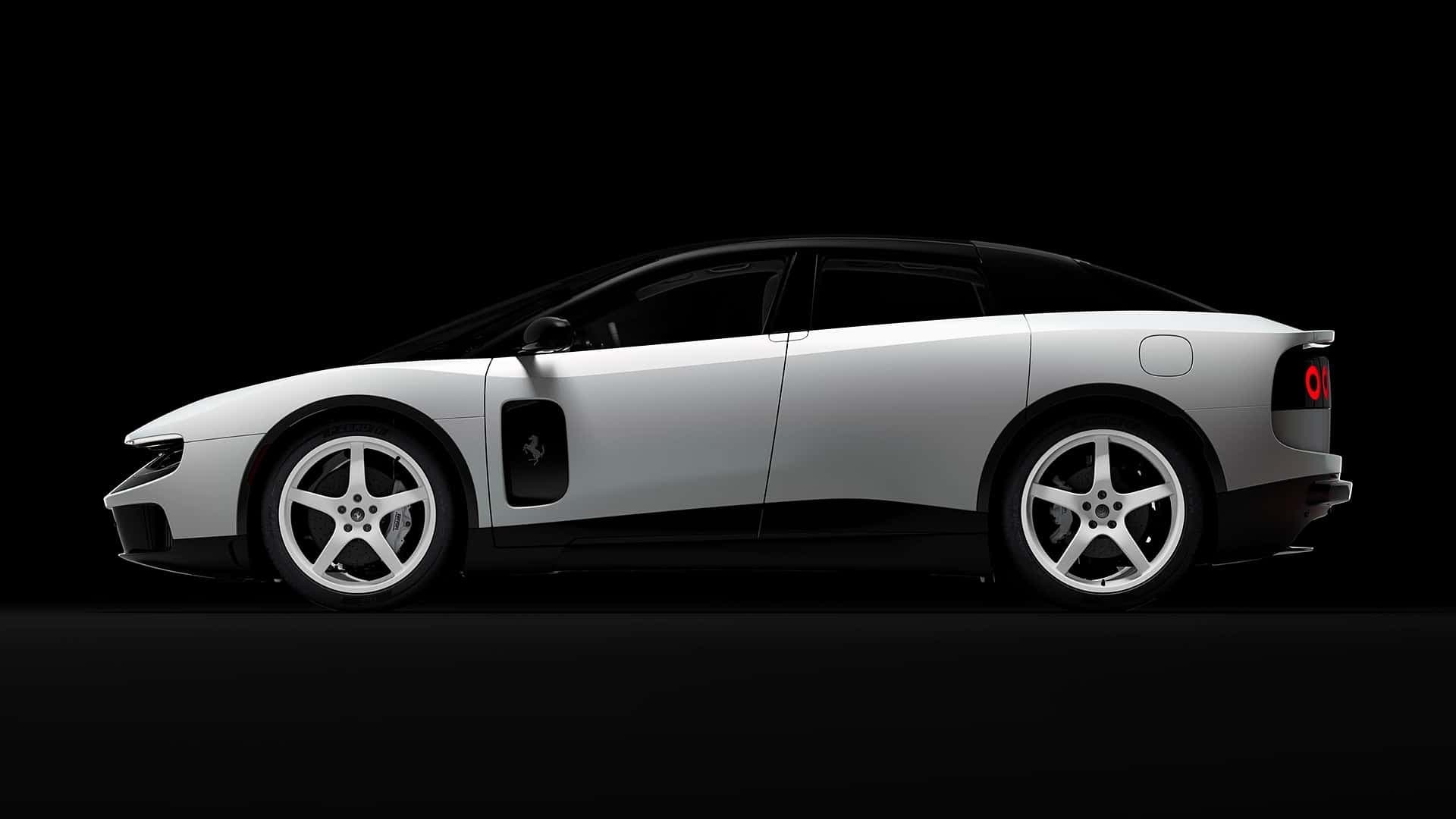
Built before every other production example, chassis 0 holds a unique place in Ferrari history and therefore carries particular appeal for collectors. Ferrari’s Tailor Made program selected its colors, materials and finishes, giving the car a one-off configuration as well. That level of personalization alone, however, does not explain the enormous gap between the original estimate and the final price. Charity auctions involving special vehicles often follow their own logic, since bidders place value both on the car itself and on the cause supported through the purchase.
More than 60 patents accompany the Luce and highlight the amount of engineering work Ferrari invested in developing a purpose-built electric vehicle rather than simply adapting existing components. Moving away from a combustion engine changes the vehicle’s architecture and also reshapes the relationship between driver and machine. Ferrari must now deliver the brand’s traditional performance and dynamic character without relying on many of the elements that defined its cars for decades.
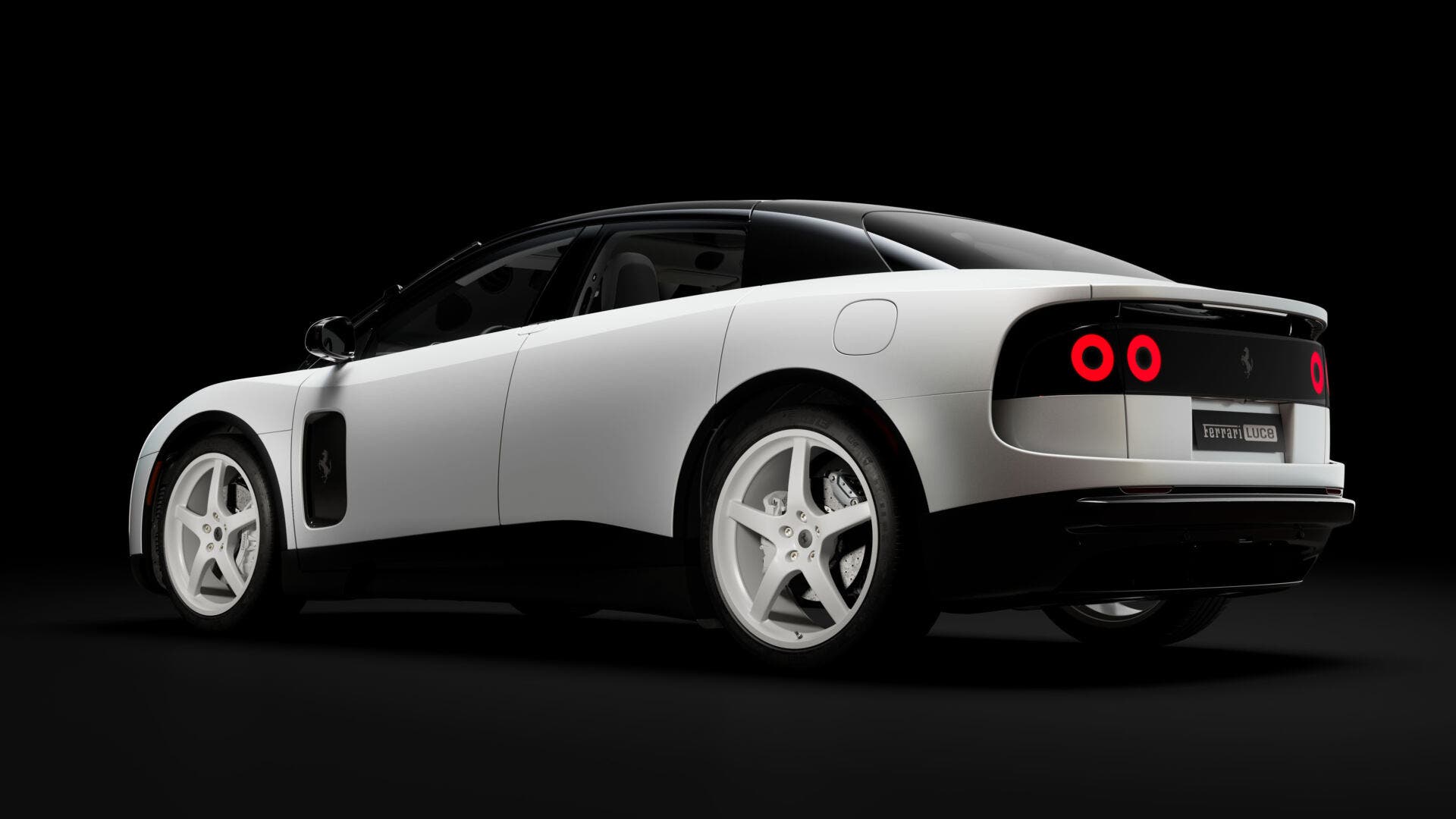
Maranello is therefore entering an entirely new segment with a project focused heavily on engineering research, even as part of its enthusiast base continues to regard the internal-combustion engine as inseparable from Ferrari’s identity.
Jony Ive and Marc Newson, working through the LoveFrom collective, contributed to an aesthetic approach influenced in part by the design of consumer electronics and everyday objects. Their work moves both the exterior and interior away from some of Ferrari’s traditional visual references.
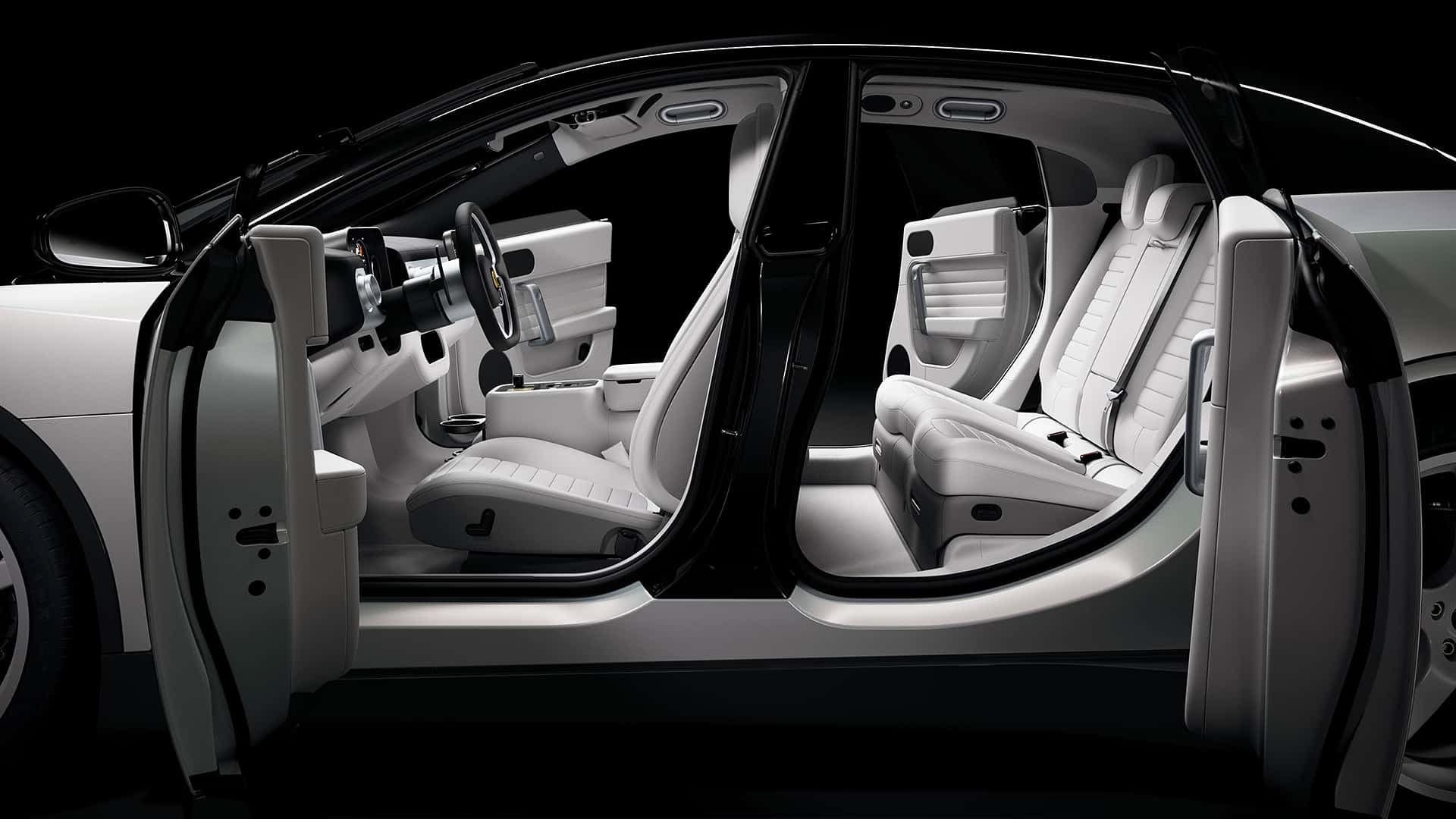
That direction has generated considerable criticism on social media, where some enthusiasts have described the design as cold and lacking emotion. Those reactions, however, represent only part of the audience and do not provide any indication of actual market demand.
The electric powertrain also removes the high-revving character, sound and vibrations of a V12, leaving throttle response, acceleration and handling precision to create much of the emotional connection behind the wheel. The Monterey result already confirms strong collector interest in the very first example, helped by both its unique status and the charitable nature of the sale.
The winning bidder was Herbert Wertheim, widely known in the United States as “Dr. Herbie.” The 87-year-old optometrist, inventor and investor built a substantial fortune over several decades after investing early in companies including Apple and Microsoft. His business career, however, began in the optical industry, where he developed numerous technologies and eventually accumulated more than 100 patents.