Stellantis has a production-capacity problem in Europe, and Antonio Filosa’s answer relies on industrial partnerships. The group, created through the merger of PSA and Fiat Chrysler, now uses its plants at around 60% in a market that has not returned to pre-Covid levels. The faSTLAne 2030 plan aims to raise that rate to 80% by reducing installed capacity by 800,000 units without closing factories, including through plant sharing with external partners.
Stellantis uses Chinese alliances to cut costs and speed up development
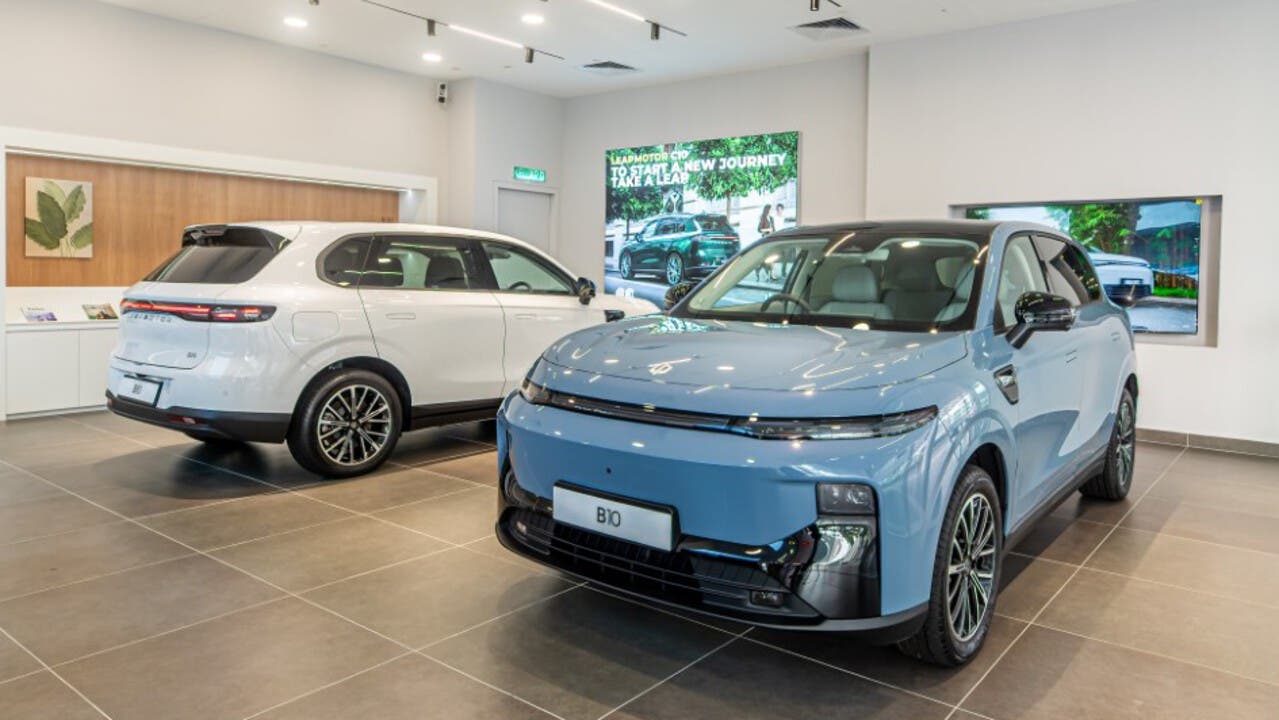
The relationship with Leapmotor remains the main pillar of this strategy. Stellantis controls 51% of Leapmotor International, the company that distributes the Chinese automaker’s cars outside China, and holds around 20% of the parent company. The international joint venture already reached around 11,000 EV sales per month between March and April, with a target of 180,000 BEVs next year. Leapmotor sold a total of 600,000 electric cars in 2025, becoming the world’s sixth-largest BEV manufacturer.
The collaboration goes beyond commercial distribution. Stellantis also wants to use Leapmotor to strengthen European industrial competitiveness, with shared production capacity in Zaragoza and Madrid and supplier-base synergies. The clearest example concerns Opel, which will launch an electric C-SUV developed with Leapmotor, designed in Germany, built in Europe and completed in less than two years. Stellantis wants to replicate that formula elsewhere within the group.
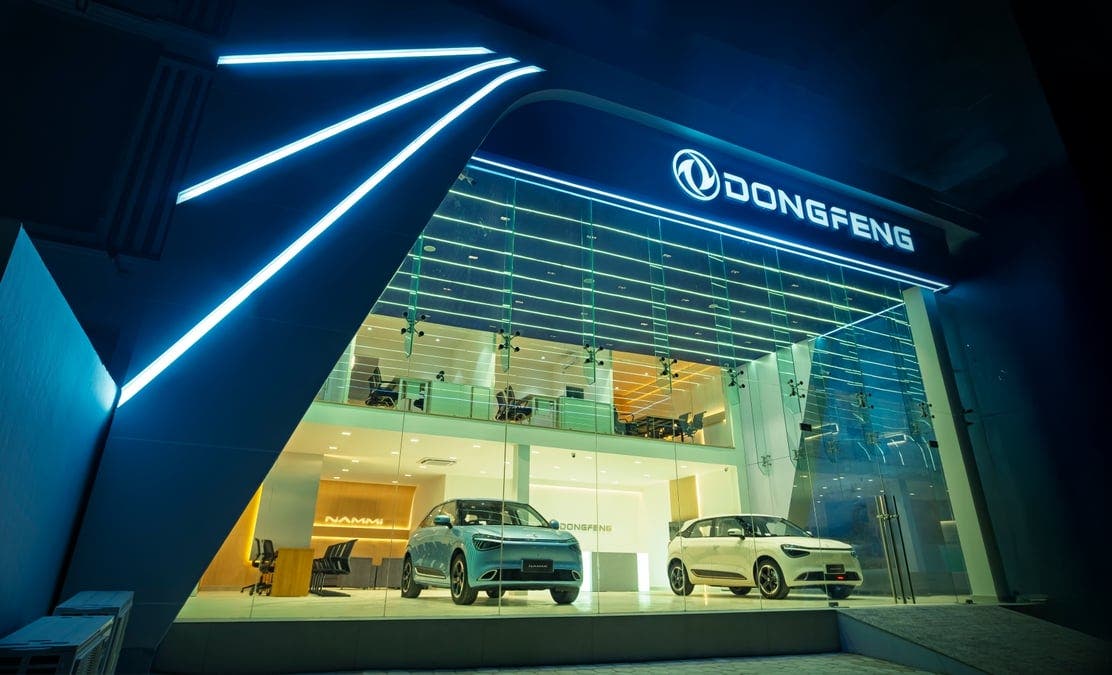
Dongfeng, PSA’s historic Chinese partner, also returns to a central role in the plan. The automaker will help develop two new Peugeot models and two Jeep models, with electric and plug-in hybrid powertrains, also intended for export. In Europe, the two companies plan to create a joint venture controlled 51% by Stellantis and focused on sales, distribution, production and engineering. One possible scenario involves assembling Voyah vehicles, part of the Dongfeng orbit, in France.
These alliances also aim to recover development speed. Stellantis recognizes that Chinese automakers now set new benchmarks for development timing, and the group wants to shorten its own cycle from around four years to 24 months. To do that, it will rely on artificial intelligence, virtual development and shared platforms such as the new STLA One, a modular architecture with LFP batteries, cell-to-body structure and 800-volt compatibility that should cut costs by around 20%.

In the United States, the group has signed a memorandum of understanding with Jaguar Land Rover to explore collaborations that would allow Stellantis to make better use of its American plants while helping JLR build locally and reduce tariff exposure.
Filosa’s strategy takes the logic of shared platforms to a more complex and international level, but it also creates tensions. Working with Chinese automakers gives Stellantis access to technology, lower costs and faster development cycles, but it also means sharing industrial and commercial space with brands that want to win the same European market.
Stellantis appears to have chosen to turn that competitive pressure into an industrial lever, betting that alliances can fill factories and close technology gaps without weakening its historic brands.