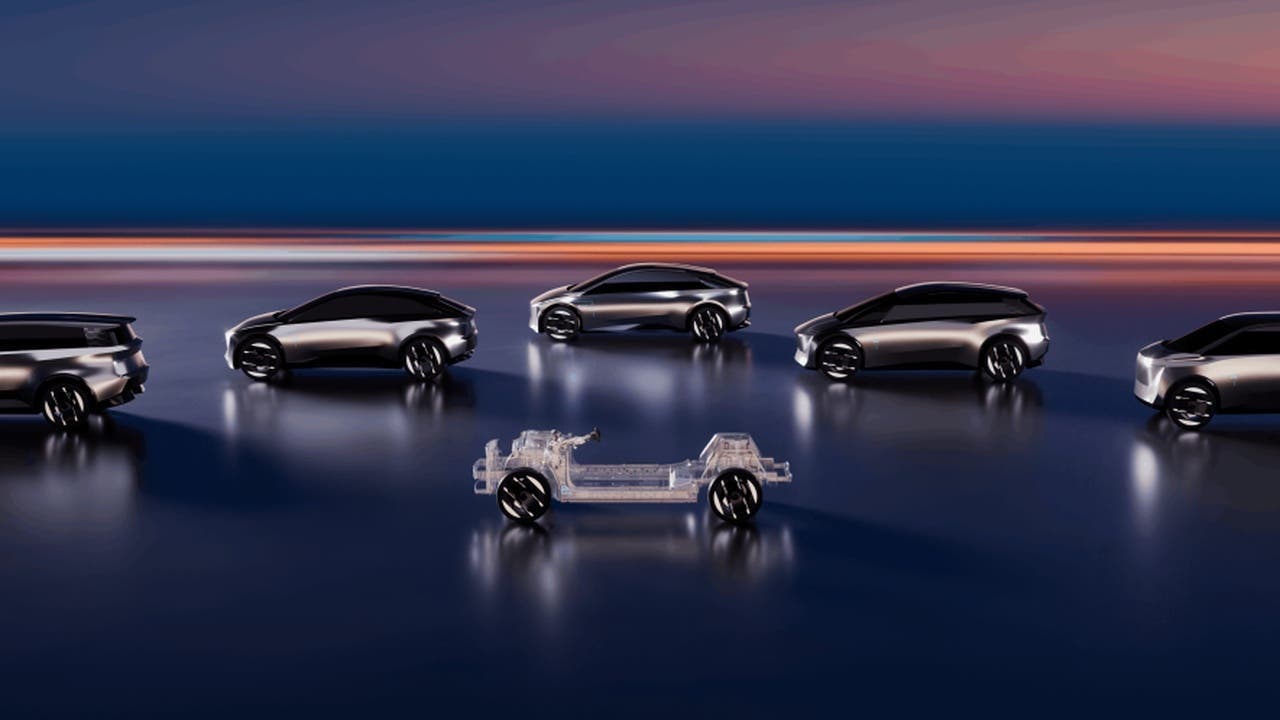
Stellantis aims to concentrate half of its production volumes on three main architectures by 2030, with component reuse reaching up to 70% across different models and brands. The most significant step in this direction will be the arrival of STLA One, the modular platform expected to debut in 2027. It will replace five technical bases currently in use and cover the B, C and D segments, including compact cars, midsize SUVs, sedans and upper-range models.
Stellantis bets on STLA One to reduce complexity and speed up development
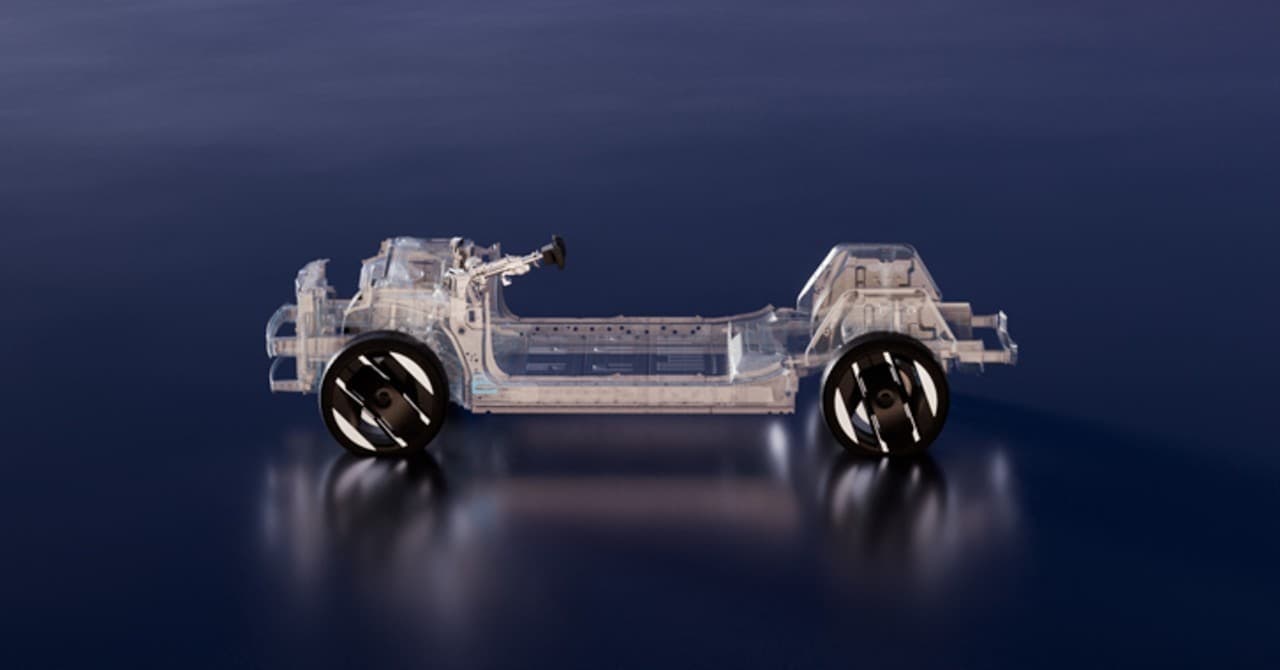
The industrial logic behind STLA One revolves around multi-energy flexibility. The platform supports electric, hybrid and other powertrain configurations without requiring separate architectures for each solution. According to Stellantis, this approach should improve cost efficiency by up to 20% through modular design and greater component standardization across the group’s different brands.
The expected figures show the role this platform will play in Stellantis’ industrial structure. At full scale, STLA One should support more than 30 models and exceed 2 million units produced by 2035, with expected benefits also in development times, supply-chain stability and overall production costs.
The technological side of the platform also carries major importance. STLA One will integrate systems such as STLA Brain, STLA SmartCockpit and steer-by-wire, paving the way for vehicles that can receive software updates and offer more advanced, customizable electronic management.

The platform will also support different LFP battery solutions, with cell-to-body integration and an 800-volt architecture. These features aim to improve energy efficiency, performance and charging speed on the electric models built on this base.
With STLA One, Stellantis wants to simplify an industrial structure that has become too fragmented and speed up future vehicle development. This comes at a time when the growing number of powertrain options and cost pressure require a level of production flexibility that current platforms struggle to provide.