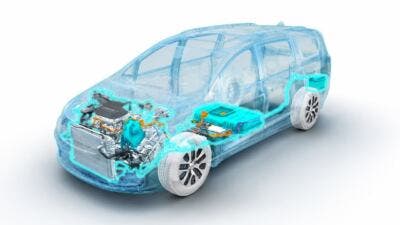
FCA US has outlined a new way to reduce hesitation in hybrid vehicles by using software that anticipates how the transmission will respond. CarBuzz highlighted the patent, which focuses on coordination between the different control units that manage the powertrain. The document describes a technical solution rather than a production system tied to a specific future model.
FCA US patent aims to make hybrid powertrains respond faster and more smoothly
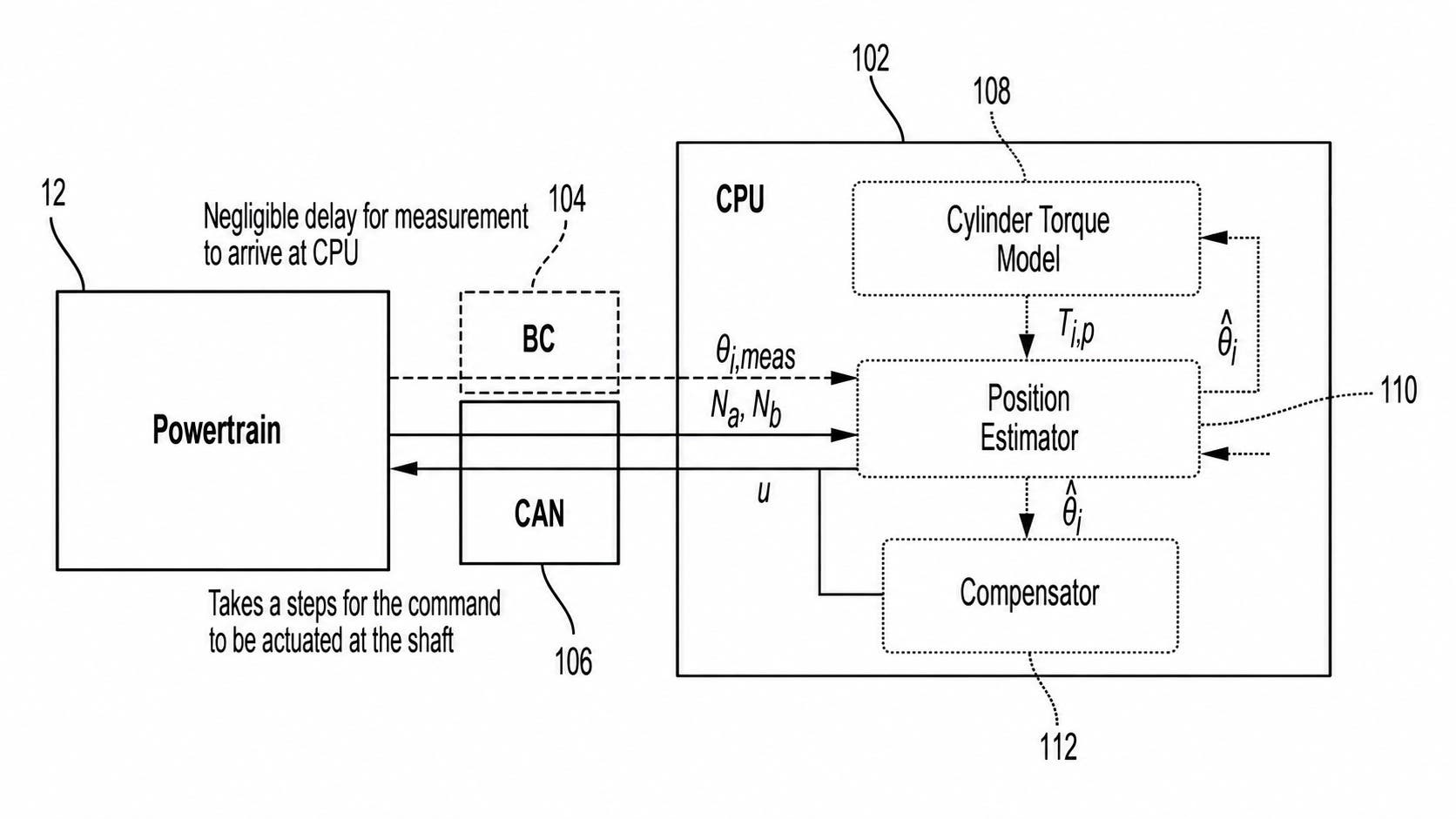
When the driver presses the accelerator, a hybrid system has to decide how much work to assign to the electric motor and how much to the combustion engine. The control units exchange data, process commands and monitor how the hardware reacts, but all of those steps take time. Even very short delays can affect how smoothly torque reaches the wheels.
FCA’s proposal targets that sequence directly. The system tries to compensate for the gap between the driver’s input and the powertrain’s response by estimating how the transmission will behave next. That allows the software to act on what is about to happen instead of relying only on the most recent measurement.
To build that estimate, the system uses a Kalman filter, a mathematical method that combines a model of the powertrain with data from onboard sensors. The model predicts the next state, while fresh measurements continuously refine that prediction. This approach helps the software track what the powertrain is doing even when sensor signals contain small errors or arrive with a slight delay.

The main goal involves improving throttle response and smoothness. Better synchronization could make changes in electric and combustion assistance less noticeable and reduce sudden variations in delivered torque. FCA also aims to lower mechanical stress by making those transitions more controlled.
CarBuzz says the idea appears especially relevant to full hybrids and plug-in hybrids, particularly systems that do not use a dedicated clutch to disconnect the combustion engine. Possible use with continuously variable transmissions remains only one interpretation of the patent and does not indicate that Stellantis plans to introduce a new CVT.
The patent does not include enough comparative data to show how much improvement the system could deliver over current hybrid control strategies. Any real advantage would need to come from vehicle testing, where engineers could measure changes in acceleration response, passing maneuvers and transitions between different operating modes.