Stellantis is expanding its circular economy business in Brazil by turning end-of-life vehicles into a new source of traceable used parts. Its Circular Autopeças operation will showcase the strategy at ReciclaAuto 2026, held August 14 and 15 at the Novotel São Paulo Center Norte.
Stellantis expands circular economy business in Brazil with used parts and e-commerce

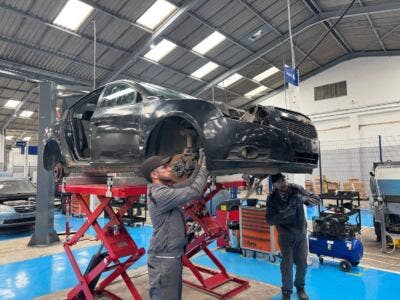
The project revolves around Stellantis’ vehicle dismantling center in Osasco, São Paulo. Workers recover usable components from vehicles that have reached the end of their operational lives, inspect and catalog them, then return selected parts to the market through channels that comply with Brazilian regulations. That process gives buyers a way to verify where the components came from while keeping usable materials in circulation longer.
Visitors at ReciclaAuto can purchase some of those reused parts directly from the Circular Autopeças stand, but the company is also using the event to launch a major digital expansion.
Circular Autopeças has introduced its own e-commerce platform, adding another sales channel alongside its existing presence on Mercado Livre, Peça Direta and Shopee. The dedicated online store gives Stellantis more direct control over inventory, availability and customer relationships while making recovered components easier to find throughout Brazil.
The company is also launching a new business platform aimed at commercial representatives who want to become Circular Autopeças distributors. Instead of concentrating sales around the Osasco operation, Stellantis wants to build a broader network that can bring traceable used parts to customers in regions where direct distribution remains less practical.
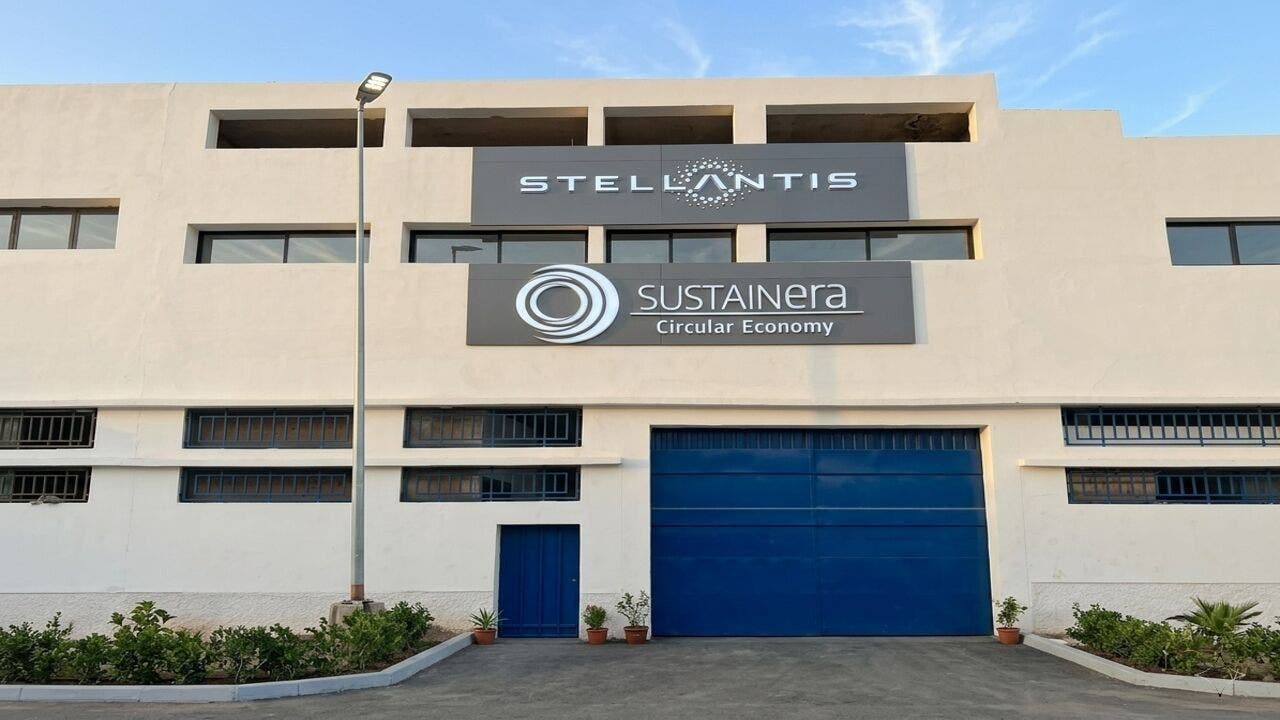
The strategy goes beyond reducing waste. Reusing a working component extends the useful life of the materials and energy already invested in manufacturing it. It can also provide drivers and repair shops with a more affordable alternative to buying a new replacement part.
Traceability plays an equally important role. The Brazilian market includes a significant trade in used automotive components, and a documented origin can help distinguish legally recovered parts from products with uncertain provenance.
Stellantis will discuss the strategy in greater detail on August 15, when Martin Siroit and Robson Chaves present a session focused on the next cycle of mobility. The Osasco dismantling center will serve as the industrial example behind the company’s four circular-economy pillars: remanufacturing, repair, reuse and recycling.
Circular Autopeças shows how Stellantis wants to turn vehicle end-of-life management into a structured commercial activity where lower-cost parts, resource recovery and new digital sales channels support the same business model. The company now aims to expand that model through e-commerce and a wider distribution network across Brazil.