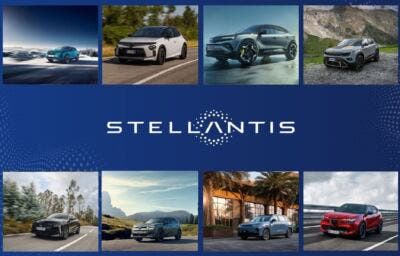
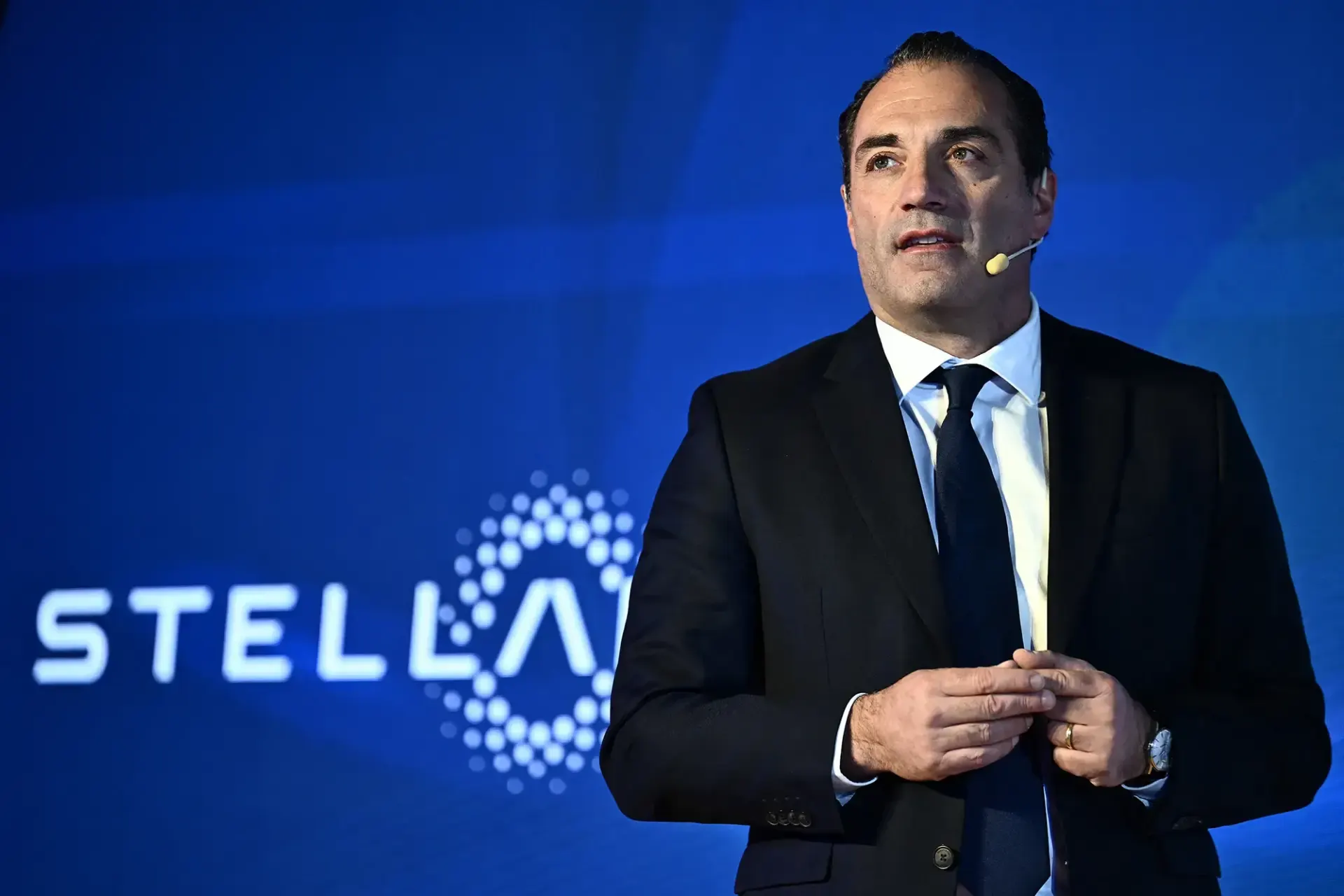
“China” has officially become the magic word in Stellantis’ executive suite, spoken by CEO Antonio Filosa like a desperate incantation to revive Italy’s suffocating automotive heartland. Once viewed as the ultimate existential threat, Beijing’s carmakers are suddenly being welcomed as holy saviors.
Filosa’s grand strategy is delightfully ironic. After years of former CEO Carlos Tavares’ broken promises and razor-thin cost-cutting that left historic brands gasping for air, Stellantis is now begging former rivals to hand over their EV tech and spare change.
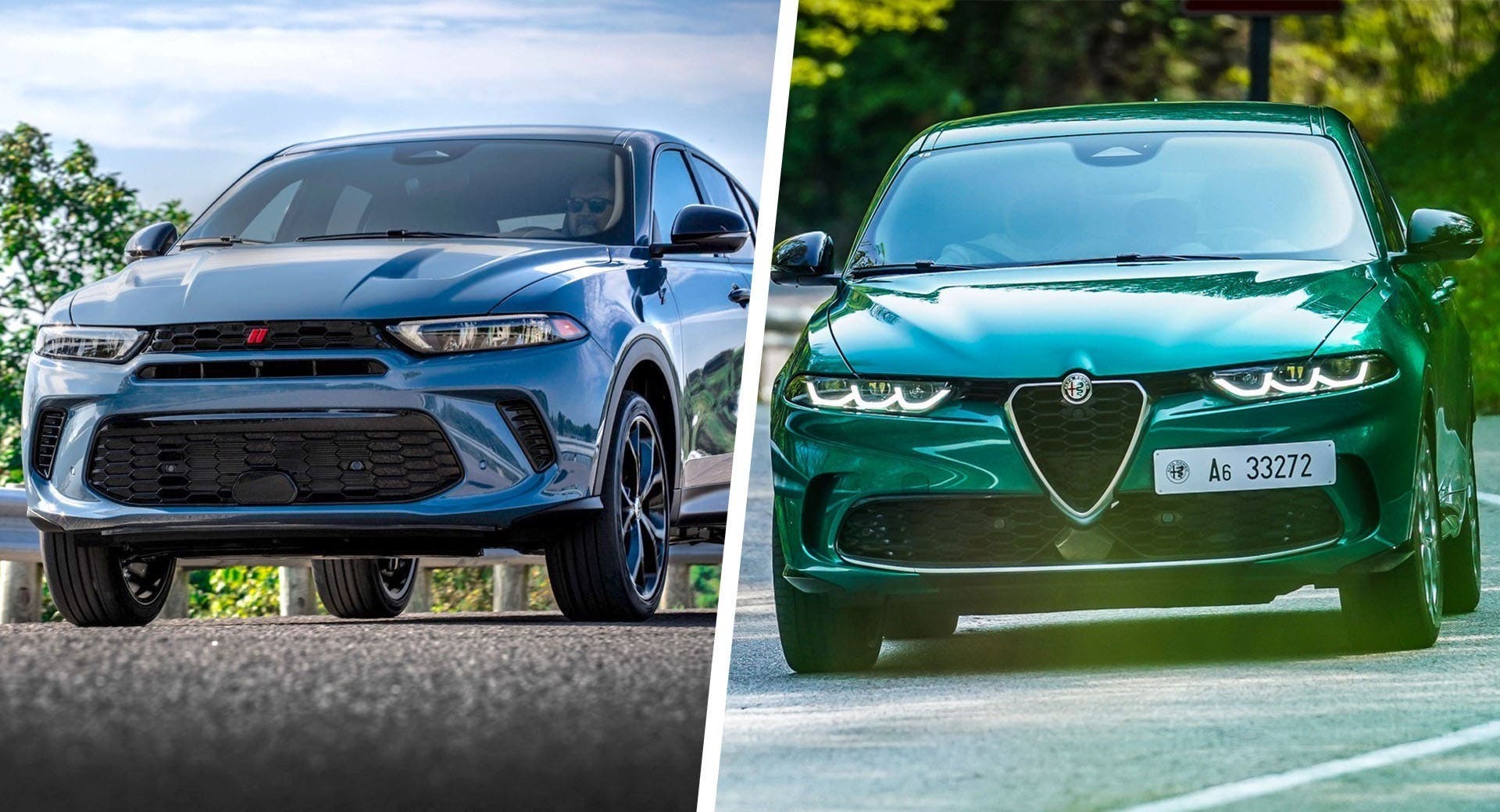
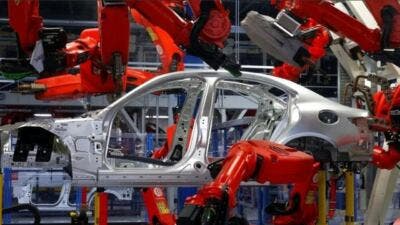
The primary patient in this high-stakes emergency room is Maserati alongside a deeply struggling Alfa Romeo. Both brands share the ghost-town assembly lines of the Cassino plant, where production cratered below 20,000 units in 2025 and plummeted another 36.2% in the first half of 2026.
While the rest of Stellantis’ Italian facilities enjoyed a modest 13.7% bump, Cassino remains a tragic monument to empty corporate promises. Enter rumors of prospective Chinese partners like Huawei and JAC, brought in to co-develop electric powertrains that Stellantis apparently cannot build affordably on its own.
Filosa insists he isn’t selling off Italy’s crown jewels or closing factories. Instead, he promises shiny new Alfa and Maserati models by late 2027, followed by affordable, compact “made-in-Europe” e-cars out of Pomigliano in 2028. Naturally, these bargain-bin EVs will also rely heavily on Chinese DNA, mirrored after Stellantis’ 51-percent-owned joint venture model with Leapmotor in Spain and Dongfeng in France.
Unions like Fim Cisl and Fiom Cgil remain understandably skeptical. Mirafiori, which once churned out a staggering one million cars a year in its 1980s glory days, is now desperately crawling toward barely 60,000 hybrid and electric Fiat 500s in 2026. Meanwhile, plans for the Termoli gigafactory have vanished into thin air.
Stellantis claims its 2030 roadmap includes 60 new models backed by $60 billion in investment, yet Italian plants are left fighting for breadcrumbs while capital flows to North America and Brazil. Ultimately, years of draconian penny-pinching left Stellantis with no choice but to hand China the keys to Italian automotive history.