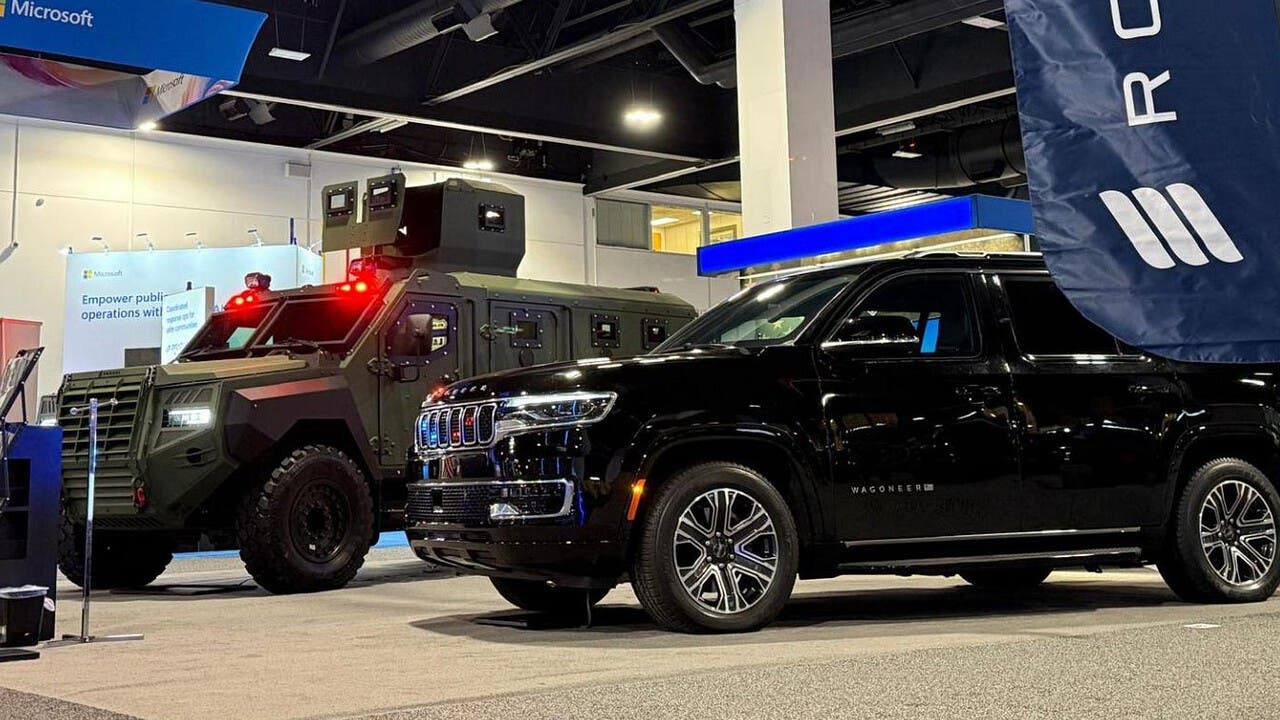
The prospect of producing just two or three armored vehicles per day at Brampton is raising questions about whether Roshel could replace the level of activity Stellantis once generated there, when the plant turned out hundreds of vehicles each day. The two-to-three-vehicle figure comes from media reports rather than a final industrial plan, but it helps explain why the union wants more details before treating the potential sale as a solution for workers.
Stellantis’ Brampton plant faces fresh doubts as Roshel output could remain extremely low
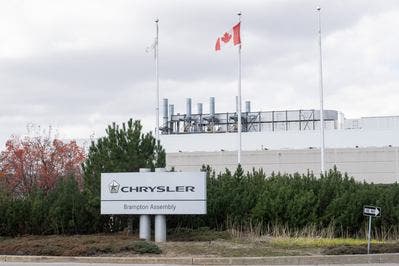
The Ontario plant has remained idle since the end of 2023, after years of building the Dodge Charger, Challenger and Chrysler 300. Stellantis originally planned to retool Brampton for the new Jeep Compass, but later moved that program to its Belvidere plant in the United States. The change left more than 2,000 Brampton workers without a clear return date, while Stellantis says it has not found an economically viable automotive program that could restart production there.
On September 11, Stellantis and Roshel signed a memorandum of understanding that opened the door to a possible sale of the factory. The Canadian armored-vehicle manufacturer envisions defense-related production at the site and has discussed creating more than 2,000 jobs, with former Stellantis employees receiving priority consideration. However, major questions remain around contracts, timing, customer orders and the types of jobs a converted plant would actually require.
Even if the estimate of two or three vehicles per day proves accurate, a direct comparison with the plant’s former automotive output would still tell only part of the story. An armored vehicle requires very different manufacturing processes and production times than a mass-produced passenger car.
Evaluating Roshel’s proposal will therefore require more information about the work planned for Brampton, how much of each vehicle the plant would handle and what role local suppliers might play. The number of completed vehicles alone cannot determine how many workers the operation could support.
Unifor argues that selling the plant should not replace Stellantis’ previous commitment to maintain automotive assembly in Brampton. In a letter to Industry Minister Mélanie Joly, the union also asked for details about the government’s involvement in the negotiations and the commitments Stellantis made in the past.
Collective bargaining has meanwhile stalled. The preliminary agreement with Roshel creates a possible path forward, but workers still want firm answers about their jobs and the future of the local supplier network.