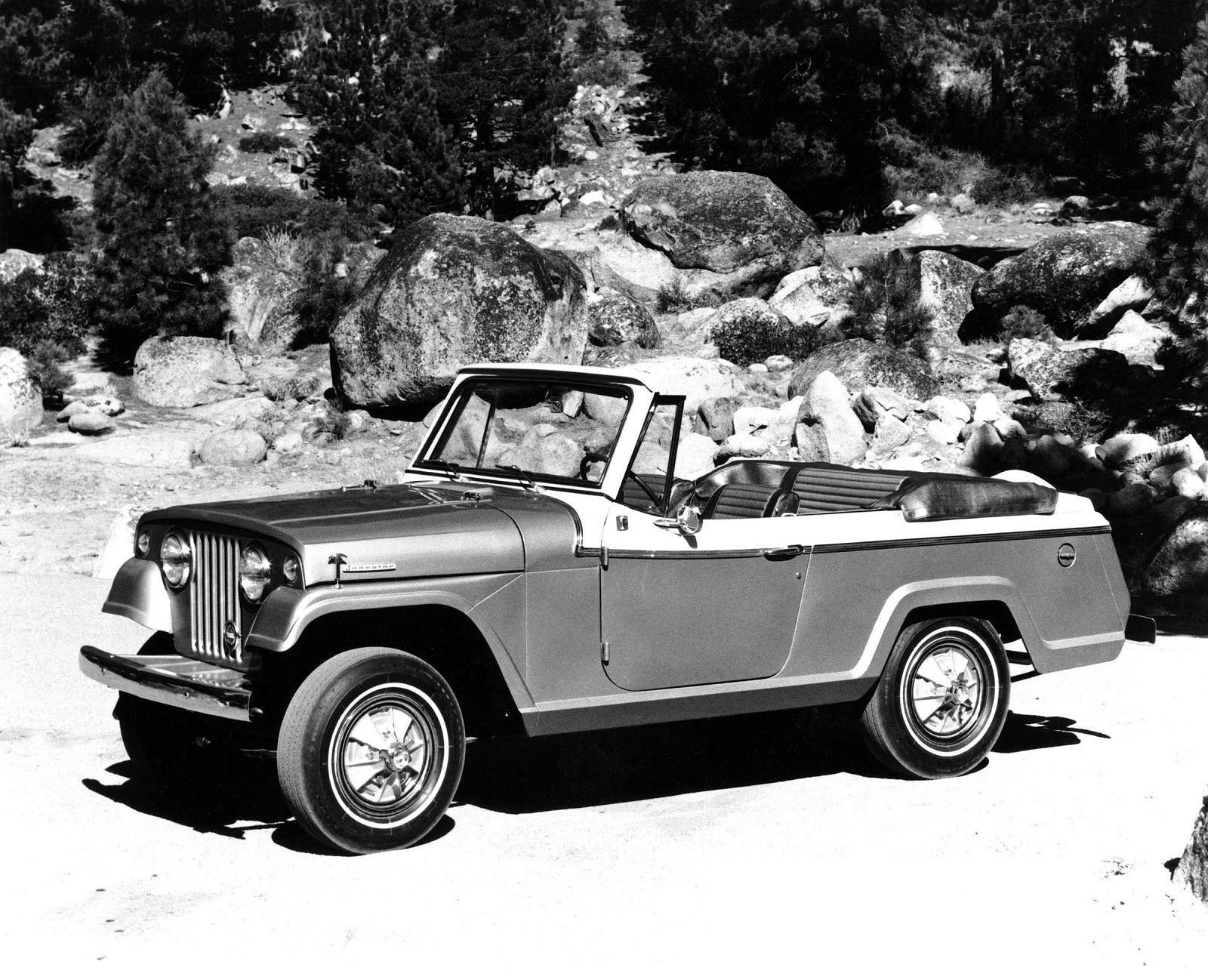
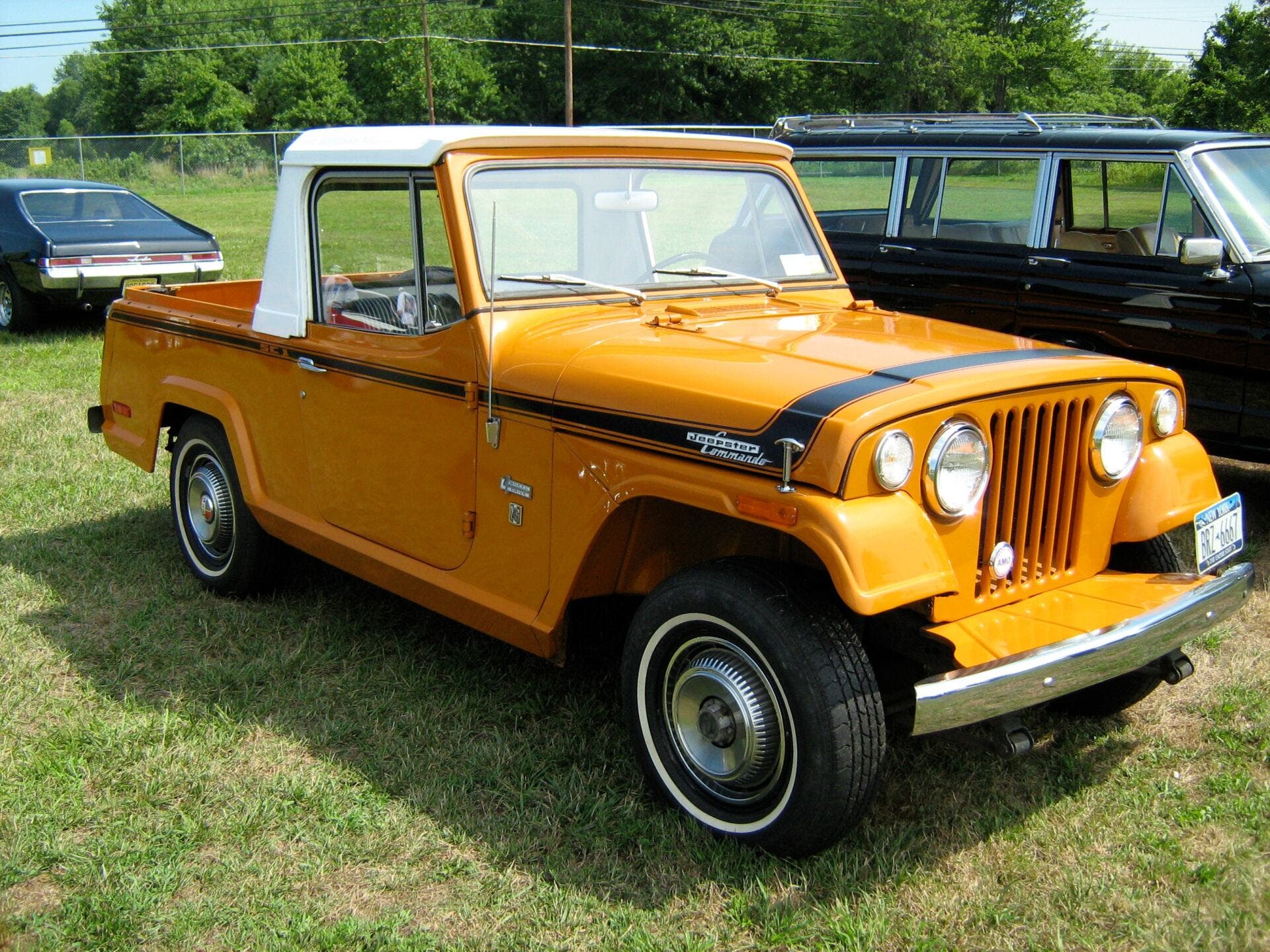
The Jeepster Commando debuted in 1966 with four body styles built on the same basic platform: a station wagon, convertible, roadster and pickup. That variety allowed Jeep to target customers who needed a work vehicle as well as buyers looking for something more suited to leisure and everyday use. Sixty years after its introduction, the Commando shows how early Jeep had already started expanding the role of its off-road vehicles without giving up the capabilities needed for difficult terrain.
Jeepster Commando turns 60: the versatile 4×4 that was ahead of its time
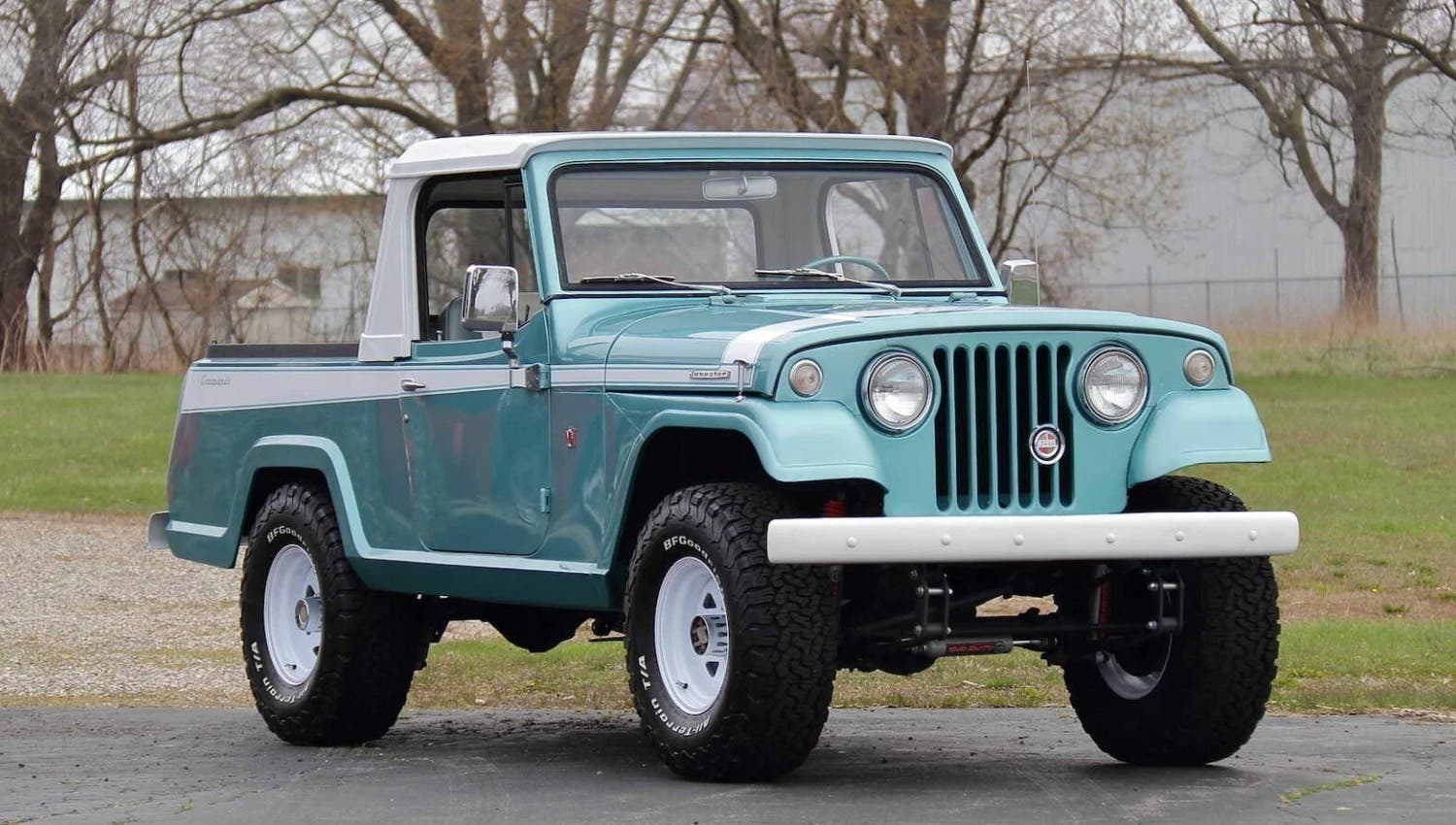
Jeep models of that era focused heavily on simplicity and rugged construction, while the Commando introduced greater attention to comfort and daily usability. Brooks Stevens designed the body around several different needs, giving each version a clear purpose. The station wagon offered more protection and passenger space, while the open models focused more on recreation and the pickup retained a practical, work-oriented character.
The engine lineup started with a four-cylinder, but the 160-hp Dauntless V6 delivered a major increase in performance and nearly doubled the output of the entry-level version. An available automatic transmission also made the Commando easier to drive than Jeep’s more basic models, helping it appeal to customers who did not need a vehicle dedicated exclusively to work or off-road use.
Kaiser Jeep built the model from 1966 through 1969, before AMC took control of production from 1970 to 1973. The change in ownership shaped the second half of the Commando’s US career without interrupting the concept Kaiser had introduced. Its wide range of body styles continued to distinguish it from off-road vehicles designed around a single purpose.
The Commando also developed a European chapter in Spain during the late 1960s, when VIASA started production at its Zaragoza plant under the Jeep Comando name. Spanish-built versions also used Perkins and Barreiros diesel engines, which emphasized durability and long-term reliability in applications where those qualities mattered more than the performance offered by the American V6.
The Jeepster Commando’s ability to move easily between work, leisure and everyday transportation now places it among the vehicles that anticipated some of the ideas behind the modern SUV. Jeep kept its off-road foundation intact while adding a more comfortable cabin, an automatic transmission and multiple body styles aimed at very different customers. The company would develop that formula much further over the following decades.