In a candid interview with Autocar, Gaetano Thorel, the head of Fiat and Abarth in Europe, dropped a bombshell statistic: in a single year, the Italian brand leapfrogged from 13th to 5th place in the European B2C market. That is a gargantuan jump in the retail sector, where individual buyers spend their own hard-earned money rather than driving whatever soul-crushing silver crossover their HR department forced upon them.
The secret behind this sudden surge isn’t a fleet of million-dollar electric hypercars, but rather a stubborn refusal to abandon the cheap, cheerful compact vehicles Fiat has built since the invention of the wheel.
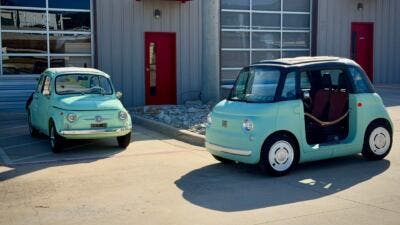
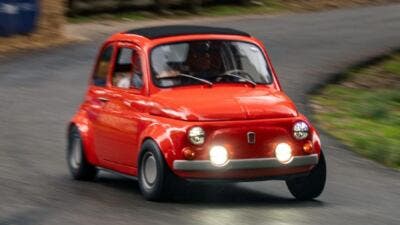
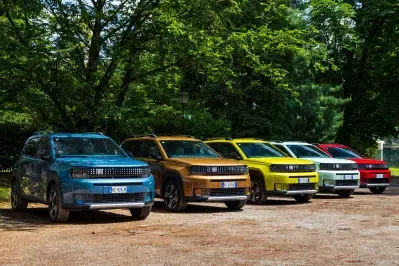
While competitors spent years bloating their lineups with oversized, overpriced road yachts, Fiat doubled down on accessible urban mobility. The strategy centers around a tight squad of recognizable city cars: the classic 500, the indestructible Pandina, the versatile 600, and the newly minted star of the show, the Grande Panda. This practical lineup helped Fiat establish itself in early 2026 as one of the fastest-growing brands under the vast Stellantis umbrella.
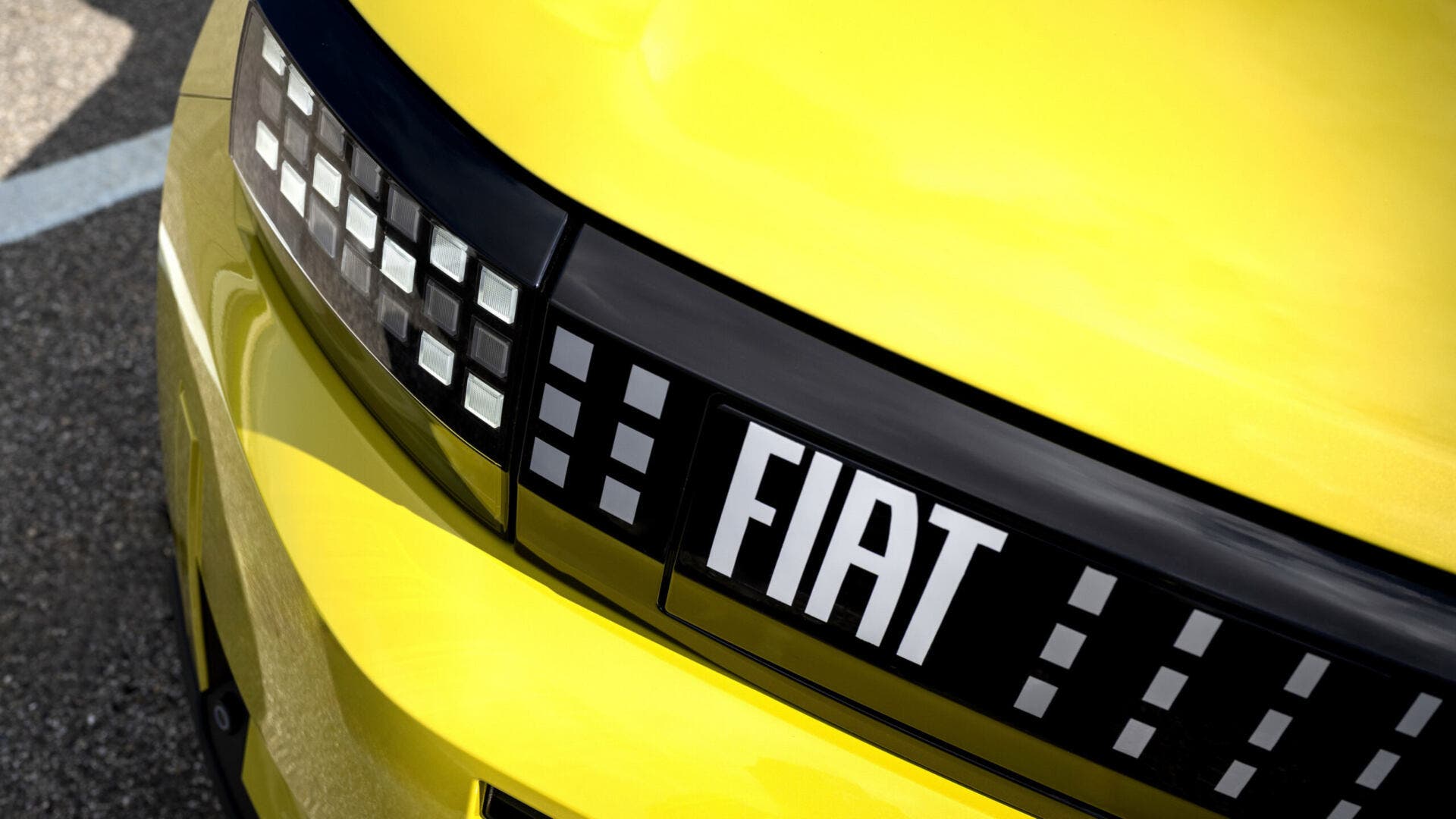
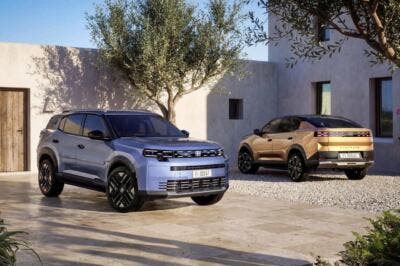
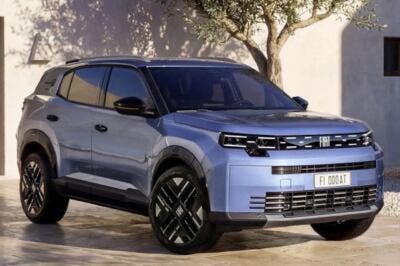
Leading the charge is the Fiat Grande Panda, a model so surprisingly popular across continental Europe that it unintentionally triggered an international logistical hiccup. Demand in left-hand drive European markets was so overwhelming that Fiat had to postpone rolling out right-hand drive versions for the United Kingdom. British buyers had to patiently wait while continentals snapped up inventory, but with right-hand drive production now fully online, Fiat is eyeing an even larger slice of the UK retail pie.
It turns out that building a clever, multi-powertrain hatchback produced across flexible international manufacturing hubs is actually a solid business strategy. The industry took notice early on, with the Grande Panda snagging the coveted “Best Small Car” trophy at the Autocar Awards 2025.
By giving private buyers exactly what they want, affordable, stylish transportation without a ridiculous price tag, Fiat has proven that small cars aren’t dead; automakers were just building the wrong ones.