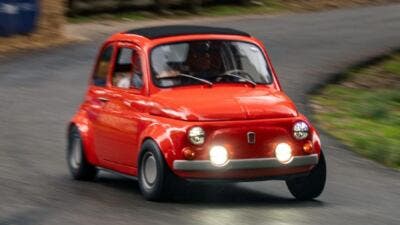
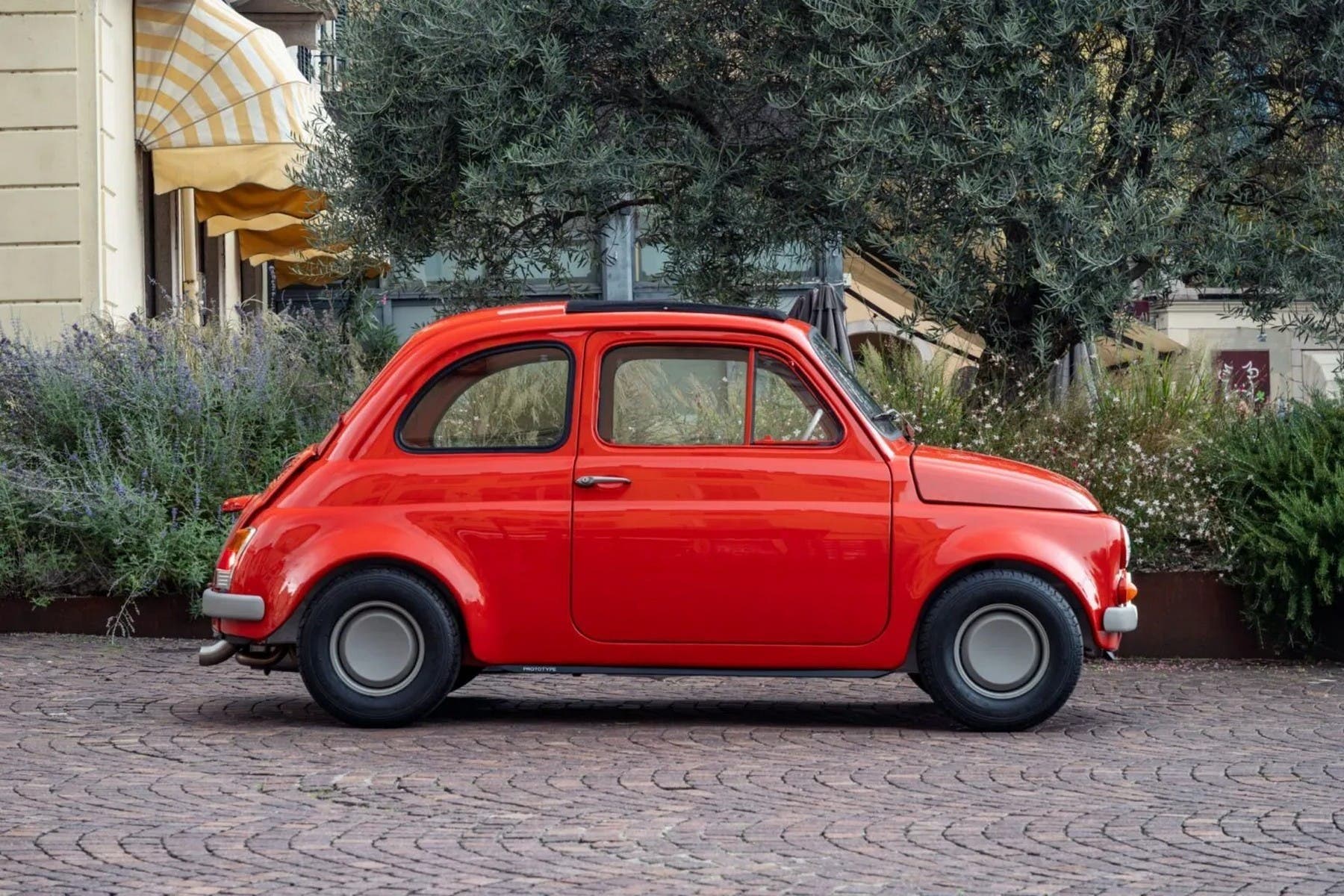
The Fiat 500 Scattante aims to make the classic city car more engaging to drive without erasing the proportions that made the original so recognizable. British company La Cinquecento developed the project and asked Milan-based design studio BorromeodeSilva to give the car a sportier appearance. The transformation also reaches the chassis and lays the groundwork for a future limited production run.
Fiat 500 Scattante turns the Italian icon into a sharper British restomod
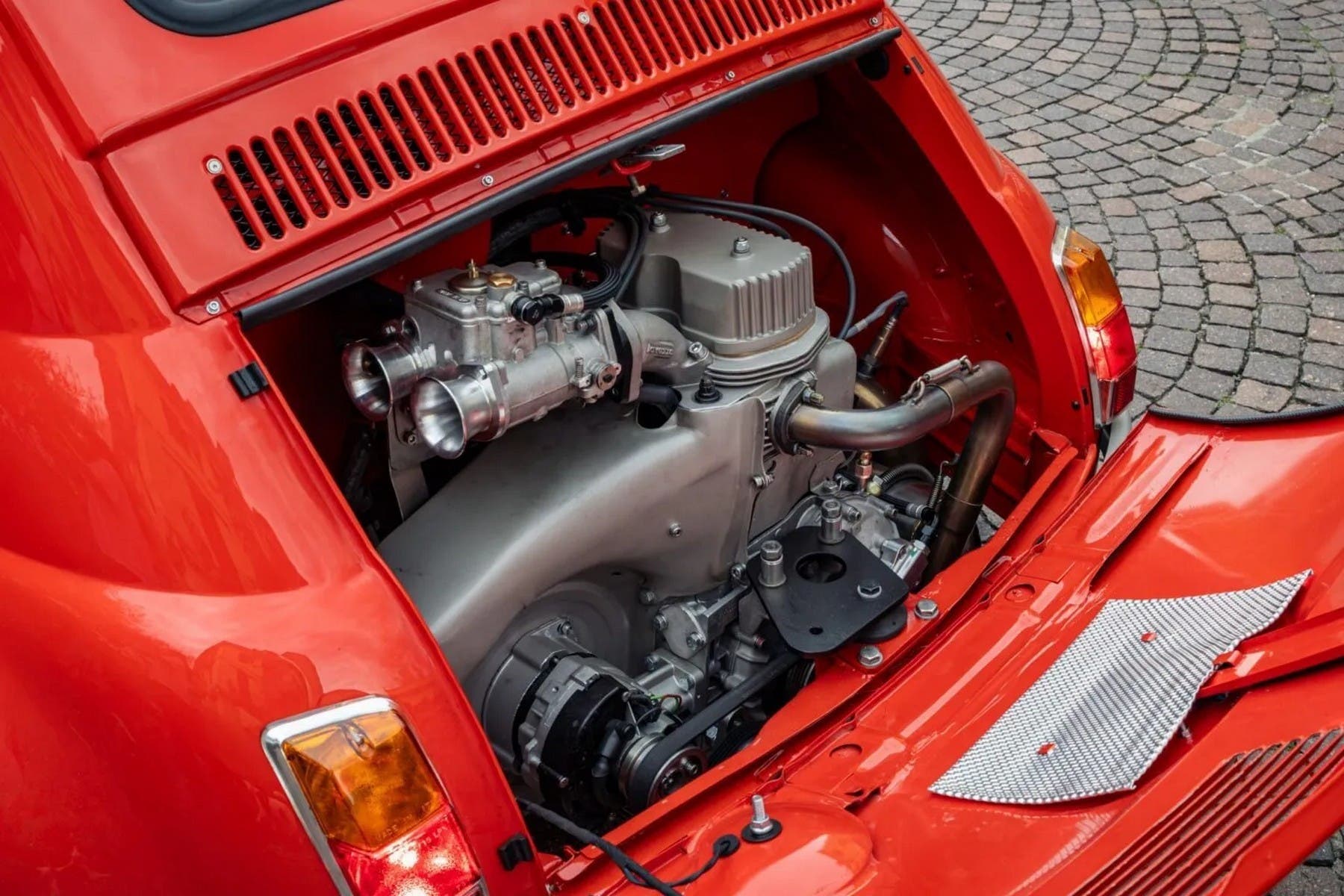
Instead of the original 500 engine, the Scattante uses a twin-cylinder unit derived from the Fiat 126, with further tuning and twin-spark ignition. La Cinquecento has not released a final power figure, but the company says the engine responds more sharply to throttle inputs, in line with the goal of making the car more enjoyable to drive.
The work also changes the way the car behaves on the road. Engineers revised the suspension and steering, while upgraded brakes support the extra performance. The project also includes changes to the electrical system and cooling, moving well beyond the kind of work a faithful restoration would normally involve.
The project started with a 1970s Fiat 500 owned by Max Kindersley, founder of La Cinquecento. After spending around 25 years in a barn, the car returned to the road as the first Scattante prototype and made its Italian debut at Tutto Bene 2026.
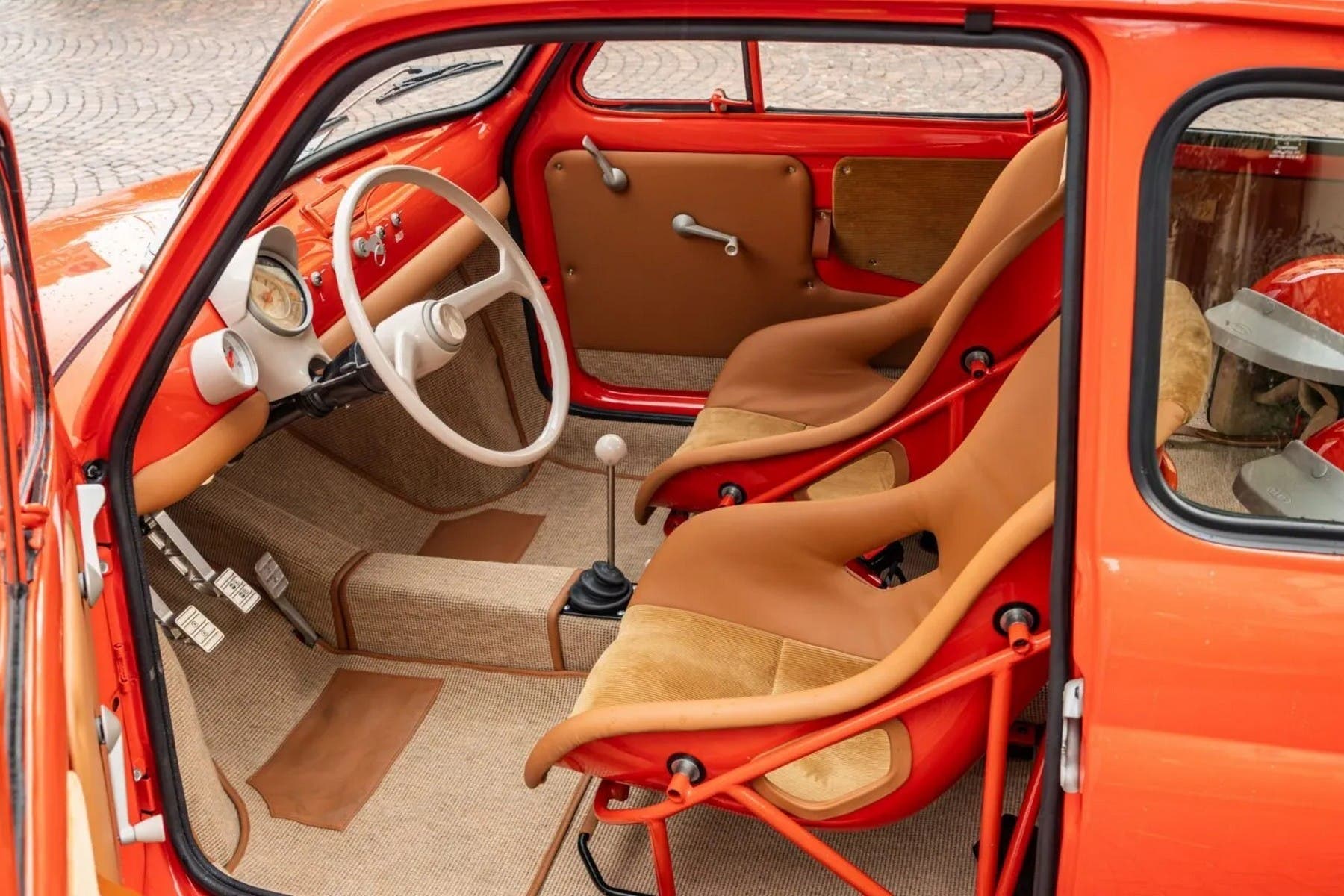
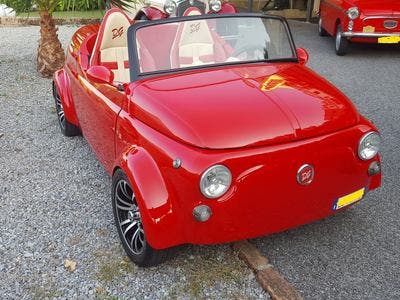
BorromeodeSilva focused heavily on giving the tiny Fiat a wider stance. Broader fenders connect with more pronounced side skirts, while the original 500 proportions and compact profile remain easy to recognize. Additional lights at the front introduce a subtle rally influence without completely redesigning the nose.
The first example combines red paint with a tan leather interior. Outside, matte-finished disc-style wheels complete a look that deliberately moves away from the appearance of a factory-fresh classic 500.
La Cinquecento plans a small production run, although it has not publicly confirmed the total number of cars or the official price. Current rumors point to a figure of around €170,000, or approximately $196,200 at the current exchange rate. The company has yet to release the complete technical specification for customer cars.