

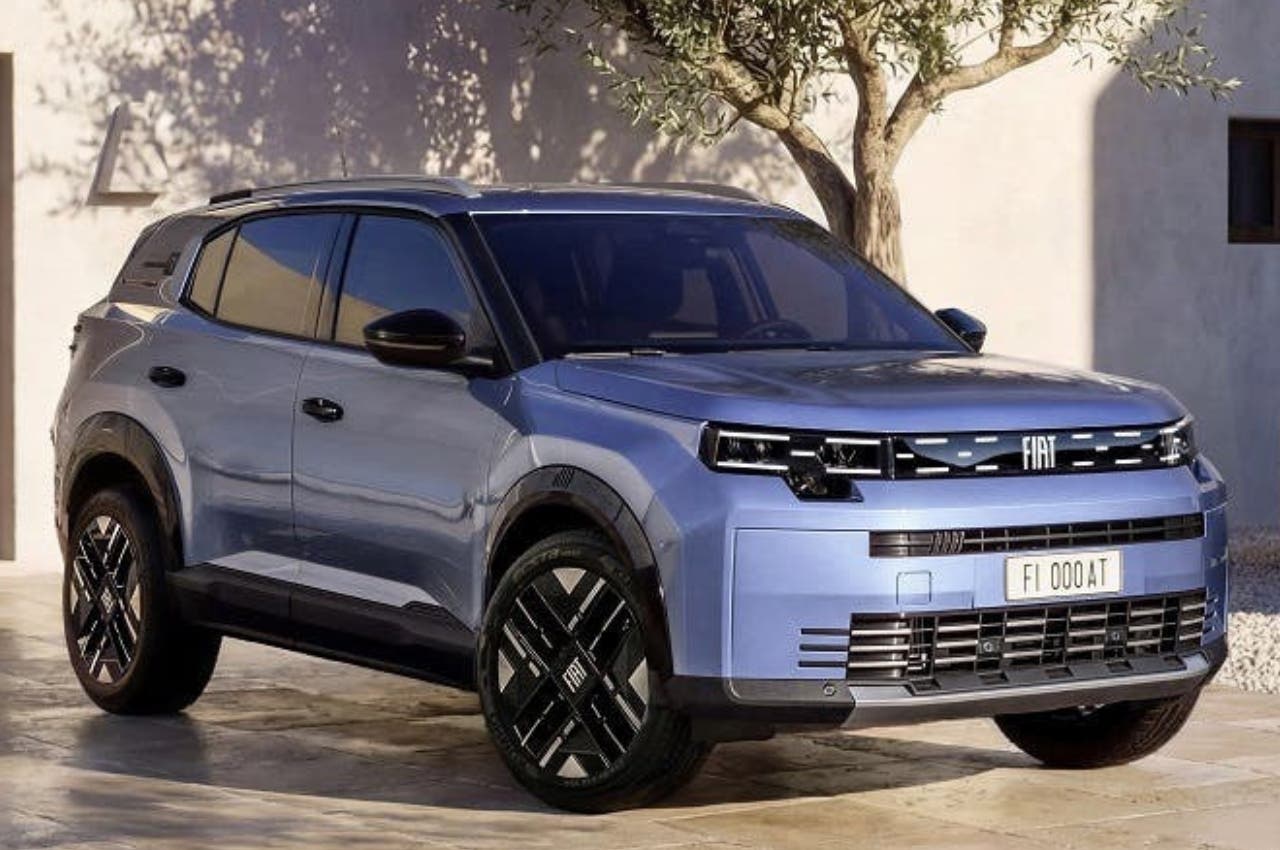
Fiat needs to make better use of the popularity of its most famous cars, starting with the 500 and Panda. That is one of the first indications from Arnaud Belloni, who took charge of Fiat, Abarth and Lancia on September 1 while also overseeing marketing for Stellantis’ 14 brands in Europe. Speaking with Gilles Wybo of Stratégies, Belloni explained how he wants to work with names that already hold a strong place in the minds of European drivers.
Stellantis wants Fiat to make better use of the 500, Panda and other historic names
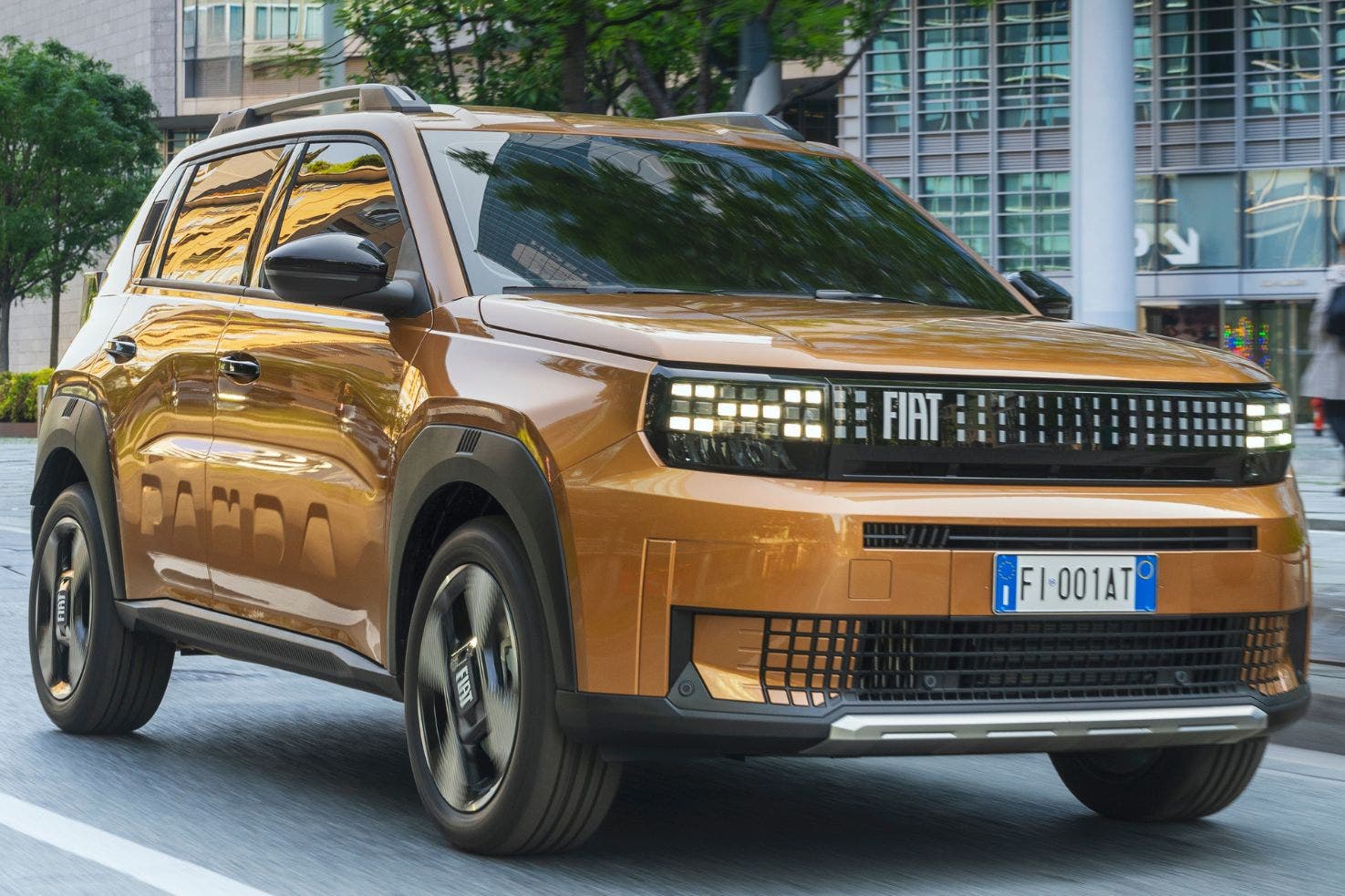
The interview also mentions the Punto, alongside the Panda and 500, as one of the models that helped make Fiat so well known. Belloni sees that history as a valuable asset, but he did not announce a new Punto generation. His point focuses on the recognition these cars built over the years and on how Stellantis could use that awareness more effectively.
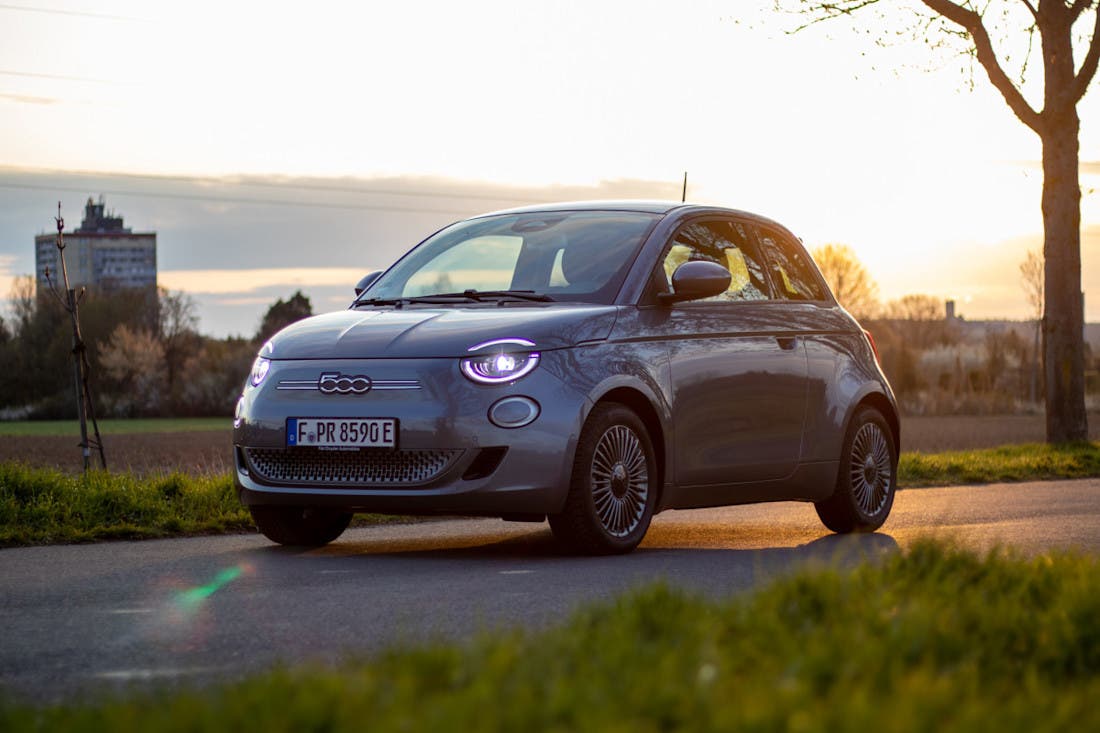
The Fiat 500 and Panda require different approaches. Belloni sees the 500 as an icon, while the Panda represents a family of cars that has evolved several times without losing its connection with customers. Continuing that story means understanding which traits buyers still expect to find even when design and technology change.
Belloni argues that a car becomes an icon only when it wins over customers and keeps that appeal over time. Recognizable design, reliability and an accessible price all play a role, and those qualities helped many small European cars achieve lasting success. Several models that became part of automotive culture measure less than 4.20 meters, or about 13.8 feet, placing them in the same segments where Fiat has historically achieved some of its strongest results.
Belloni also wants that product focus to begin well before launch. He believes Stellantis should prepare communication, dealer activities and events while a new vehicle is still under development, allowing the brand strategy to grow alongside the car itself. Advertising then becomes only one part of a much broader process that starts long before the public unveiling.
On electrification, Belloni still sees battery-electric vehicles as the industry’s destination, but he believes the transition needs to move at a pace that better matches customer demand. Hybrids therefore remain an important part of the journey, giving buyers an alternative when they need a new car but are not yet ready to move to a fully electric model.