

Enzo Ferrari famously declared that the company would always produce one fewer car than the market demanded. It is a brilliant strategy for selling multi-million-dollar hypercars, but applying that same philosophy of artificial scarcity to a cotton sweater turns out to be a whole different animal.
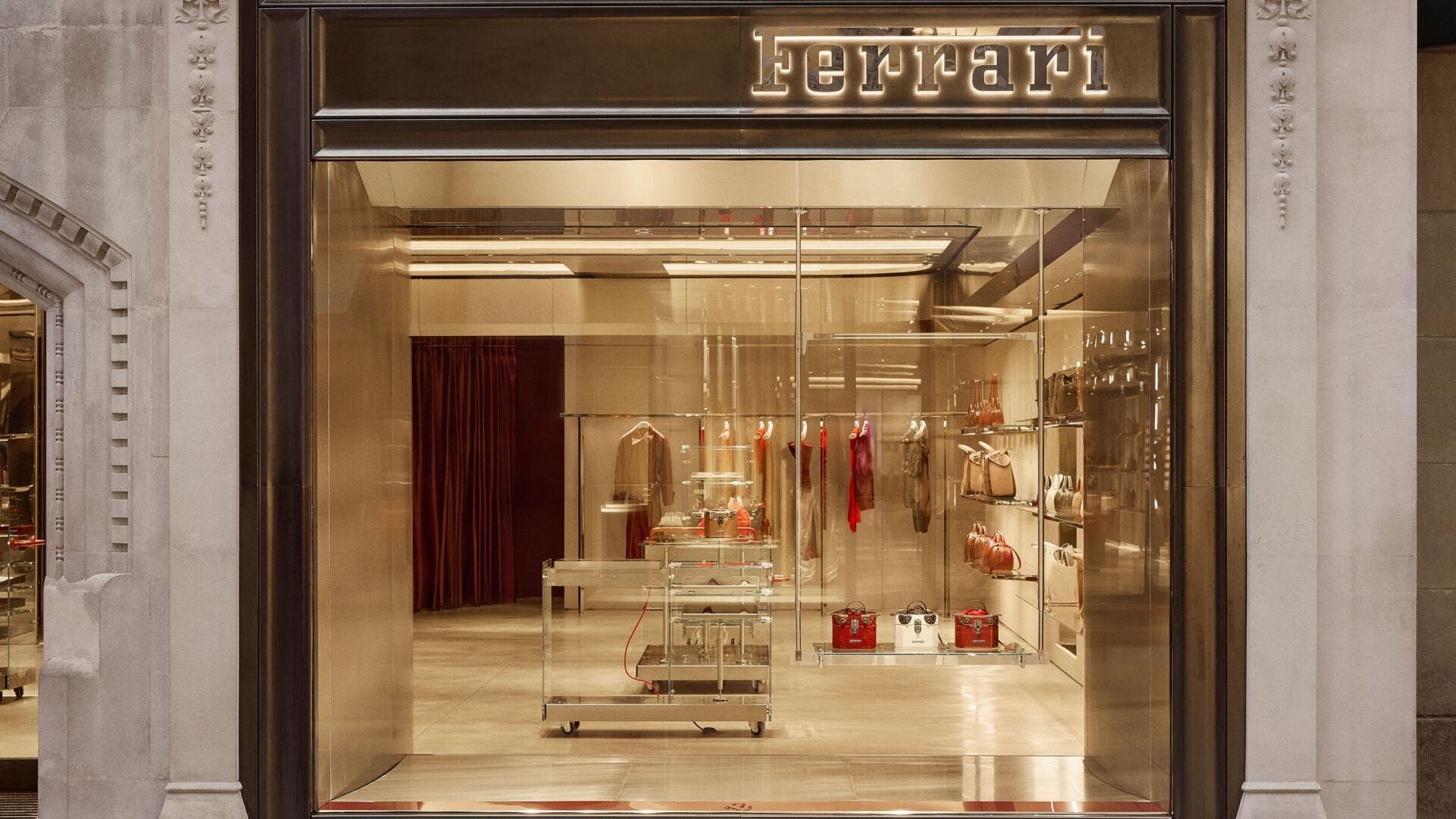
Step into Ferrari’s flagship boutique on London’s prestigious Old Bond Street, a three-story palace previously occupied by diamond giant De Beers, and you are greeted by a burly doorman, white-glove assistants, and a complete absence of price tags. It is classic high luxury in every sense, except for one awkward detail highlighted by a Financial Times report: on any given weekday morning, the store is virtually devoid of actual human customers.
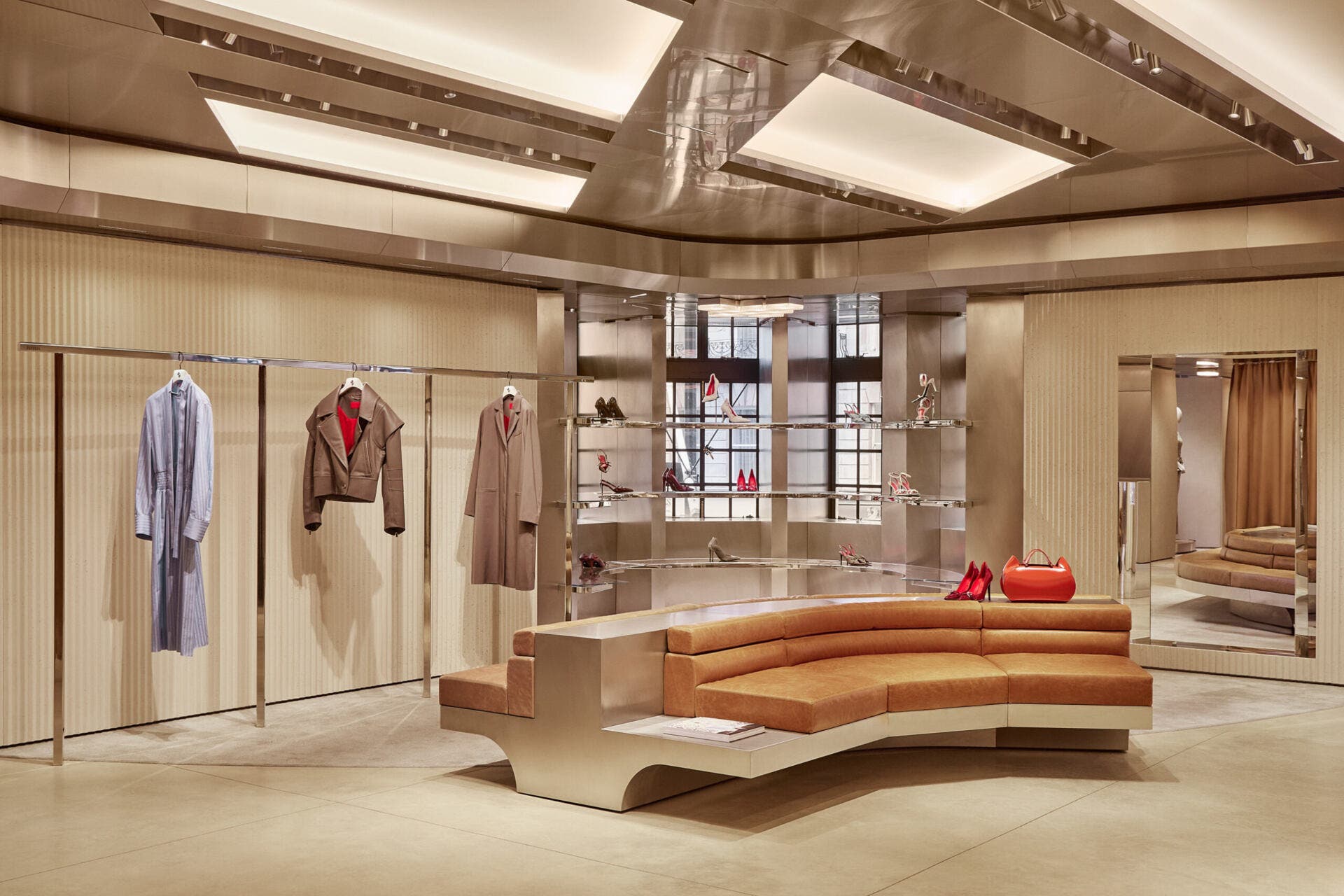
Back in 2019, Maranello yanked back its merchandising rights, brought creative control completely in-house, and purged decades of cheap keychains and teenage bedroom posters. The resulting high-fashion rebranding was nothing if not aggressive.
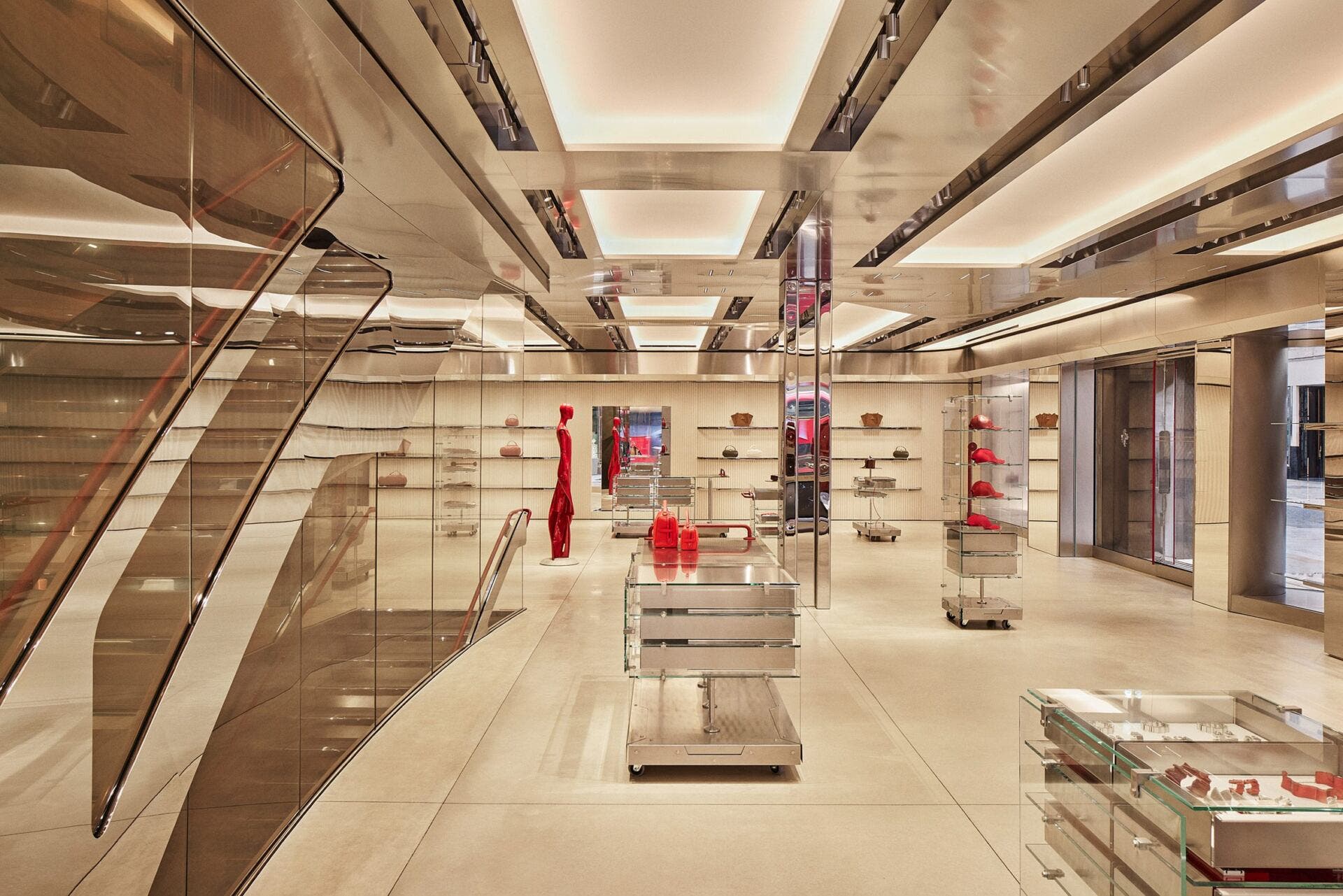
T-shirts now range between $200 and $500, outerwear routinely breaks the thousand-dollar barrier, and an authentic Michael Schumacher race suit will set you back roughly $52,000. The craftsmanship is undeniably top-tier, the white-glove service is flawless, and the contemporary art gallery atmosphere is deeply impressive, even if genuine motorsport relics are in a single room in the basement.
Unfortunately, Ferrari is fighting forty years of ingrained consumer perception. Decades of licensed trinkets and counterfeit t-shirts turned the Prancing Horse into the default status symbol for people who could never dream of affording a real supercar. That kind of mass-market stain does not simply wash away because you put a high-fashion collection on a runway at Milan Fashion Week.
While modern consumers willingly buy Louis Vuitton pinball machines, Heinz ketchup suitcases, or Dolce & Gabbana teapots, Ferrari’s heritage is far more monolithic. The brand works precisely because it is rare, exclusive, and attached to a vehicle screaming down a racetrack at two hundred miles per hour.
Opening a second luxury flagship in New York City by the end of the year is merely doubling down on a high-stakes gamble. Ferrari is attempting to redefine its name as a universal synonym for ultra-luxury rather than mere automotive excellence. It is a bold play, but for now, the Prancing Horse’s fashion empire feels like a high-performance engine revving endlessly in neutral, desperately waiting to discover who its real audience actually is.