

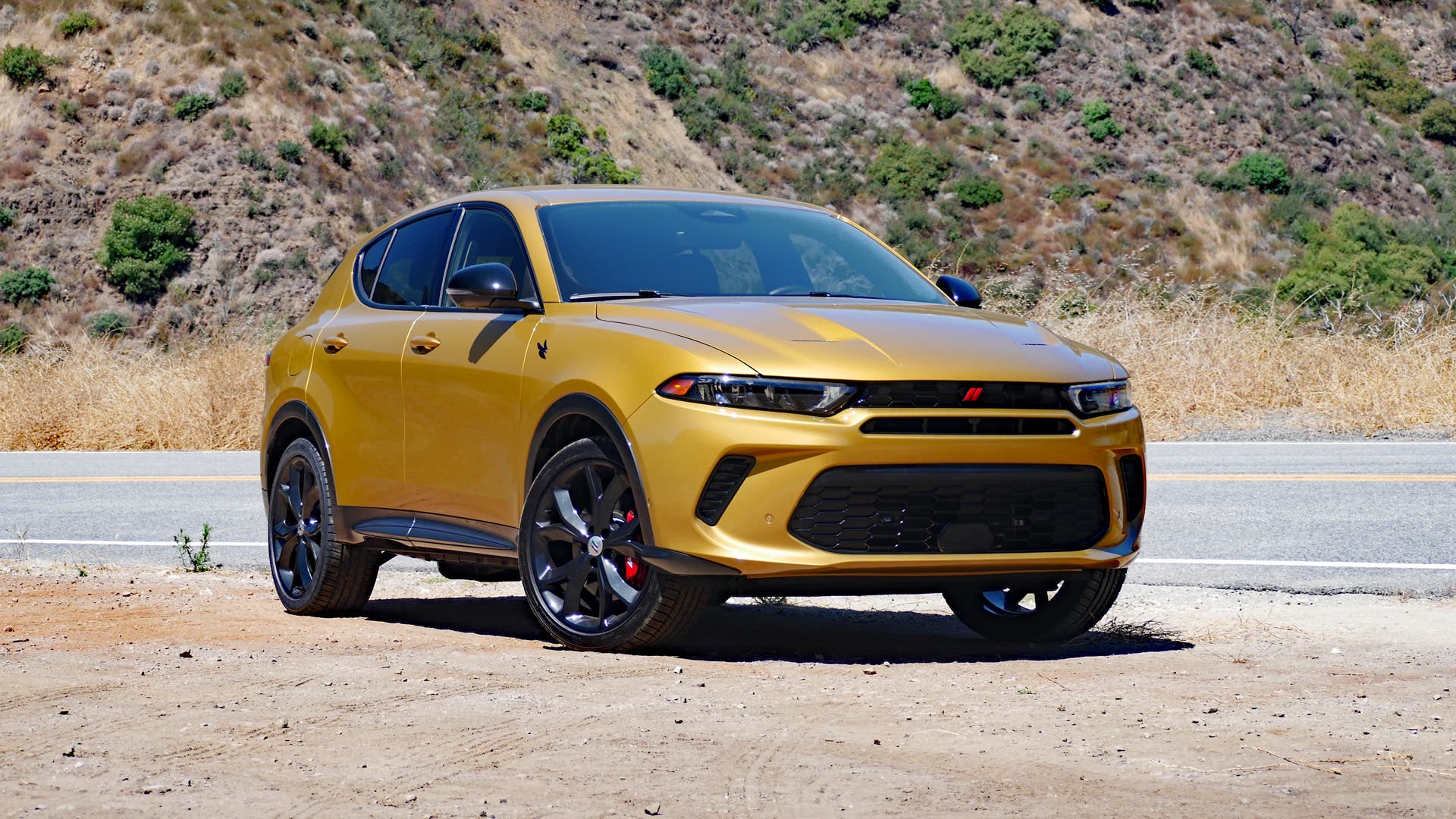
The Dodge Hornet is leaving the U.S. market much sooner than its summer 2022 debut suggested. The outcome hardly comes as a surprise, however, since Dodge ended production in January 2026 and its official inventory search now shows only 88 examples. That limited availability brings the crossover close to the end of a career that lasted barely three years.
Dodge Hornet fades from the U.S. market after just three years

Dealers are trying to clear the remaining stock through substantial discounts, although the numbers vary depending on the source. Dodge’s official listings range from $31,590 to $50,775, and buyers may negotiate even lower prices. Cars.com, meanwhile, shows 129 advertisements for new examples from different model years, though some listings may no longer reflect current availability or may refer to vehicles that dealers have already sold.
One white 2024 Hornet GT has dropped from $34,990 to $23,990, cutting $11,000 from its original price. Dealers also advertise another 39 units below $30,000. These discounts confirm that retailers want to close this chapter quickly rather than keep an discontinued model sitting on their lots for months.
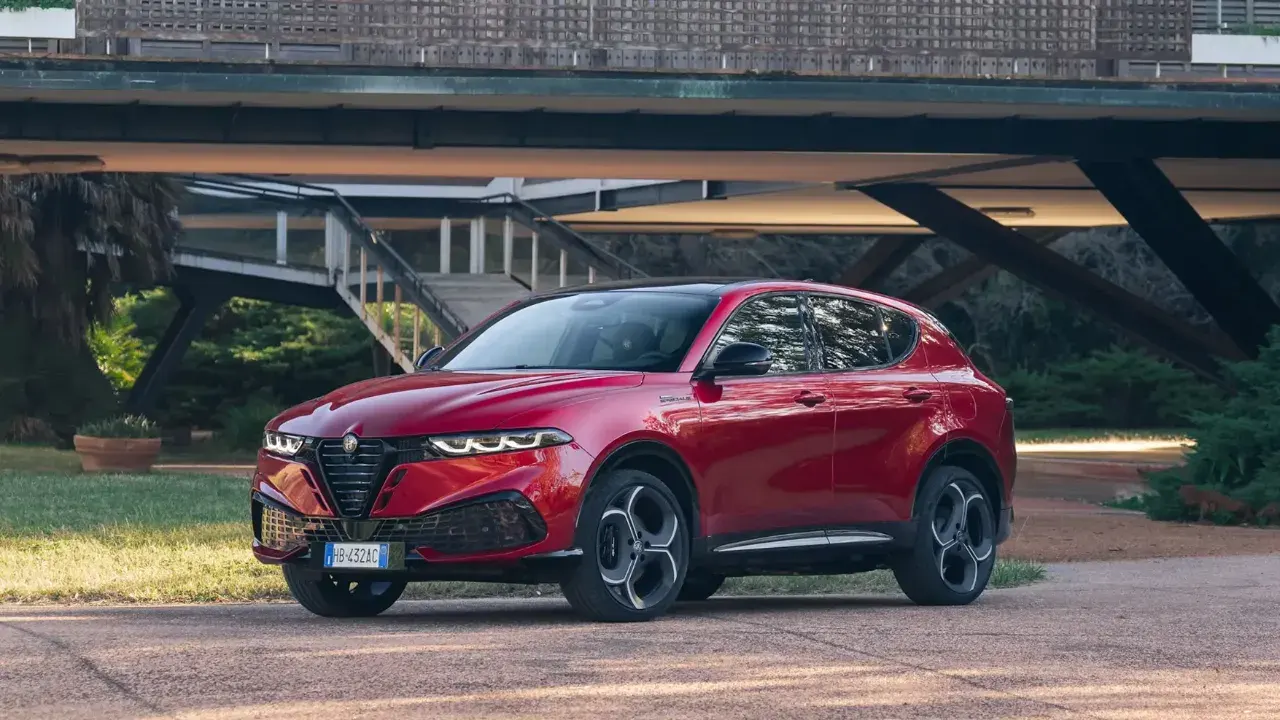
The Hornet shared its roots with the Alfa Romeo Tonale and used the same FCA Small Wide platform, although Dodge gave it a more aggressive appearance and tuning that better matched the brand’s performance image. The Pomigliano d’Arco plant in Italy assembled every Hornet, which added shipping costs and import duties to vehicles headed for the United States. Dodge also cited regulatory changes as another factor behind the decision to end the program.
The R/T plug-in hybrid was supposed to move Dodge into a new phase of electrification, but Stellantis later revised its plans and reduced the space available for the crossover. Its departure leaves Dodge with the Charger, offered in two-door and four-door forms, and the Durango, an SUV based on an architecture that dates back to 2011. The move narrows an already limited lineup even further.
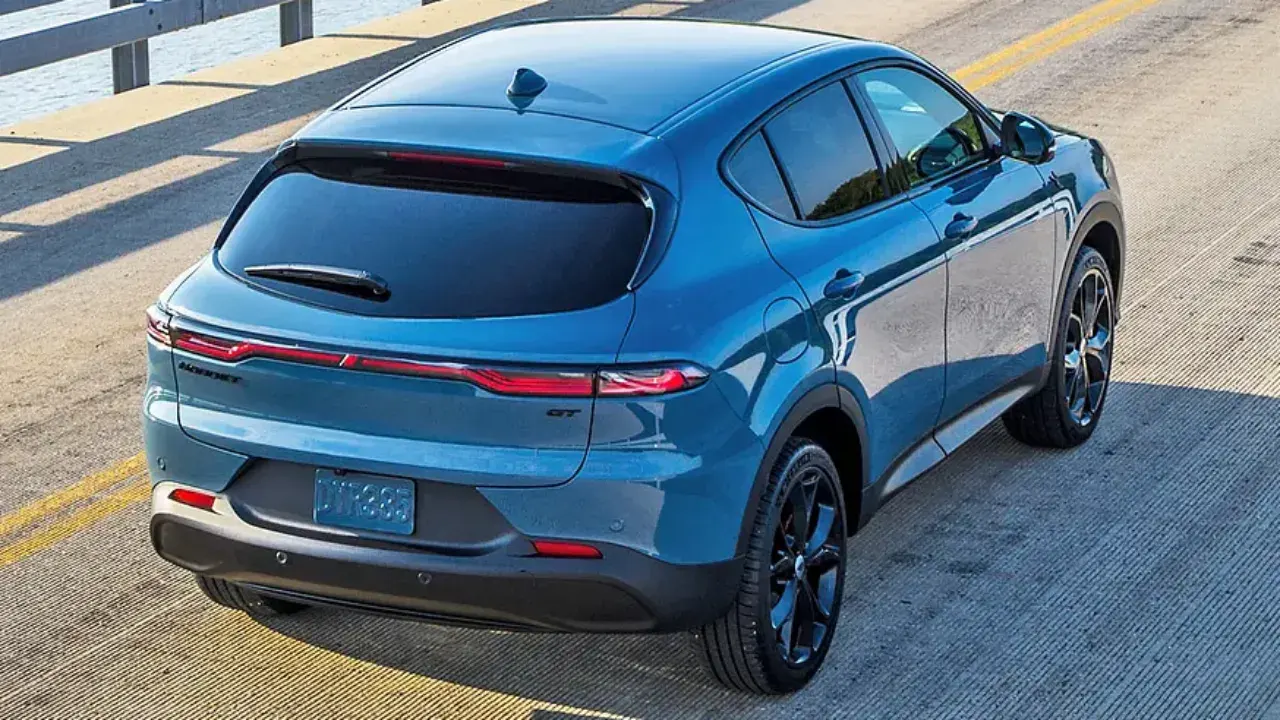
The Alfa Romeo Tonale could follow a similar path, although this remains only a rumor for now. Stellantis is reportedly considering ending production in November 2027 so it can allocate part of the Pomigliano d’Arco plant to a future, more affordable electric model. Such a decision would end the Tonale’s career around six months before its sixth anniversary on the market.
The Hornet’s departure will not leave Dodge without an entry-level model. Under the FaSTLAne 2030 plan, Stellantis announced the GLH, a high-performance vehicle described as the Hornet’s successor and developed this time around Dodge’s own identity. The roadmap also includes an updated Durango and a new generation of the SUV, which Dodge plans to build in Detroit from 2029.
Stellantis also plans the Copperhead SRT, a two-seat combustion-powered sports car with proportions designed around a possible production model. It will not use the Charger platform and will not replace the Viper, while its powertrain and launch date remain undefined.