

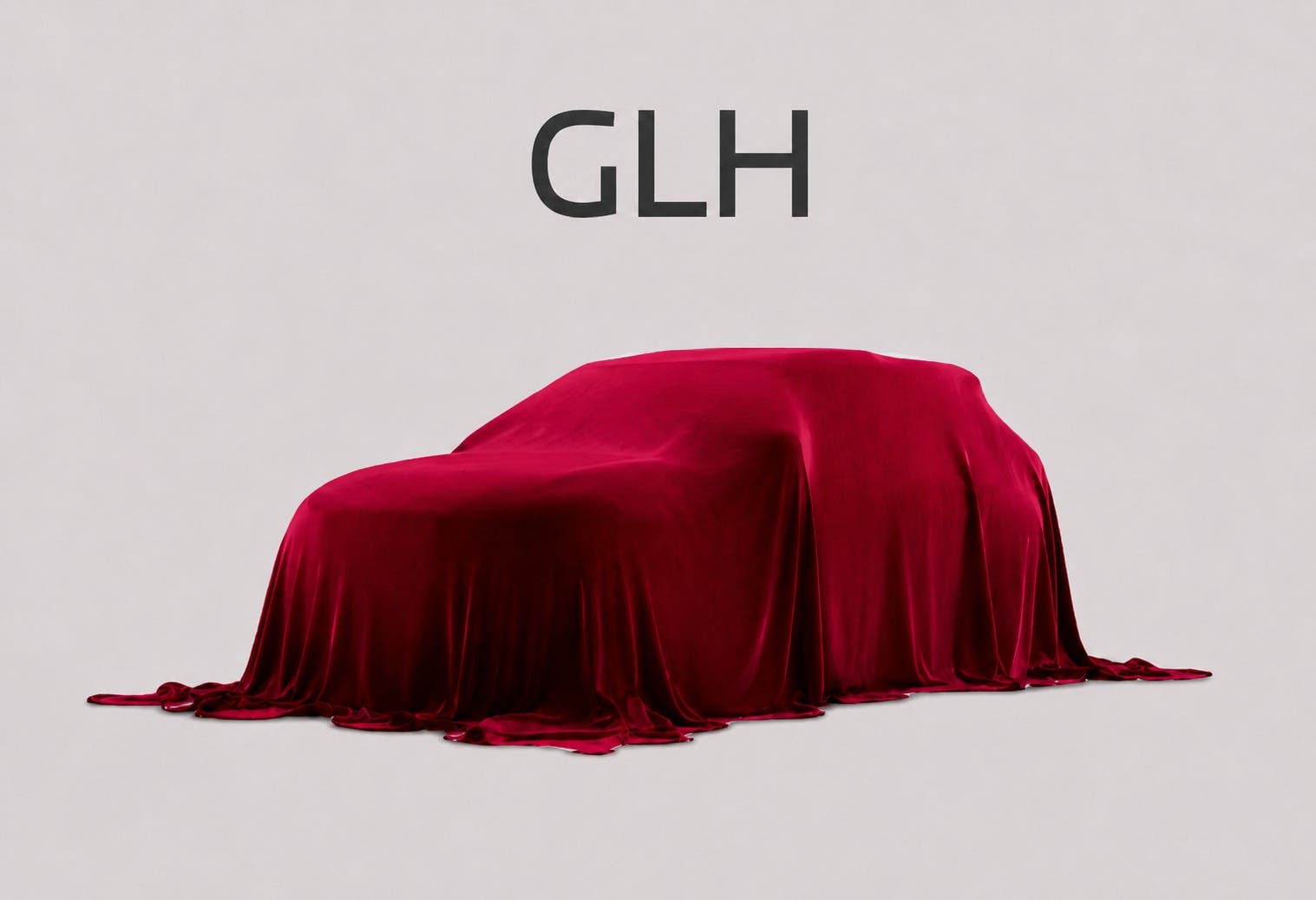
The Dodge Hornet failed to establish itself as the compact crossover the American brand had hoped for. Launched for the 2023 model year with the ambition of bringing a muscle-car identity into the C-SUV segment, the model suffered from weaker-than-expected sales, several recalls and a deeper problem linked to product perception.
For many U.S. buyers, its close technical relationship with the Alfa Romeo Tonale made the Hornet feel less credible as an authentic Dodge, despite its more aggressive body design. The model eventually left the scene without much noise, taking advantage of the introduction of U.S. tariffs on European-built vehicles imported into America, since the Hornet came from the same Italian plant as the Tonale.
Dodge admits the Hornet missed the mark and prepares the GLH comeback
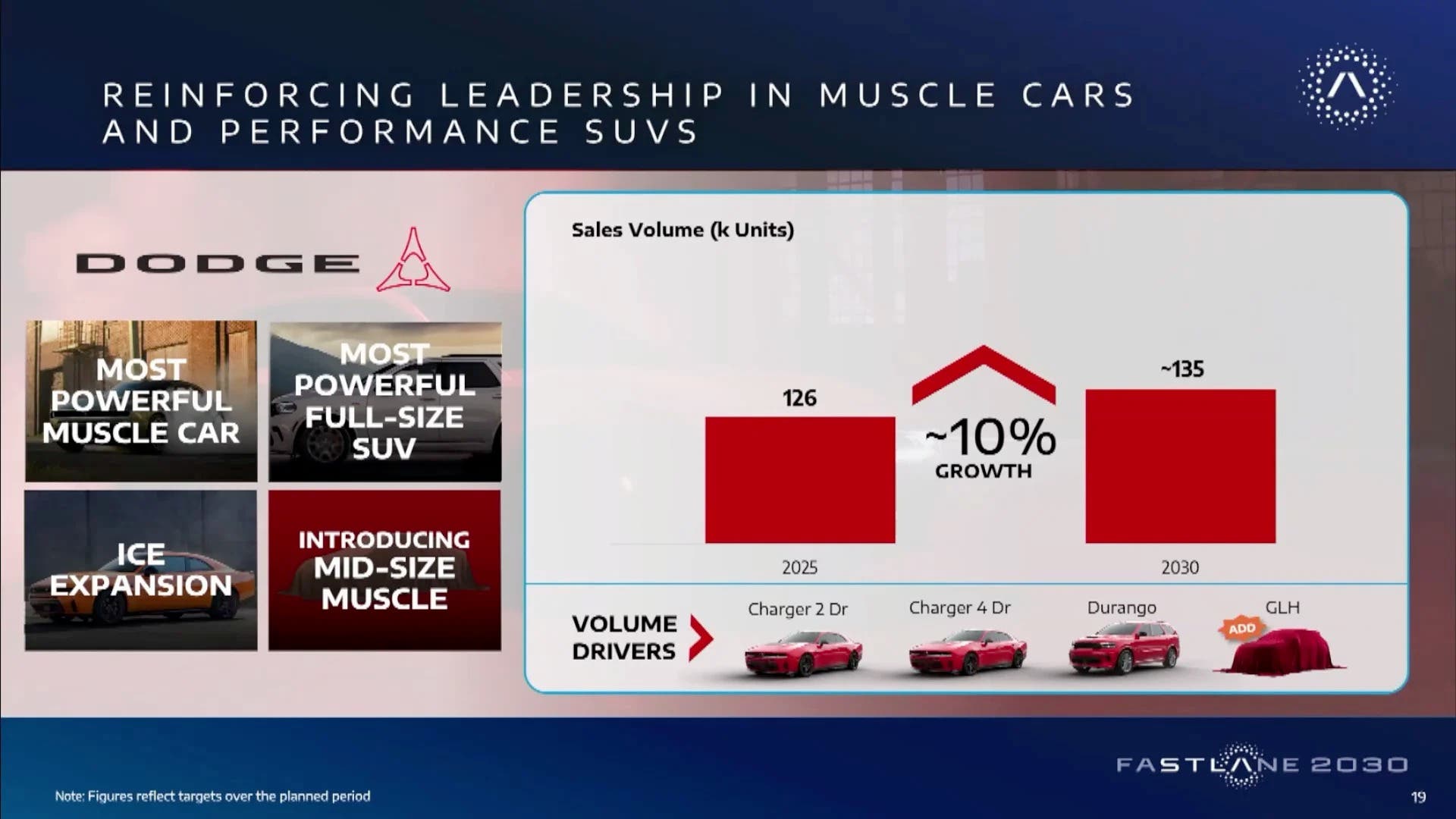
Tim Kuniskis, head of Stellantis’ American brands, SRT Performance and North American marketing, essentially acknowledged the misstep during the group’s Investor Day by announcing the Dodge GLH as the Hornet’s replacement within the FaSTLAne 2030 strategy. His words left little room for interpretation. He described the new model as “a true entry-level vehicle, a gateway into the Brotherhood of Muscle” and added that people should think of it as “the next-generation of Hornet, but the way we should have done it the first time.”
The chosen name has deep roots in 1980s Mopar tradition. GLH recalls the Dodge Omni GLH, a light and sporty compact developed in collaboration with Carroll Shelby that became a cult model among American enthusiasts. The acronym stood for “Goes Like Hell” and embodied the idea of an accessible car capable of disrupting the performance hierarchy in its segment.
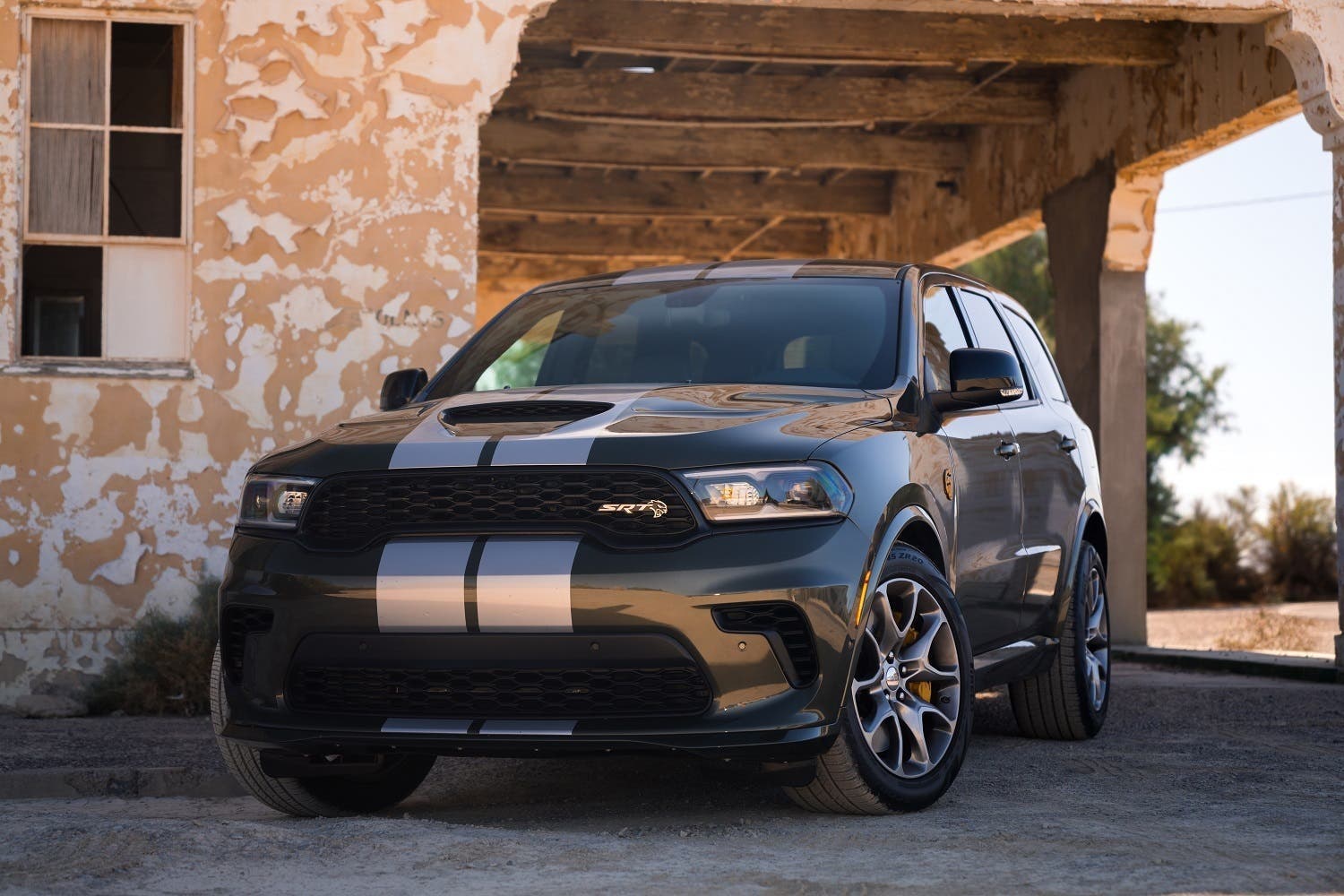
The new GLH should recover that spirit while joining the Charger and Durango in Dodge’s future North American lineup. Stellantis has not yet confirmed the platform for the crossover, but the recent presentation of the modular STLA One architecture, designed for the B, C and D segments with multi-energy configurations, makes it plausible that the model could use this base.
If that happens, Dodge would have the chance to develop a compact SUV on an architecture compatible with its own product vision, rather than adapting mechanical hardware created for a brand with a completely different positioning. The real challenge will be proving that an entry-level crossover can express Dodge character without merely dressing someone else’s project in a more muscular body.