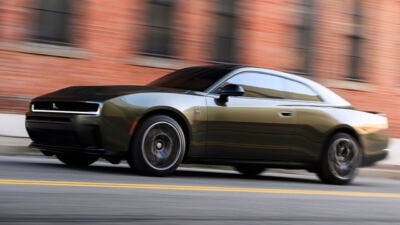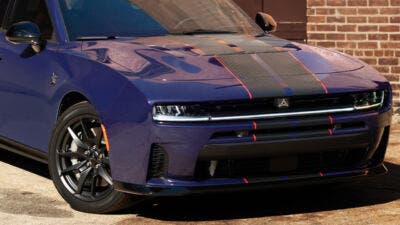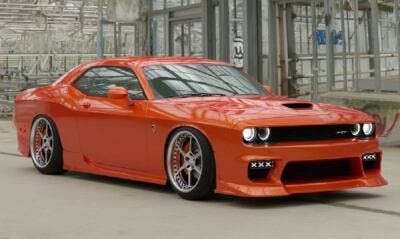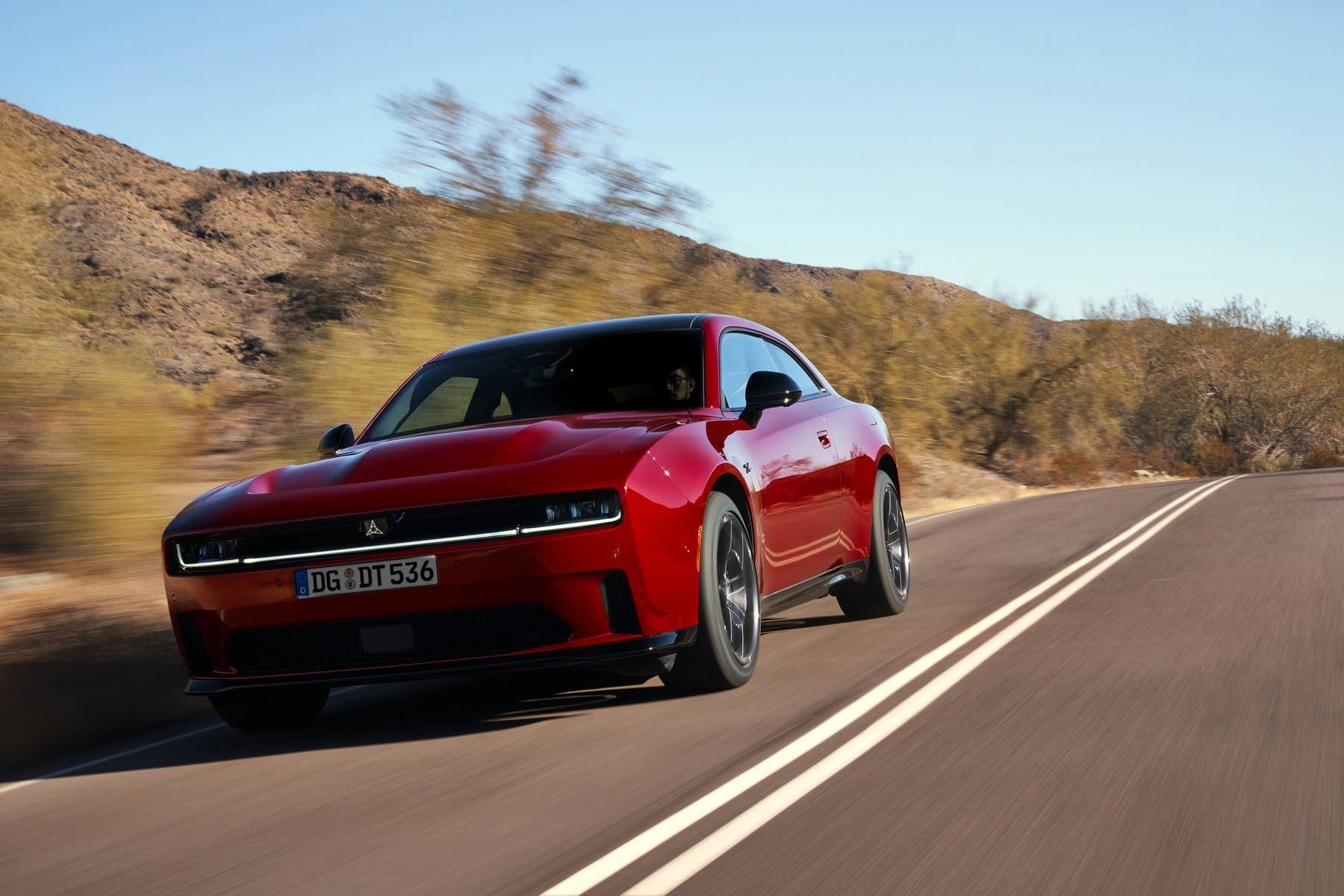
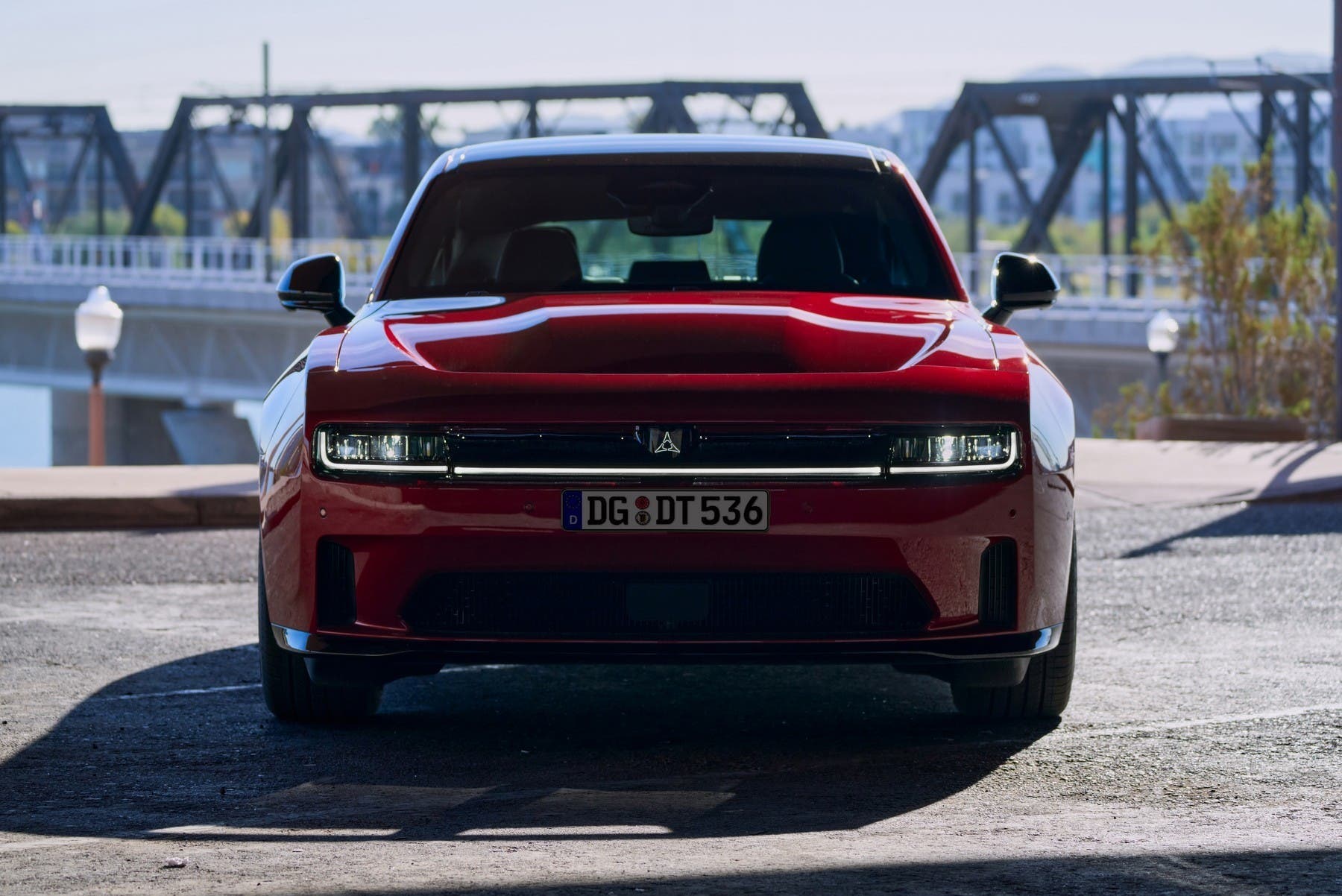
Dodge sold 294 electric Charger Daytonas in the United States in the second quarter of 2026, down 88% from the same period in 2025. By contrast, the Charger with the twin-turbo six-cylinder Hurricane engine reached 2,911 units in the same period, up 404%. Half-year figures confirm the trend, with only 534 Daytona BEVs delivered compared with 4,299 a year earlier, while combustion-powered Charger sales reached 4,583 units, up 181%.
Dodge Charger EV falls 88% while combustion model gains ground
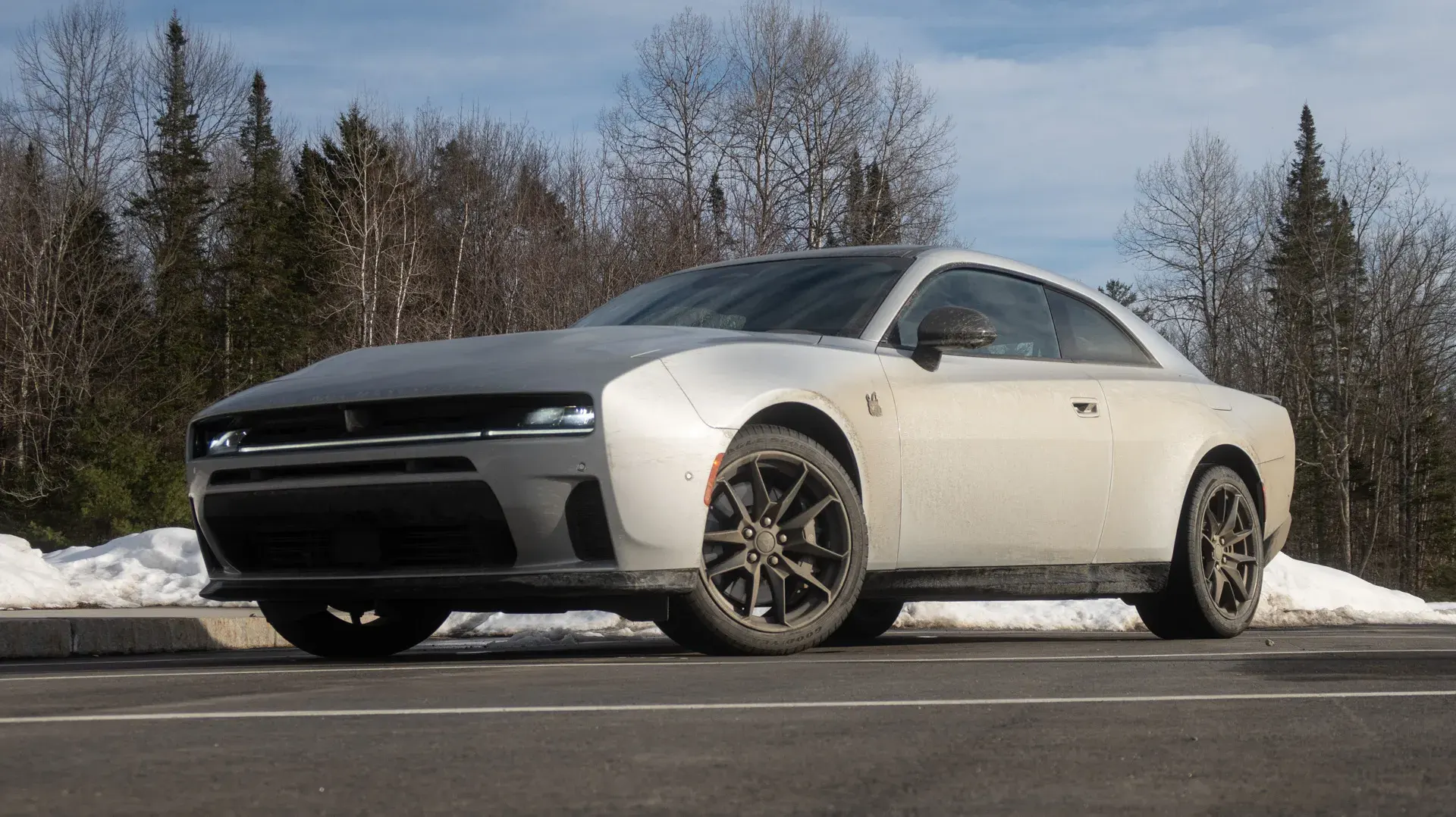
The gap highlights the difficulty of electrifying a model that Dodge built for decades around displacement, sound, and mechanical identity. The Charger Daytona arrived as a symbol of Dodge’s new era, replacing the V8 with high performance and electric drive. However, the brand’s historic audience responded coldly, and discounts and promotions failed to reverse the trend. Dodge reduced the role of the most affordable electric version in the lineup after demand fell below expectations, while high pricing and Canadian production exposed to tariffs added further pressure.
The combustion-powered Charger, meanwhile, continues to regain ground, even without the engine that many enthusiasts still want. The Hurricane offers a modern and powerful solution, but it remains far from the HEMI image that helped build the Dodge muscle car myth. The possible return of the supercharged 6.2-liter HEMI could therefore become the decisive lever to revive interest in the model. Stellantis has already placed that engine back at the center of its communication with some high-performance Ram products, and the latest figures now seem to confirm CEO Antonio Filosa’s prediction that the combustion Charger would account for the vast majority of new-generation sales.
The broader Stellantis picture in the United States remains positive. The group closed the second quarter with sales up 6%, marking its fourth consecutive quarter of growth, while first-half registrations reached 634,187 units, up 5%, driven by Ram, Chrysler, and higher-margin models. Dodge ended the first half with 44,511 units, down 6% from 2025, with the Durango partly limiting the decline as it continues to support the brand’s volumes.
The Charger Daytona’s trajectory suggests that the muscle car segment needs emotional continuity during the electric transition, something technical specifications alone cannot guarantee. Dodge can still build an electrified future, but 2026 figures show that its audience does not yet want to give up its bond with combustion engines. The Charger will only return to stronger growth when it manages to integrate new technology without erasing the identity that made it famous.