Long before modern hypercars required active aerodynamics, aggressive grilles, and one thousand horsepower just to impress teenagers on social media, fifties Italian design operated on a radically different philosophy. You didn’t need absurd spoilers or fake vents to leave a lasting mark, you just needed spot-on proportions, brilliant engineering, and that uniquely Italian knack for turning sheet metal into pure emotion. Lancia understood this assignment better than anyone.
Take the legendary Aurelia B24. Penning both Spider and Convertible variants, Pininfarina crafted what is still widely considered one of the most gorgeous vehicles ever built. It didn’t try too hard, yet its clean, sensual lines refuse to age.
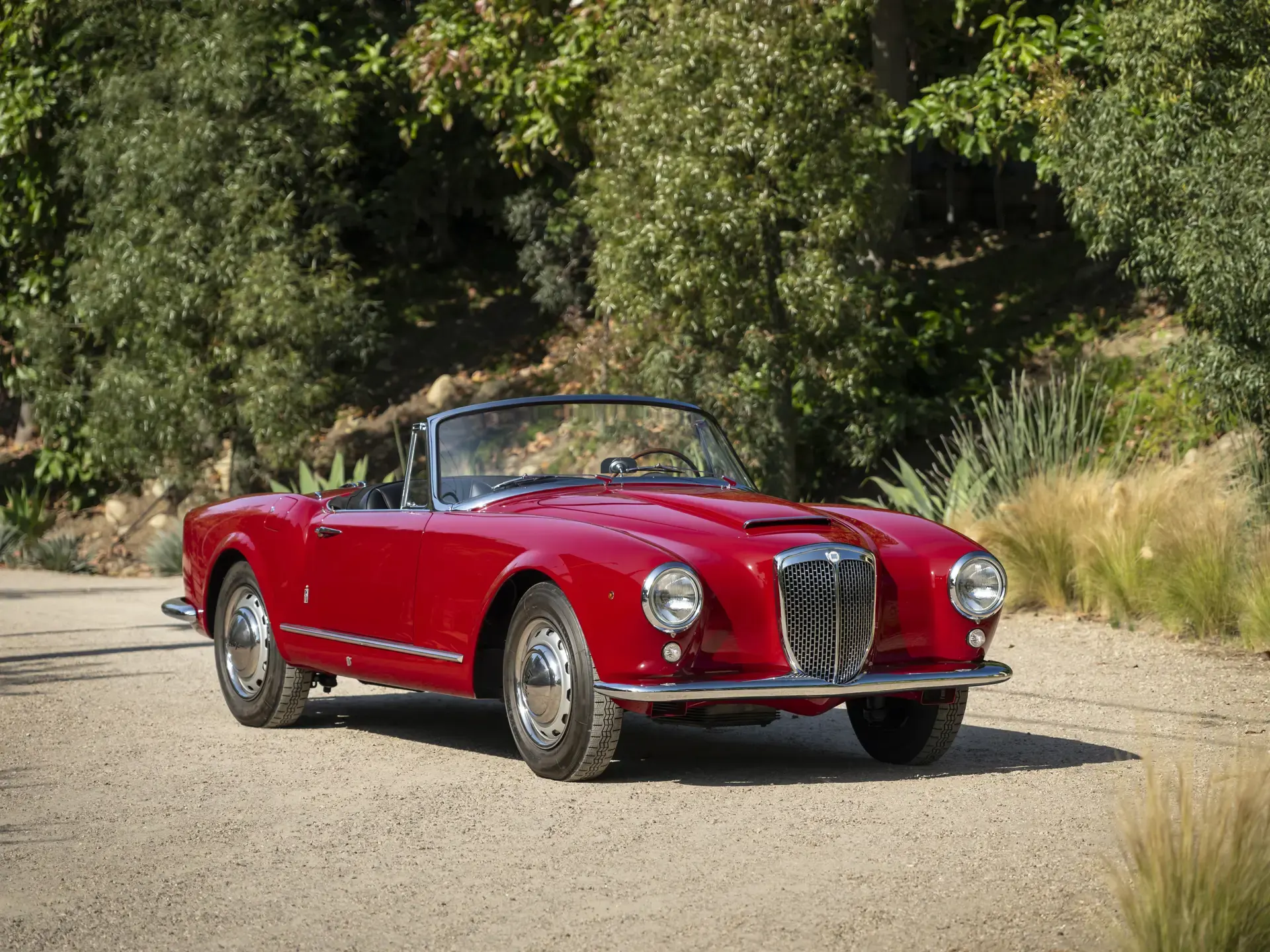
Underneath that breathtaking bodywork sat the world’s first mass-produced V6 engine, a piece of genuine mechanical innovation long before Lancia’s corporate destiny was temporarily downgraded to badge-engineering urban hatchbacks. The B24 became the undisputed poster child of La Dolce Vita, gracing silver screens, Riviera resort towns, and the dreams of high-end collectors who now trade them for eye-watering fortunes.
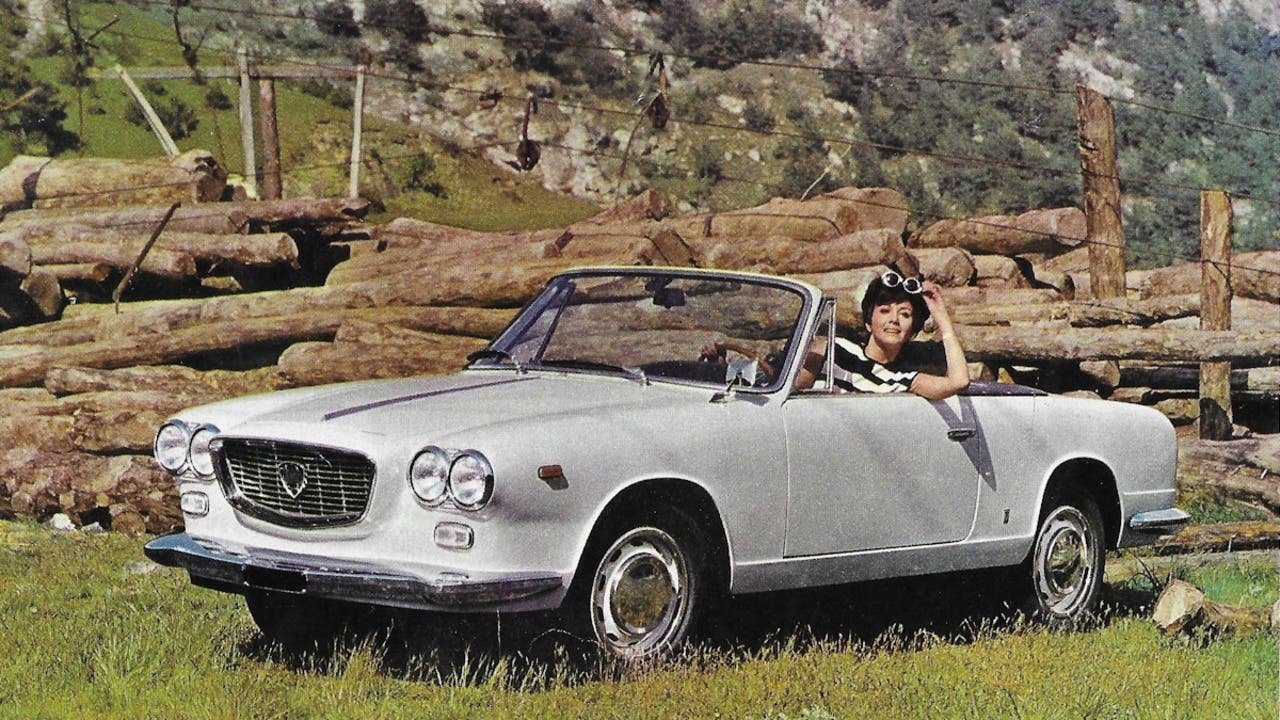
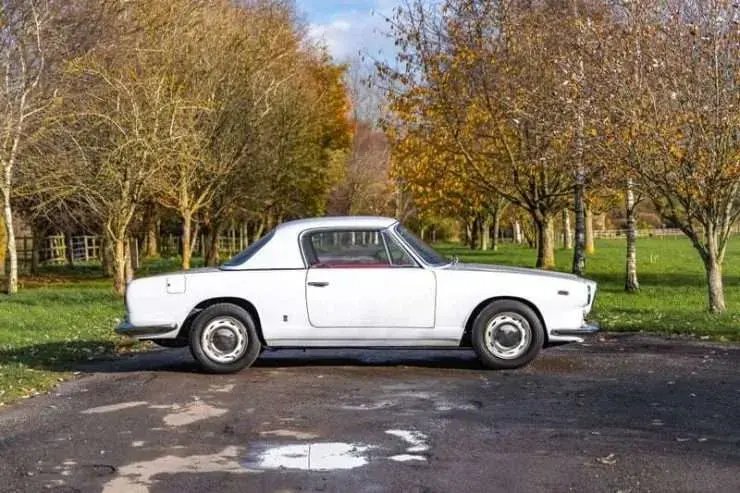
Then came the Flavia Cabriolet. Vignale wrapped a surprisingly forward-thinking chassis—boasting front-wheel drive and four-wheel disc brakes back when most stopping systems relied heavily on wishful thinking—in an elegant shell. Better yet, its four actual seats meant enjoying an open-top road trip didn’t require your rear passengers to undergo orthopedic surgery afterward. Even smaller entry-level models like the Appia received the open-air treatment, preserving that obsessive attention to detail that once defined the marque.
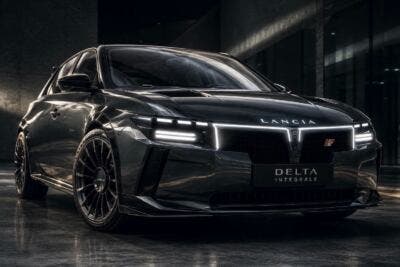
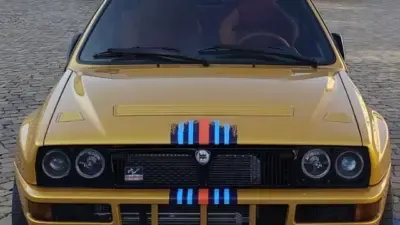
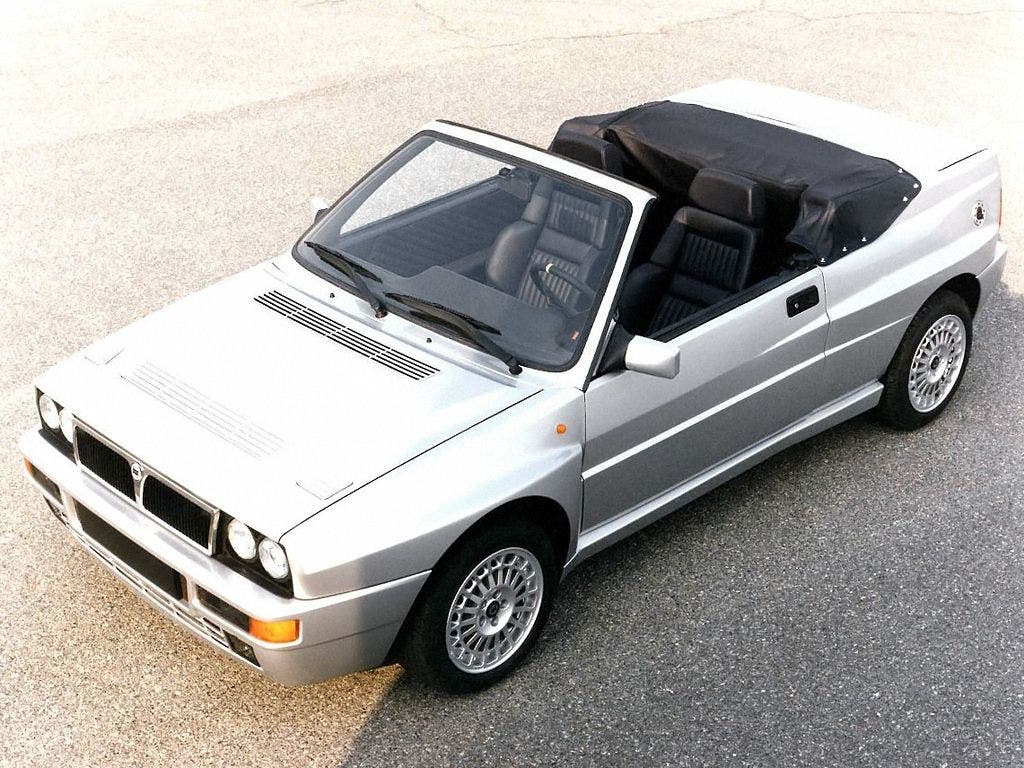
And then there is the delightfully unhinged chapter: the Lancia Delta Integrale Cabrio. A true one-off built specifically for Gianni Agnelli, it took a homologated, gravel-spitting rally monster and casually chopped its roof off. It stands as one of the most wonderfully bizarre vehicles Lancia ever produced.
Today, these open-top icons dominate concours lawns, museum floors, and million-dollar bidding wars. They remind us of an era when a single brand could effortlessly pivot from high-society sophistication to raw rally madness without losing a shred of its identity.