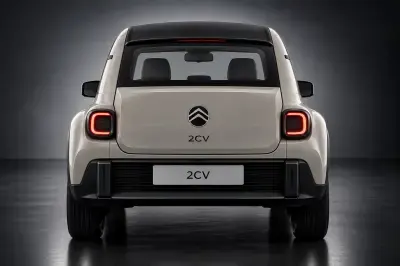
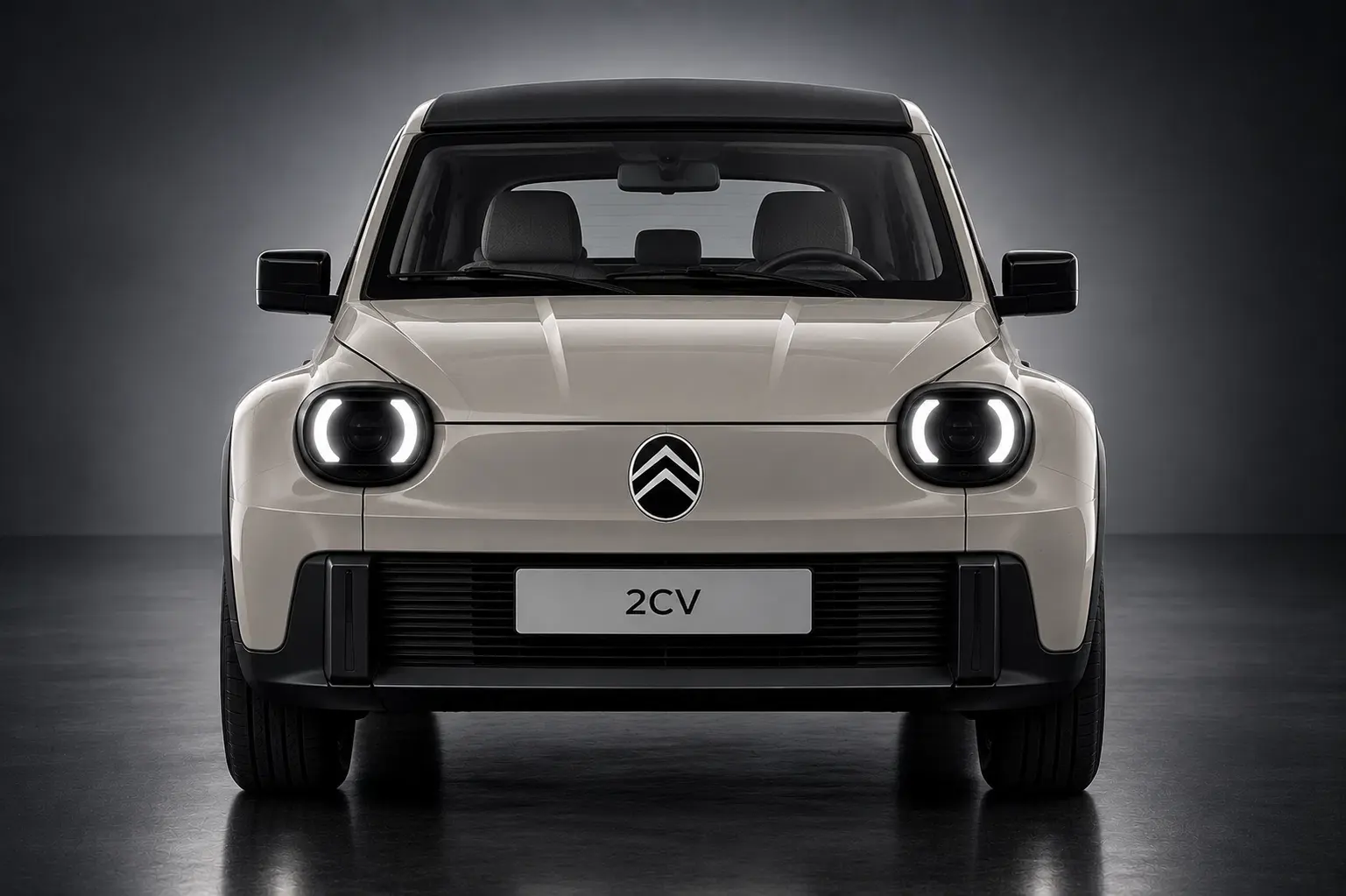
Stellantis wants to dig up the ultimate French utilitarian legend. The Citroën 2CV is officially returning as an ultra-affordable electric vehicle, set to steal the spotlight at the Paris Motor Show this October.
Citroën is taking aim at the bargain end of the market with a targeted starting price under €15,000. Officially greenlit under Stellantis’s FaSTLAne 2030 strategic plan, this modern incarnation promises to stay true to the original “Tin Snail” philosophy, prioritizing extreme simplicity, lightweight practicality, and pure urban mobility over unnecessary luxury.
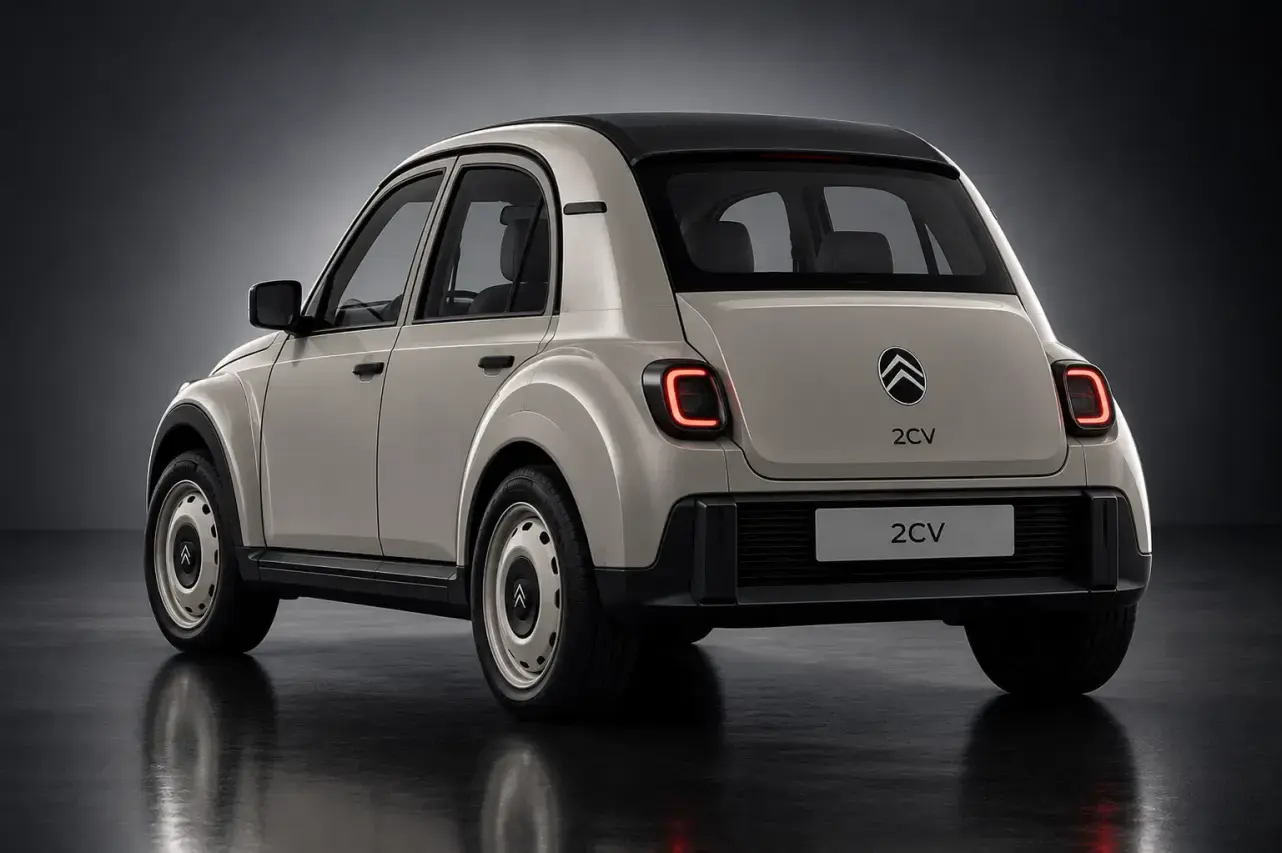
Although official details remain tightly guarded ahead of the show’s press day on October 12 at Porte de Versailles, preliminary teasers reveal retro-inspired rounded headlights and unmistakable vintage silhouette lines.
What we will see in Paris is likely a thinly veiled concept, but the production version is slated to arrive by 2028 as part of the broader Stellantis “E-Car project”. This initiative aims to manufacture a family of compact, budget-friendly European EVs at the Pomigliano d’Arco plant in Italy, sharing its low-cost architecture with a next-generation electric Fiat Panda.
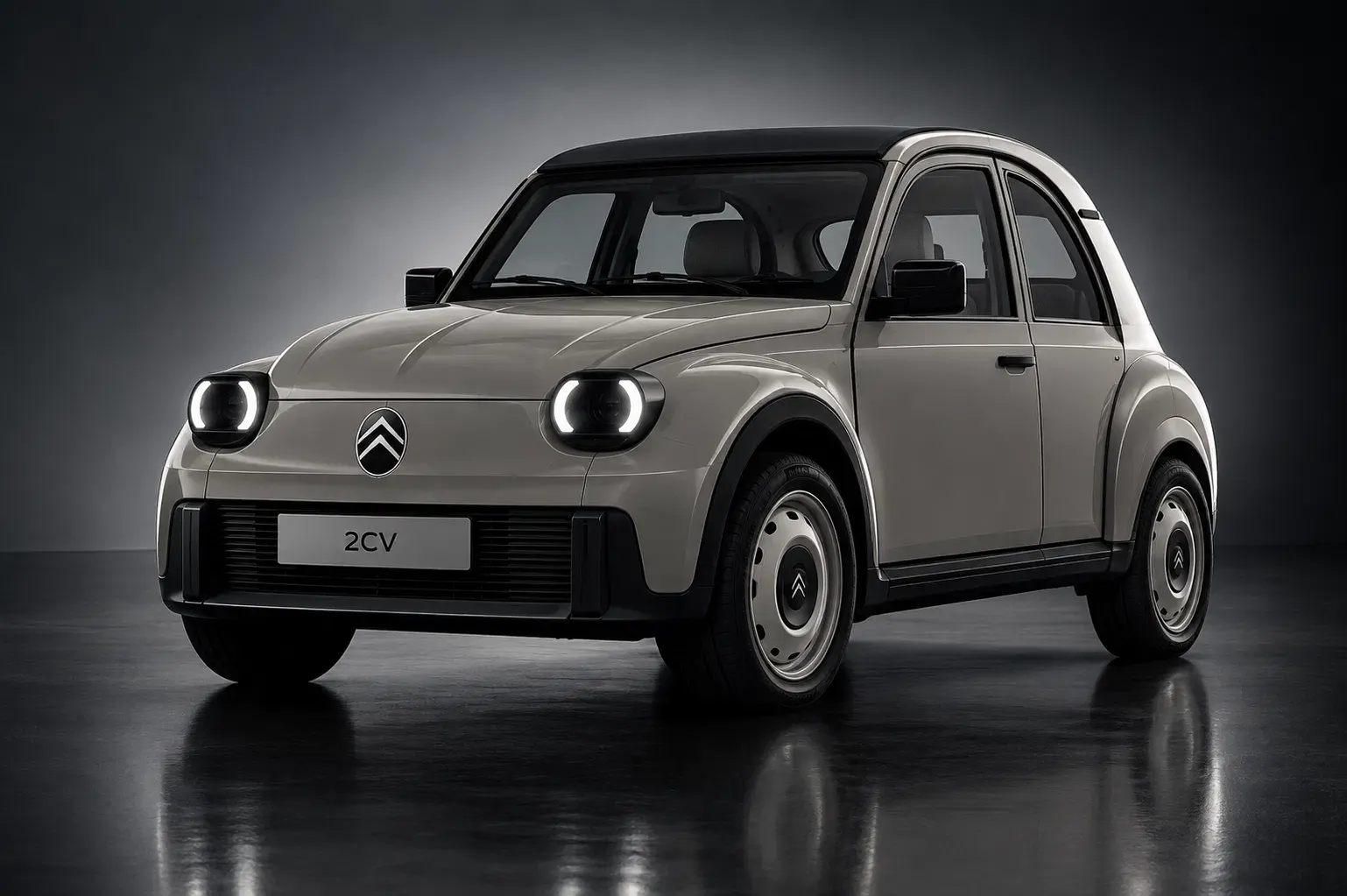
Rather than chasing the pricier retro-chic positioning of the Renault 5, the new 2CV seems a direct rival to the modest Renault Twingo EV, a back-to-basics commuter car designed to fend off the massive wave of cheap Chinese electric vehicles descending upon Europe.
Under the skin, the 2CV reboot is launching strictly as a 100% electric vehicle, though Stellantis has yet to disclose battery capacity, range, or motor outputs. While no gasoline or hybrid powertrains announced, the recent precedent set by the hybrid-converted Fiat 500e suggests the door doesn’t look entirely closed to internal combustion if pure EV sales stall.
For now, Citroën is betting that a cheap, quirky electric city car can bring European auto shows back to their former glory. Sometimes the easiest way into the future is to slap an electric powertrain on a French farm car from 1948.