

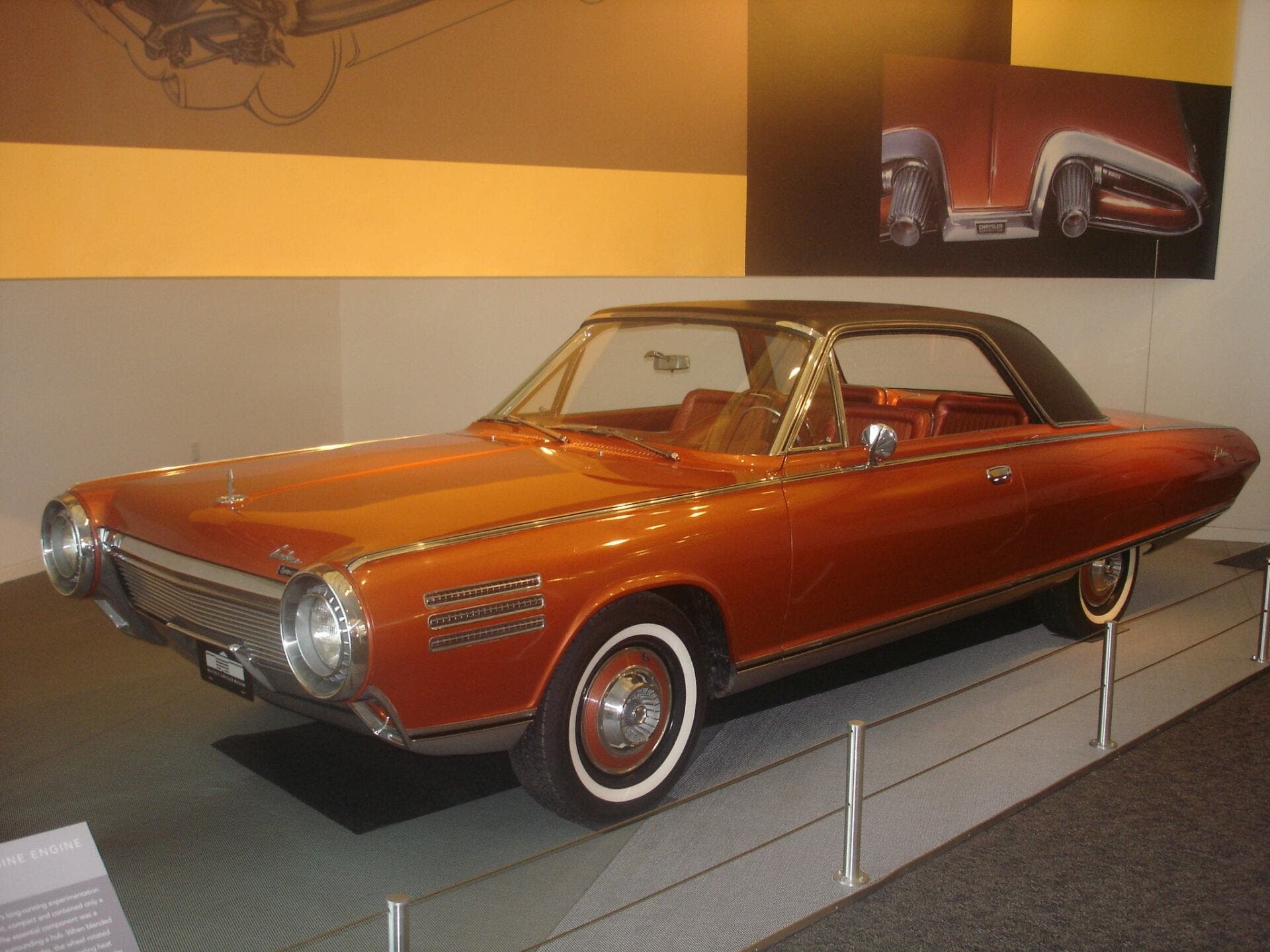
The Chrysler Turbine Car once ran on tequila during a demonstration in Mexico, after American engineers confirmed that the unusual fuel would work. Mexican President Adolfo López Mateos had asked about the possibility after becoming curious about the engine’s flexibility. Under the coupe’s body, Chrysler used a gas turbine that could run on several different fuels as part of its effort to explore an alternative to conventional piston engines.
Chrysler Turbine Car once ran on tequila during a demonstration in Mexico
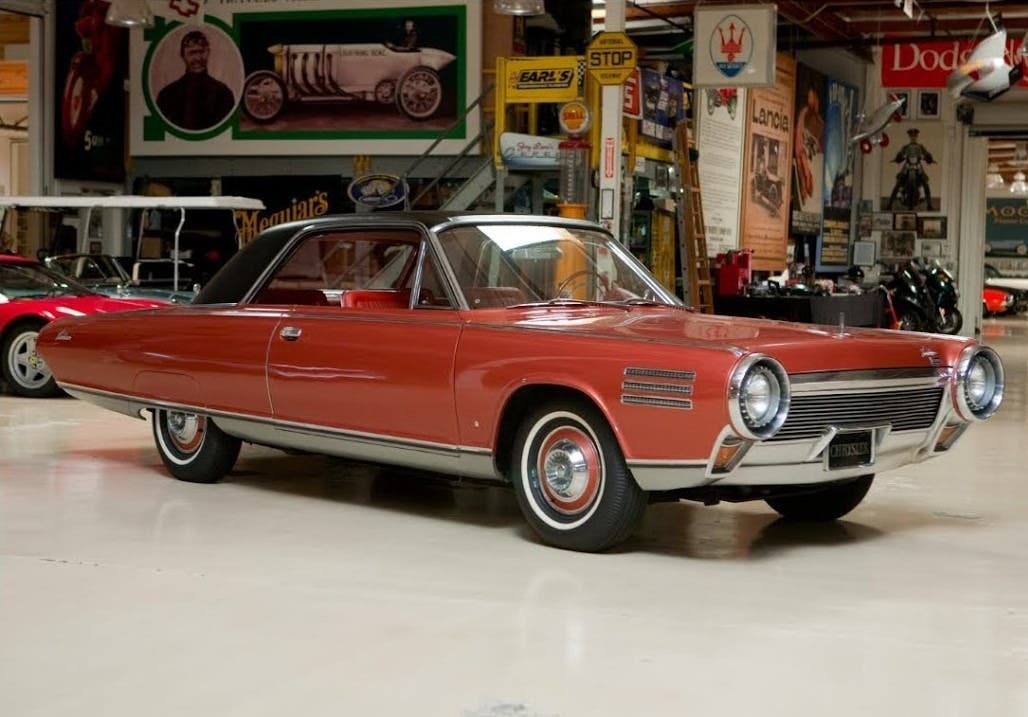
The Mexican experiment took advantage of one of the most unusual features of the A-831 turbine engine. Chrysler said the unit could operate on diesel fuel, kerosene, unleaded gasoline and JP-4 aviation fuel. Before approving the tequila demonstration, engineers tested the idea in the United States and confirmed that the alcohol-based fuel would not prevent the car from running.
Chrysler began developing turbine-powered cars in the 1950s, and by 1963 the program had reached a stage that involved everyday motorists directly. The company produced 55 Turbine Cars in total. Ghia built the bodies in Italy, while Chrysler completed the mechanical installation in the United States. The coupe’s futuristic styling matched the experimental nature of a car that used technology almost completely foreign to American production vehicles of the era.
To understand how the Turbine Car behaved outside a development facility, Chrysler created a real-world evaluation program with 203 drivers. Each participant received a car for roughly three months and used it during normal daily driving. The program gave engineers feedback about issues and practical needs that a public demonstration or auto show display could never reveal.
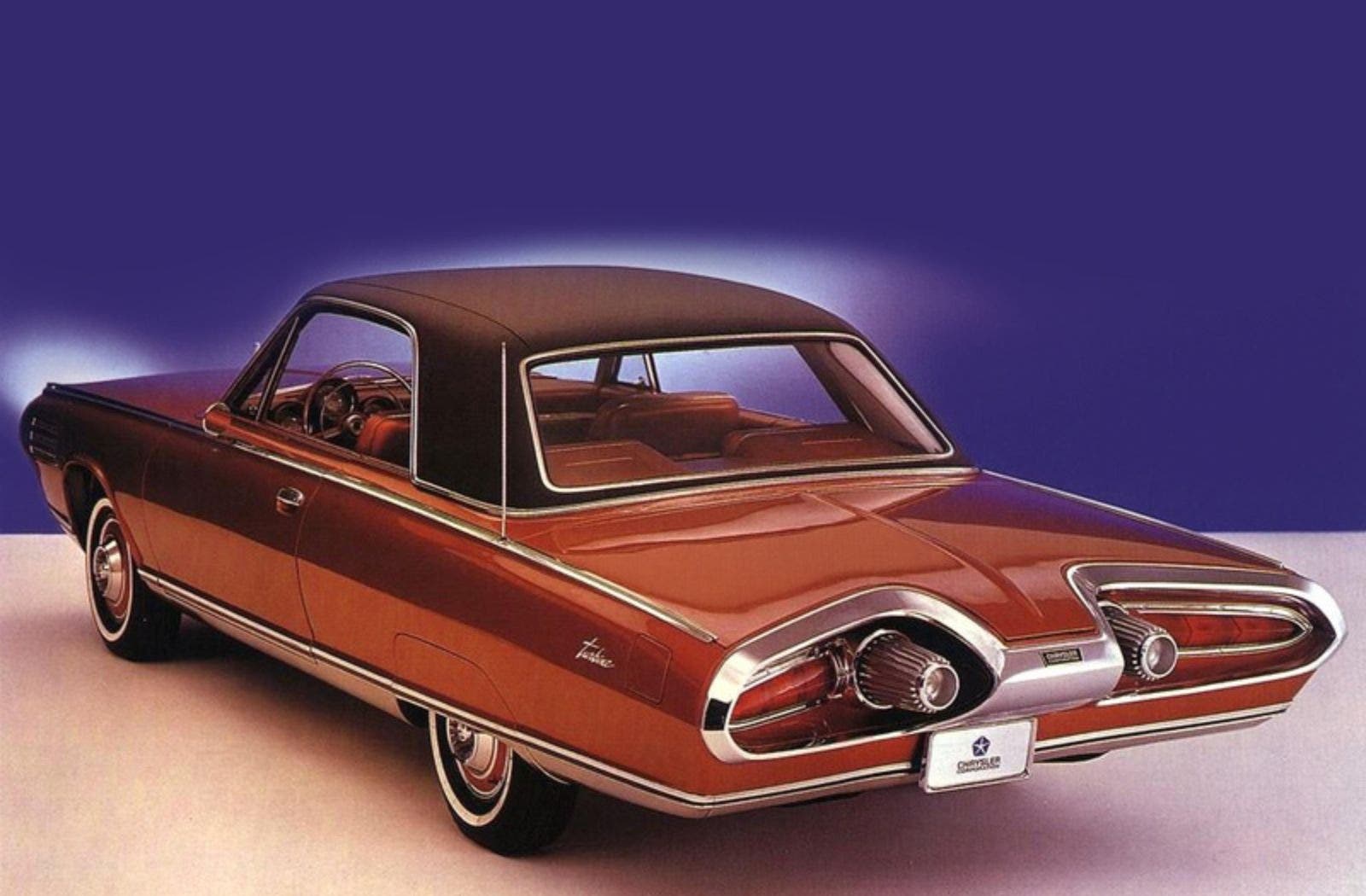
The turbine produced around 130 hp and used far fewer moving parts than a conventional piston engine. Its design eliminated pistons, connecting rods and a traditional crankshaft, while it also avoided the usual radiator-based cooling system. Smooth operation and the ability to accept several fuels helped convince Chrysler to continue developing the technology.
Automotive use still presented major challenges, however. Everyday driving was harder on the turbine because it had to respond to frequent changes in speed and throttle. Fuel consumption also failed to provide a strong enough advantage, while high manufacturing costs made the business case even harder. Increasingly strict emissions requirements created another obstacle to mass production.
The Turbine Car therefore never reached Chrysler showrooms despite years of development and direct testing with consumers. After the program ended, Chrysler destroyed most of the 55 cars and preserved only a small number.
Those surviving examples now provide a physical reminder of one of the most unusual experiments in American automotive history, a project that combined Italian coachbuilding with Chrysler engineering and even proved that, under the right conditions, a car really could run on tequila.