

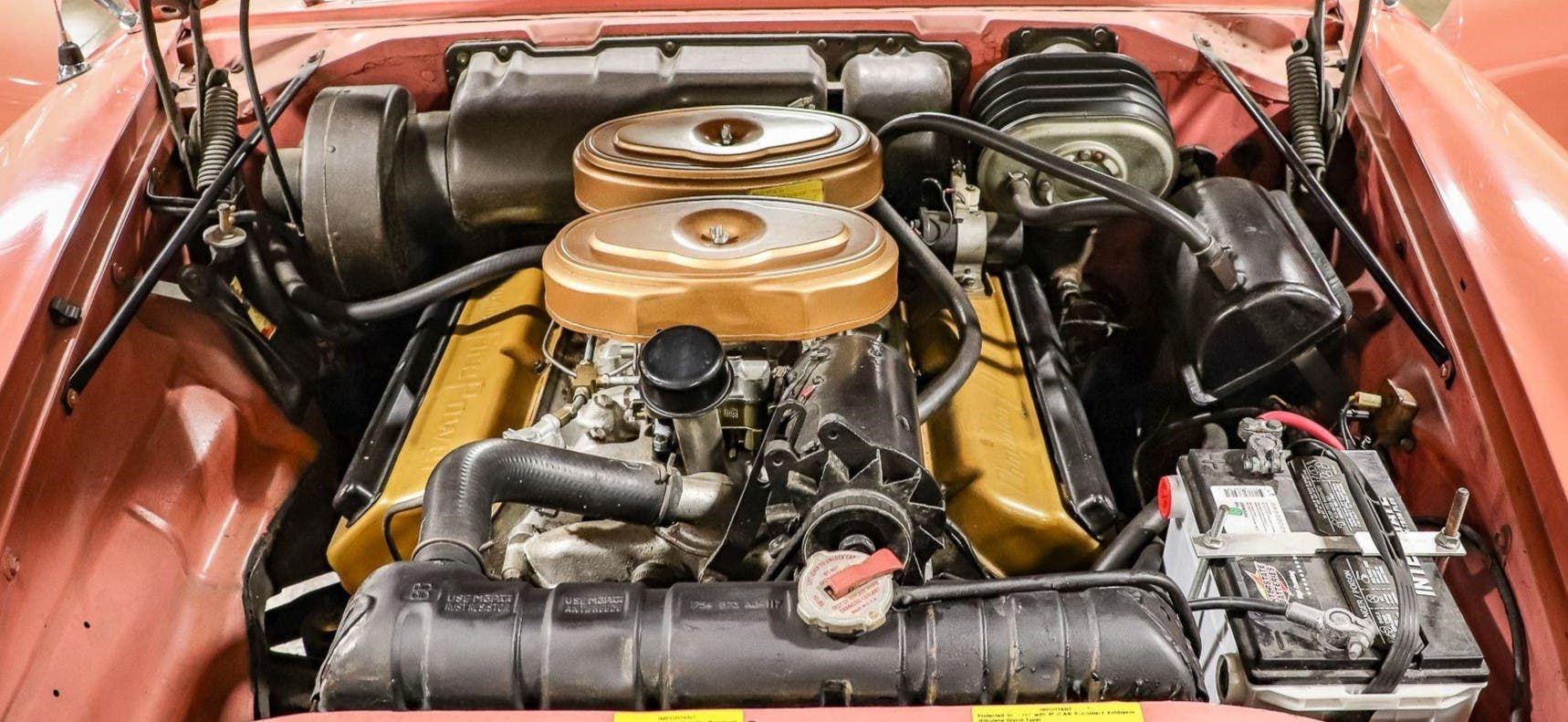
In 1950s Detroit, while suburban families were desperately painting over post-war dullness with pastel kitchens and gelatin salads, Chrysler’s skunkworks engineers were busy building something far more terrifying: the original 392 Hemi V8.
This was a violent departure from automotive normalcy. And strangely enough, its iconic hemispherical combustion chamber, featuring oversized valves, perfected airflow, and a centrally mounted spark plug for rapid, even burns, never meant for the highway at all.
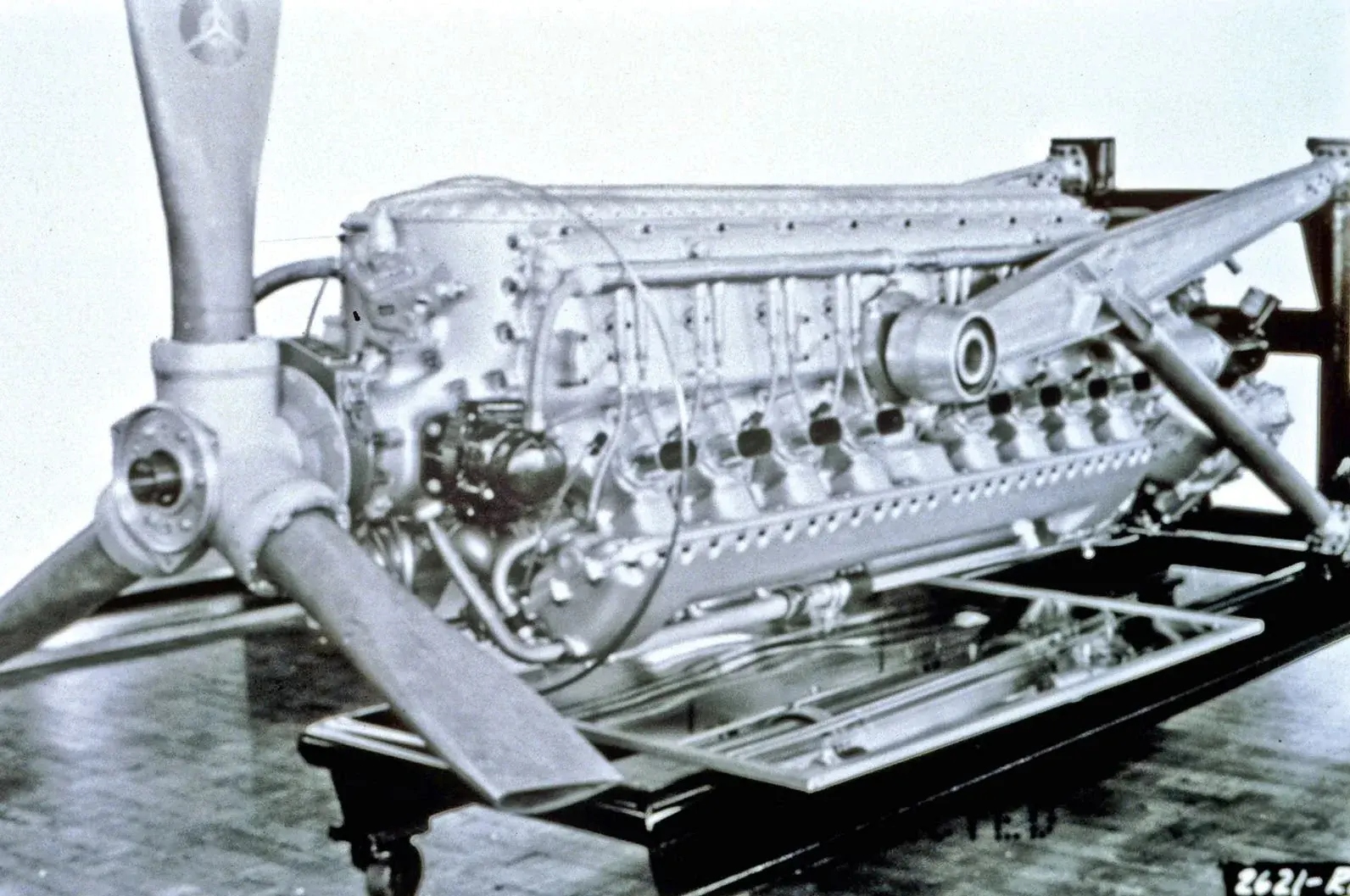
In reality, Chrysler originally developed this exact chamber geometry for the XIV-2220, an absurdly massive V16 monster intended to power America’s elite WWII fighter planes. The engine actually took flight inside a heavily modified P-47 Thunderbolt on July 26, 1945. Unfortunately for Chrysler’s military ambitions, WWII was wrapping up, the jet age was dawning, and the XIV-2220 was promptly tossed into the scrapheap of military history before ever seeing mass production.
Unwilling to let brilliant engineering rot, Chrysler stuffed that war-born architecture straight into a civilian production car. The result was a jaw-dropping output ranging from 325 to 390 HP and up to 435 lb-ft of torque. In an era when most family sedans struggled to reach highway speeds without overheating, the 390-hp Chrysler 300D stood at the absolute apex of global automotive performance.
Even French luxury coachbuilder Facel Vega dropped the 392 into the ultra-exclusive FV2, a car bought by Hollywood royalty like Ava Gardner, Tony Curtis, and racing legend Sir Stirling Moss.
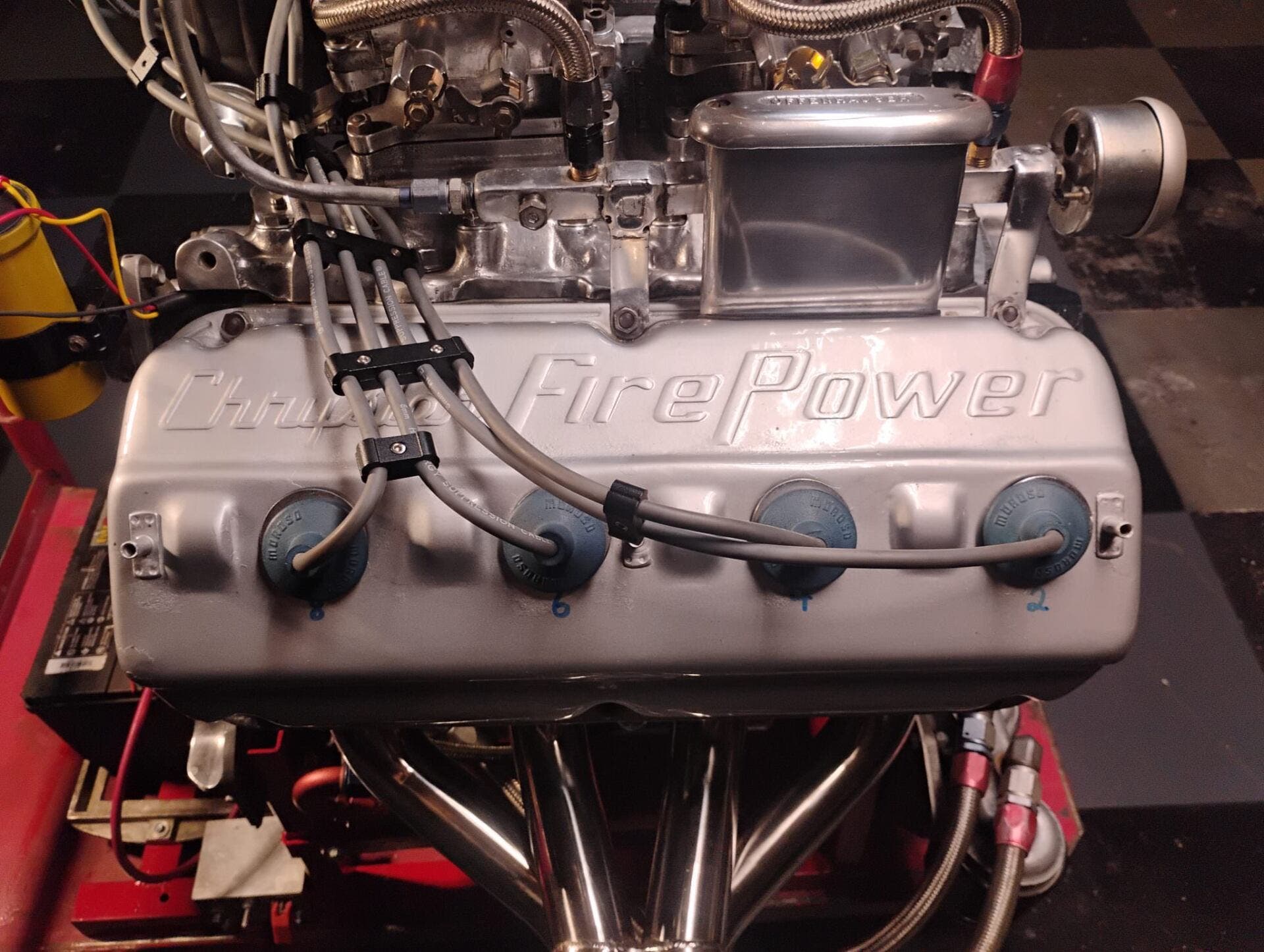
Naturally, the drag racing community immediately adopted the 392 as its holy grail. Even today, diehard tuners often prefer this vintage iron block over modern Chevrolet or Ford small-blocks thanks to its bombproof casting, astronomical tuning headroom, and endless aftermarket support. Without the original 392 laying the groundwork, the legendary 426 Hemi that obliterated NASCAR in the 1960s would never have existed.
Sure, Stellantis eventually resurrected the “392” badge for modern 6.4-liter engines pumping out 410 to 485 HP across Chargers, Challengers, Grand Cherokees, and Ram HD trucks. But those modern engines share virtually zero mechanical DNA with the 1950s original beyond a clever badge, a marketing brochure, and a whole lot of PR nostalgia.