

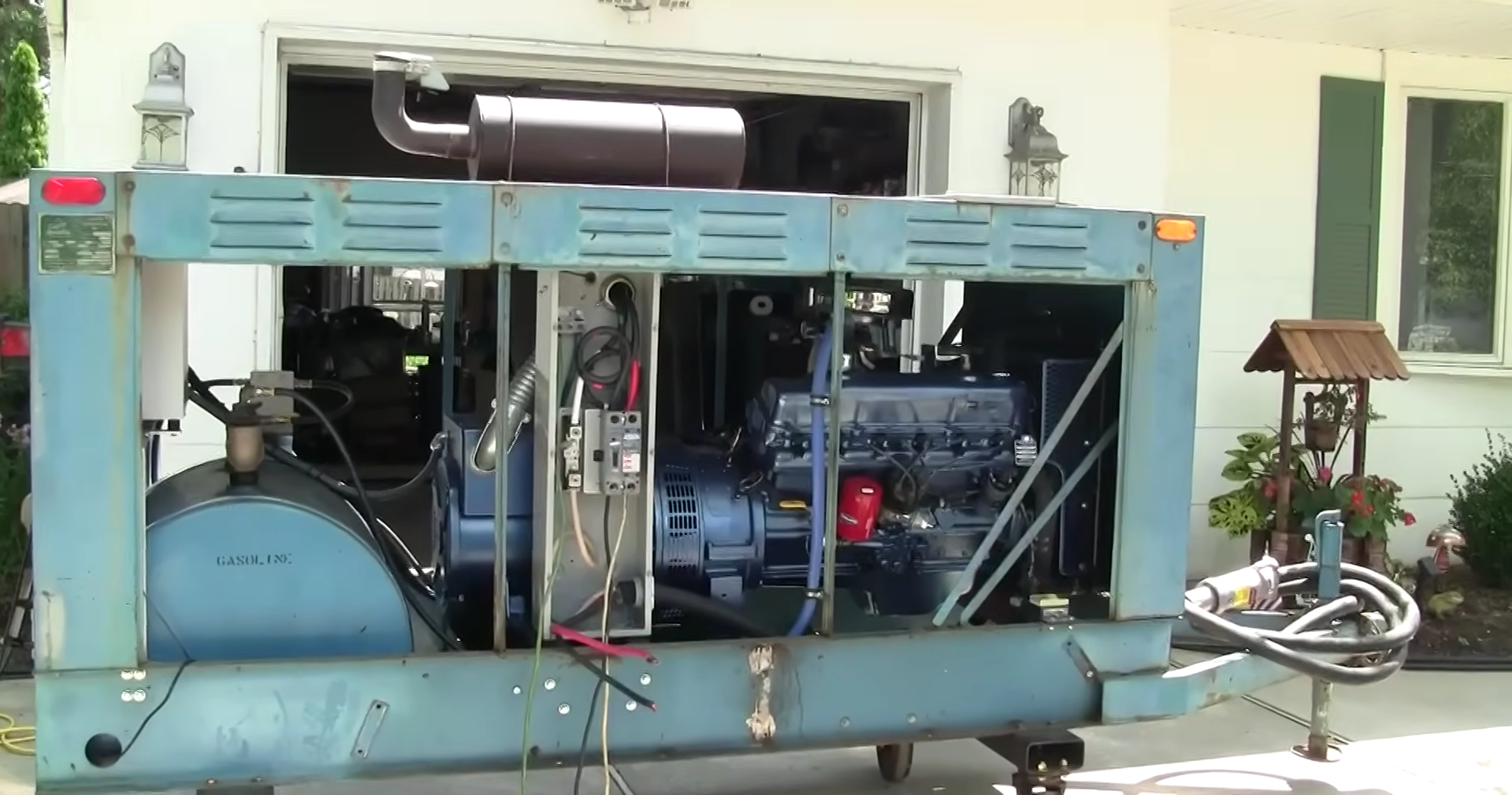
A 225-cubic-inch Chrysler Slant Six is still working far away from any engine bay, now serving as the heart of a home generator capable of producing up to 30 kW. The project featured by the YouTube channel SmallEngineMechanic gives one of America’s longest-lived inline-six engines a new purpose by pairing it with modern components while keeping its signature angled layout clearly visible.
This 1976 Chrysler Slant Six now powers an entire house
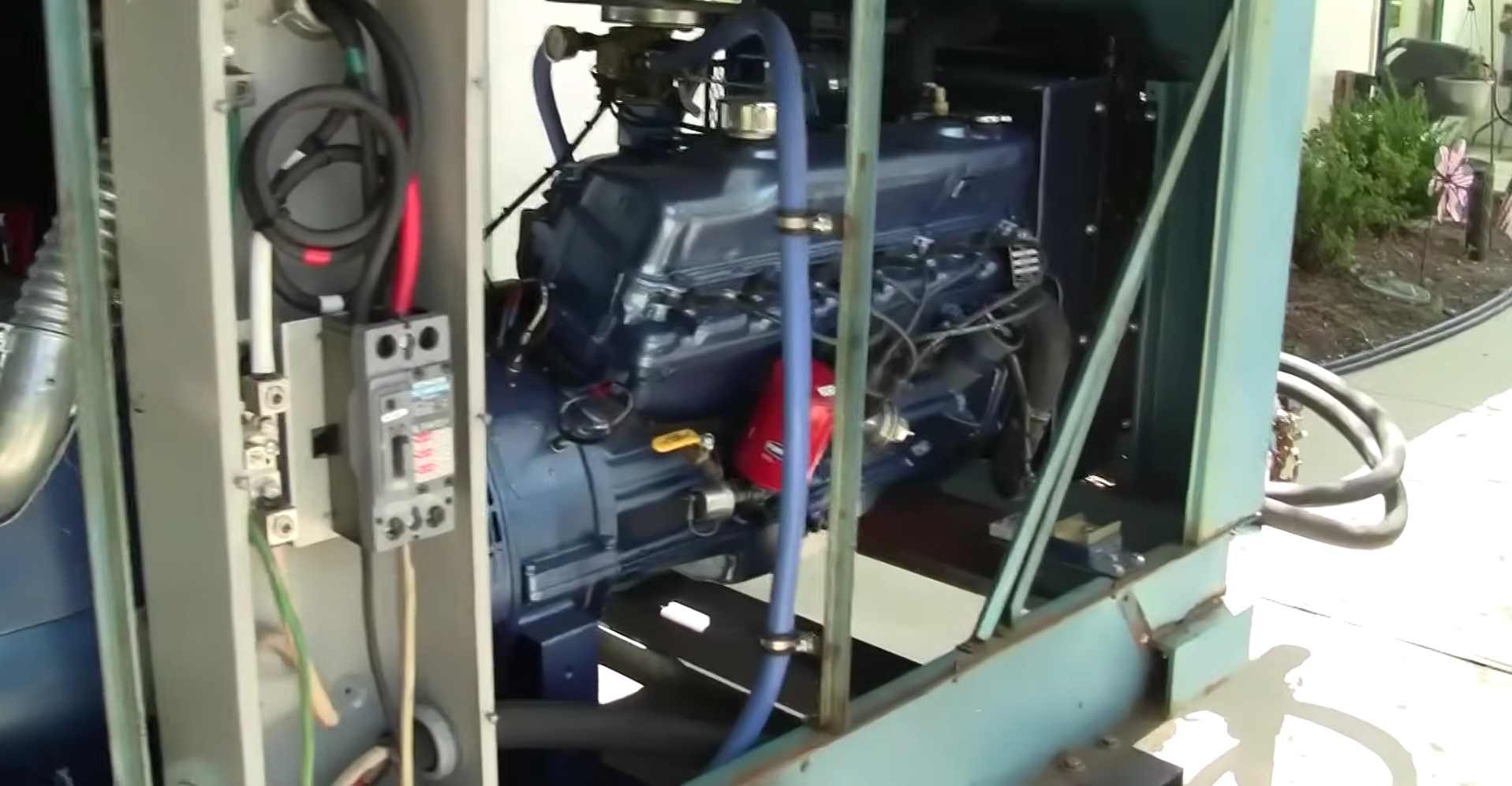
The roughly 3.7-liter engine gets its name from cylinders tilted 30 degrees from vertical, a design that allowed Chrysler to reduce overall engine height and create more room for the intake system. Chrysler used the Slant Six for decades in cars, vans, pickups and work vehicles, where it earned a reputation for durability and for handling long periods of use with relatively simple maintenance.
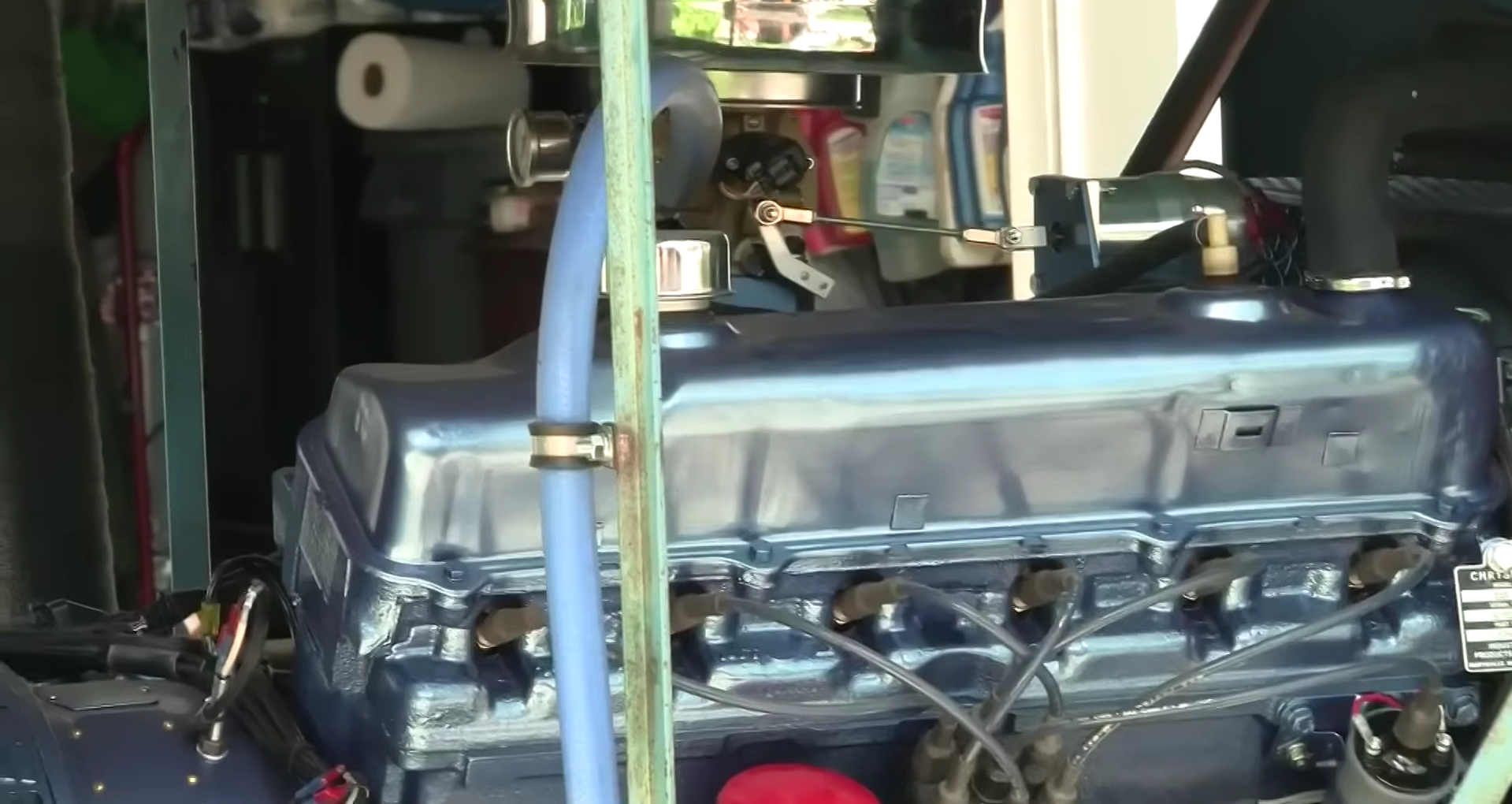
The engine installed in this generator received an extensive rebuild. The builder bored the cylinders 0.060 inch over, replaced the pistons, rings and bearings, and fitted new oil and water pumps. The cylinder head also received a full overhaul, while a Holley Sniper EFI electronic fuel-injection system replaced the original carburetor. The engine runs on gasoline and sits on a mobile frame that also carries the cooling system.
No one has measured the engine’s current output, although production versions of the 225 typically produced around 145 to 180 hp, depending on the year and configuration. In this application, however, outright horsepower matters less than the ability to maintain a steady engine speed under load. The Slant Six drives a single-phase Stamford alternator controlled through a Basler DGC 2020 digital controller.
Its available 30 kW easily exceeds the 9.6 kW that a Ford F-150 Lightning can deliver through the Pro Power Onboard system, although the comparison only highlights the difference in maximum rated output. The Chrysler setup functions as a dedicated stationary generator, while the electric pickup uses energy from its traction battery without running a combustion engine.
A recent issue also showed how relatively simple the setup can be to repair. The inline-six began misfiring after around 20 minutes because of a faulty ignition coil. Replacing the component and adjusting the speed governor gain restored proper operation, which the builder later verified using a mobile military-surplus load bank.