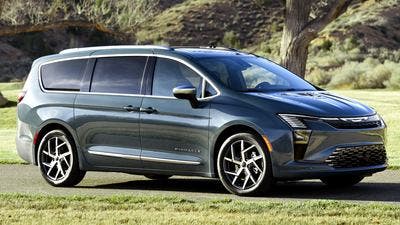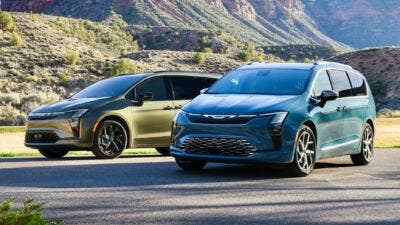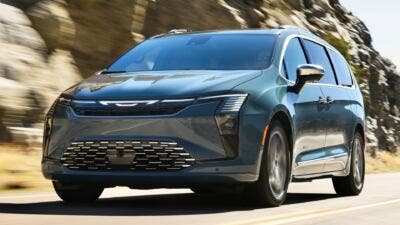
A potentially faulty brake pedal sensor has prompted FCA US to recall 2,017 Chrysler vehicles in the United States. The campaign covers the Pacifica, Voyager and Pacifica Plug-In Hybrid, where the defect could disable electronic stability control. Dealers will inspect the sensor and replace it when necessary at no cost to owners.
FCA US recalls 2,017 Chrysler vehicles over ESC-related sensor defect
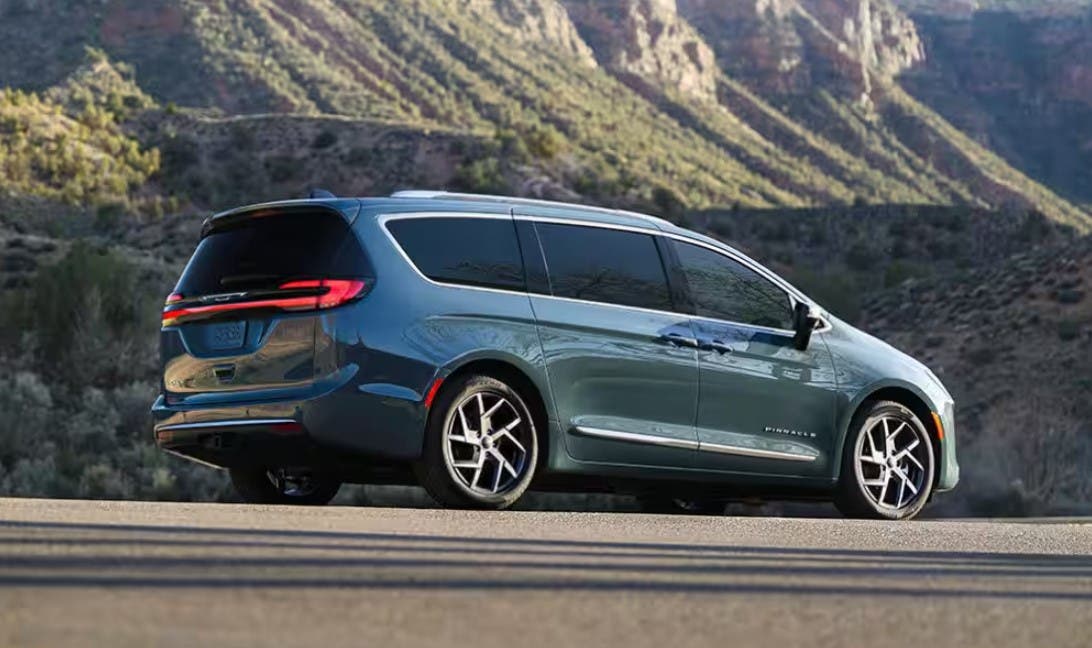
The issue involves a capacitor inside the sensor that may develop a crack on some vehicles and interfere with normal operation. According to the recall documentation, the defect could deactivate the ESC system, although the vehicle would retain normal braking capability. Stability control helps keep the vehicle on the driver’s intended path by selectively applying the brakes to individual wheels when necessary.
The problem does not provide an advance warning. If ESC becomes unavailable, the corresponding warning light will illuminate on the instrument cluster. Losing stability control can increase the risk of a crash in situations where the system would normally help the driver maintain control. Owners have not received instructions to stop driving the vehicles or park them outdoors.
The largest group includes 1,652 Pacifica models from the 2025 and 2026 model years, built between June 28 and October 31, 2025. The recall also covers 357 Voyager models from the same model years, produced between June 28 and October 29, 2025, along with eight 2026 Pacifica Plug-In Hybrid vehicles built between September 11 and October 25, 2025.
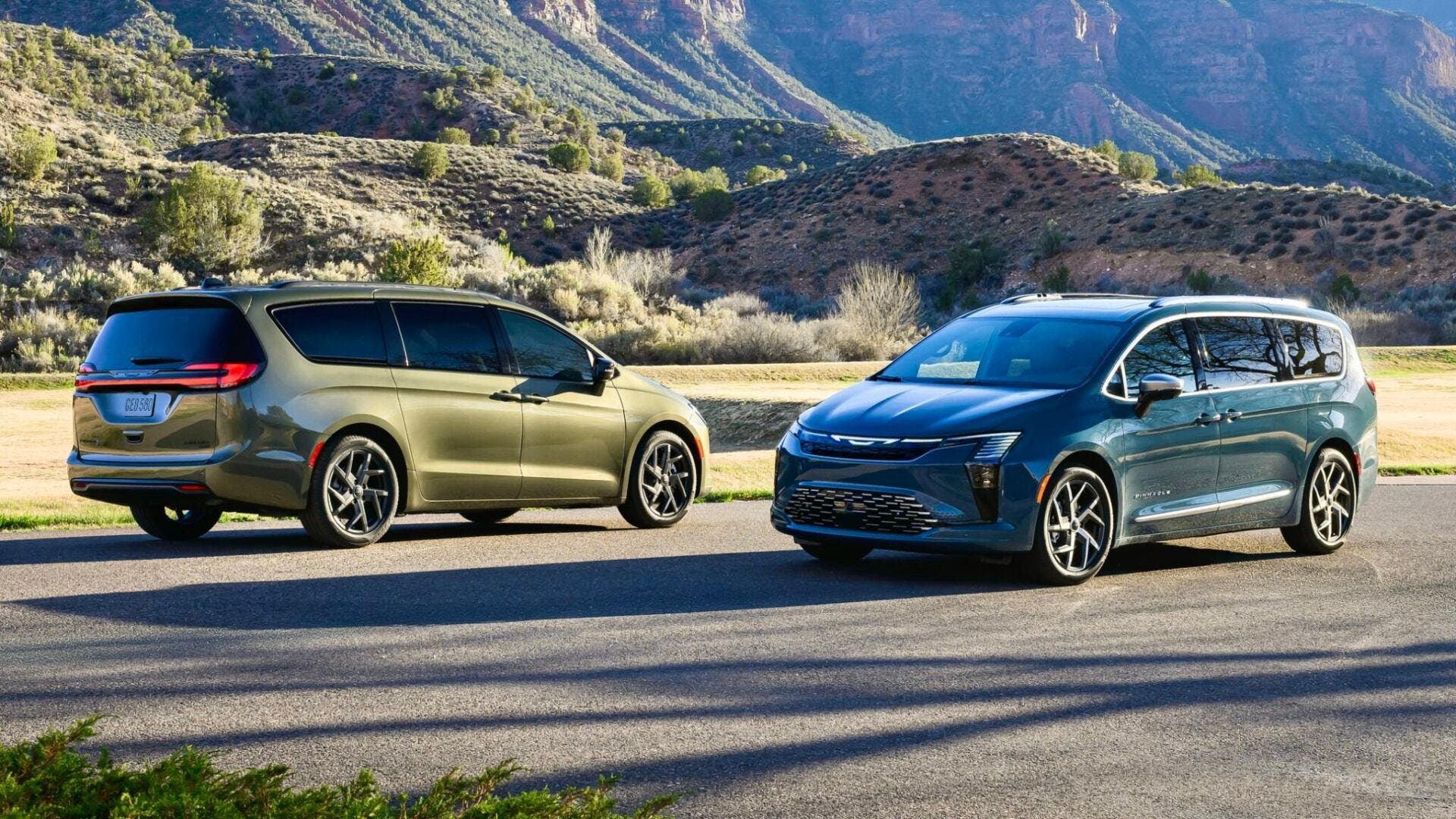
Production records and information supplied by CTS Corporation helped identify the vehicles that require inspection. The automaker estimates that roughly 10 percent of the recalled vehicles actually contain the defective part. The affected brake pedal sensor carries part number 68236598AA.
The investigation began on March 25, 2026 and continued over the following months with technical checks and reviews of field reports. Chrysler’s parent company decided to issue the recall on August 26 and submitted the required documentation to the National Highway Traffic Safety Administration on September 1.
The campaign carries code 69D internally, while NHTSA lists it as 26V-561. Owner notification letters should begin going out on September 29, 2026, and NHTSA planned to make affected VINs searchable in its database starting on September 9.