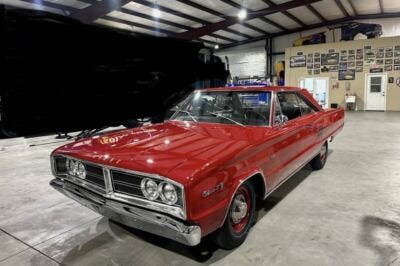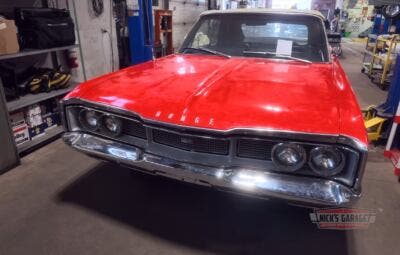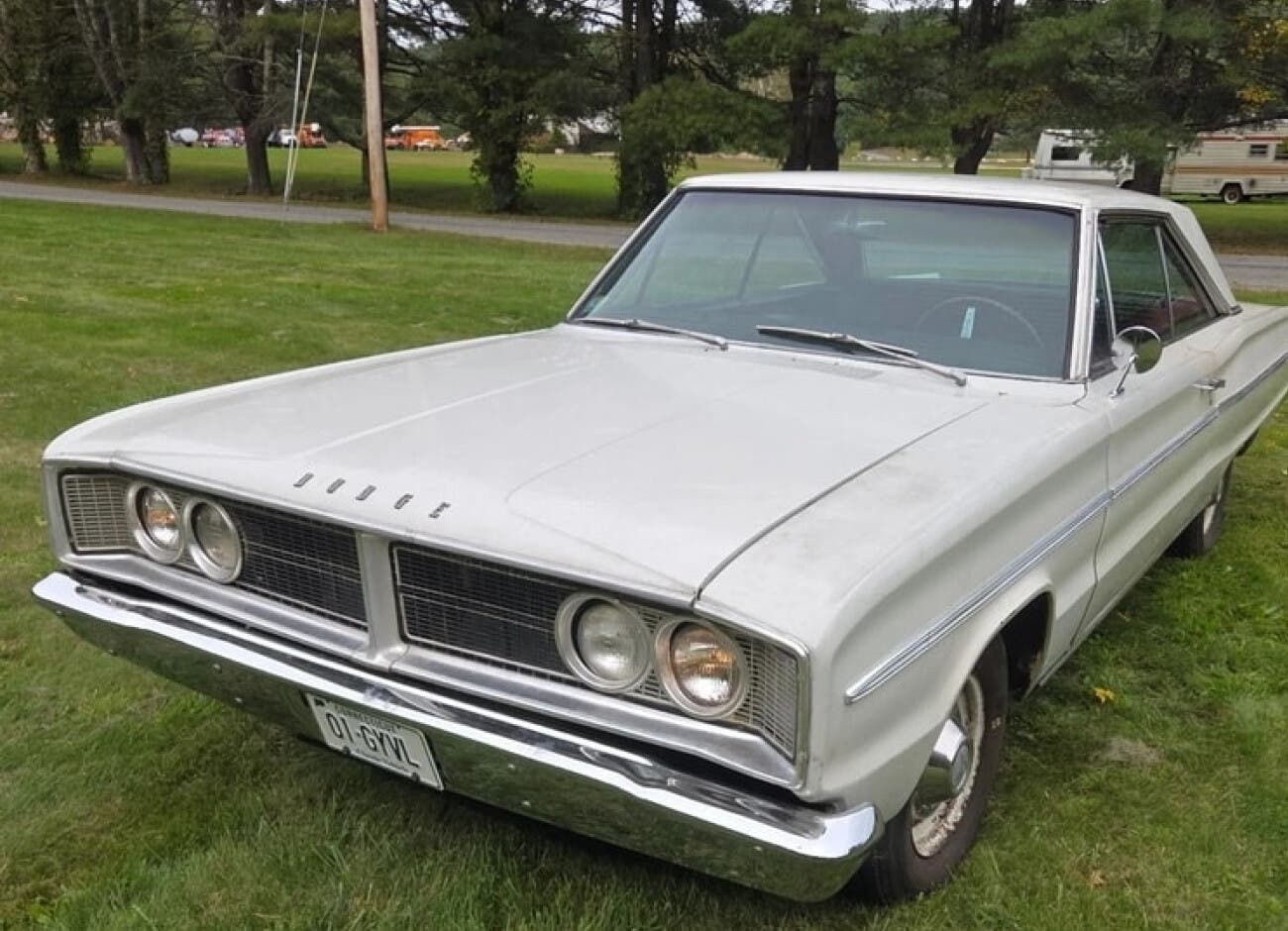
I swear on the sacred altar of unburned high-octane fuel that 1966 Hemi Coronets aren’t growing in a secret orchard and falling into my lap, but here we are with yet another one. The current owner of this particular B-body classic clearly subscribes to the extreme version of the KISS principle, Keep It Short and Simple, treating their eBay listing with all the enthusiasm of someone filling out a tax form.
The description is so brief it reads like a ransom note, yet Mopar fanatics need no romantic prose when the magic words “426 Hemi” enter the room. Bids have already blasted past $40,000 with a few days left.
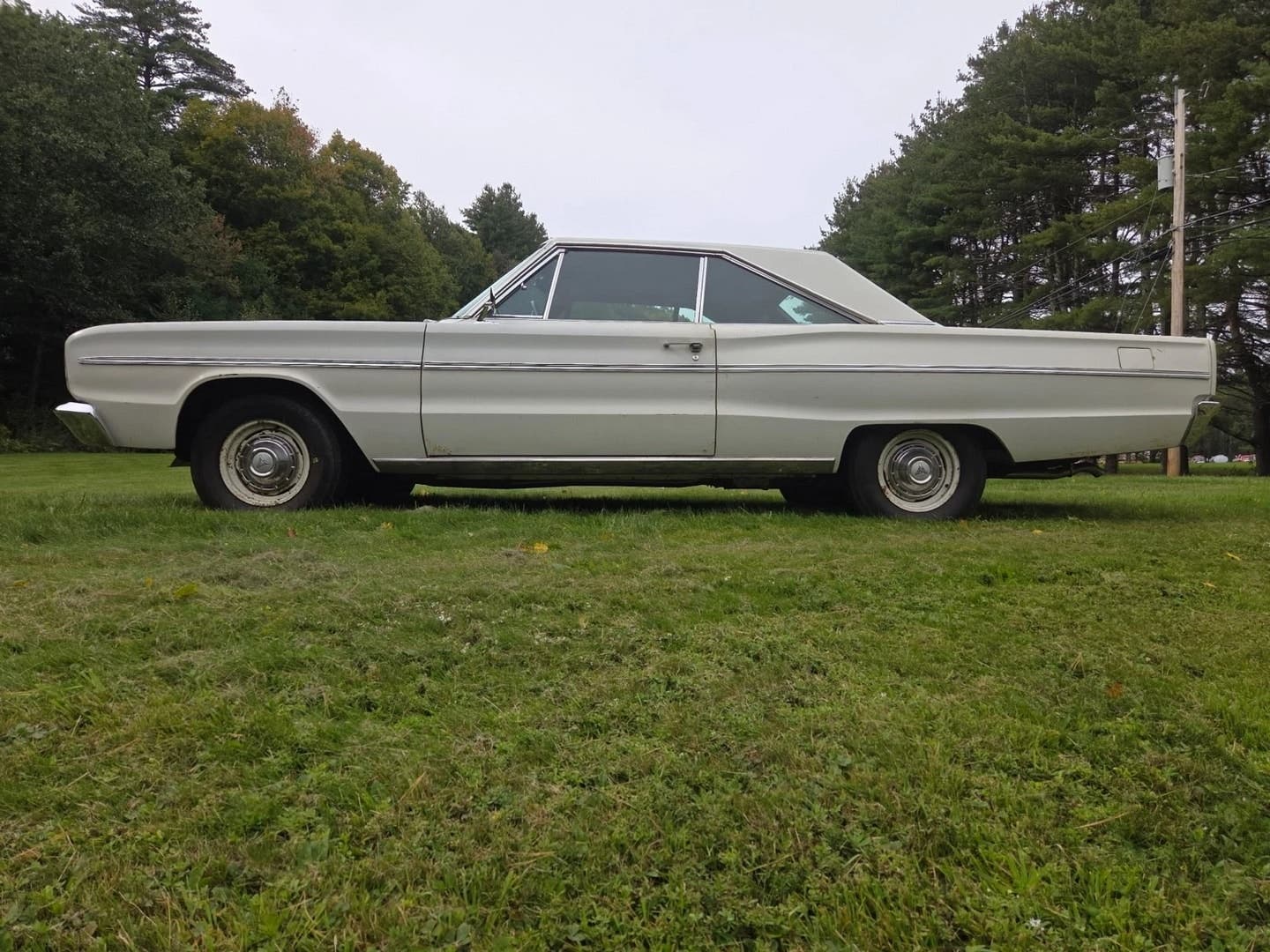
To appreciate this machine, one must first untangle the badge math. Dodge revived the Coronet nameplate in 1965 on Chrysler’s mid-size B-body platform. The “440” moniker had nothing to do with engine displacement, but rather designated the mid-level trim package sitting above the base model and right below the fancy Coronet 500.
Between 1965 and 1970, Dodge pumped out 1,185,136 Coronets, with the popular 440 trim accounting for 566,571 units (nearly 48%). 1966 was the undisputed zenith, generating 250,000 total Coronets, 110,600 of which wore the 440 badge. Buyers could choose anything from a humble 225 Slant Six up to a 383, but the real headline arrived mid-year when Chrysler detuned its terrifying race motor for public roads.
The legendary 426 Street Hemi, sporting dual four-barrel carburetors and delivering an asphalt-tearing 425 HP and 490 lb-ft of torque, added a massive $907 to a $2,500 base car. Consequently, only 740 Coronets across all trims received the “Elephant” motor in 1966.
That brings us to the actual unicorn hiding behind this terse auction. Out of only 294 Coronet 440s fitted with the 426 Hemi, 288 were hardtops like this one (and six were convertibles). Among the hardtops, a mere 96 came with a three-speed automatic, while 192 received the four-speed manual.
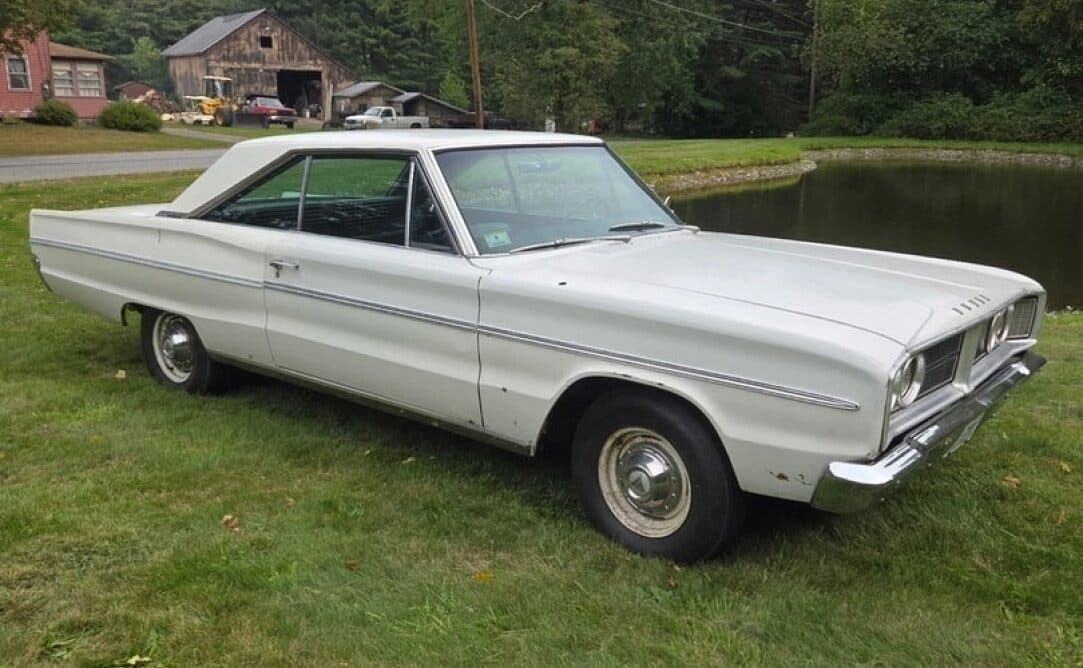
This specific survivor is a verified numbers-matching treasure with a fully rebuilt engine and transmission, factory-correct exhaust, and 80 percent original paint. The odometer shows a ludicrously low 11,310 miles, suggesting it was either coddled like a museum piece or spent its youth destroying quarter-miles. Best of all, it carries a complete paper trail documenting its entire existence since 1966.