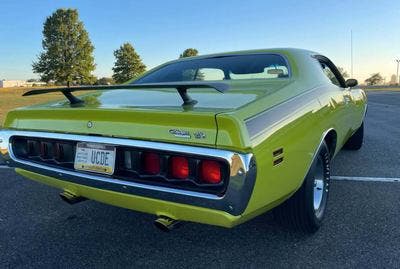
In 1971, Detroit was staring into the abyss of strict emissions mandates and crippling insurance surcharges, but Dodge gave the muscle car era one last heroic, tire-shredding hurrah. For that solitary model year, the rowdy Super Bee moniker migrated to the redesigned third-generation Charger platform, wrapping its aggressive attitude in sweeping fuselage body lines, a semi-fastback roofline, and a menacing split front grille.
Back when hesitant buyers balked at its $3,271 base price, no one realized they were witnessing a single-year wonder. Today, that initial sales slump has elevated these heavyweights into holy-grail Mopar artifacts.
While Dodge offered the ubiquitous 383 V8, the nimble 340 small-block, the legendary 426 Hemi (22 built), and the triple-carbureted 440 Six-Pack (90 built), the true unicorn of the lineup was the U-code 440 big-block.
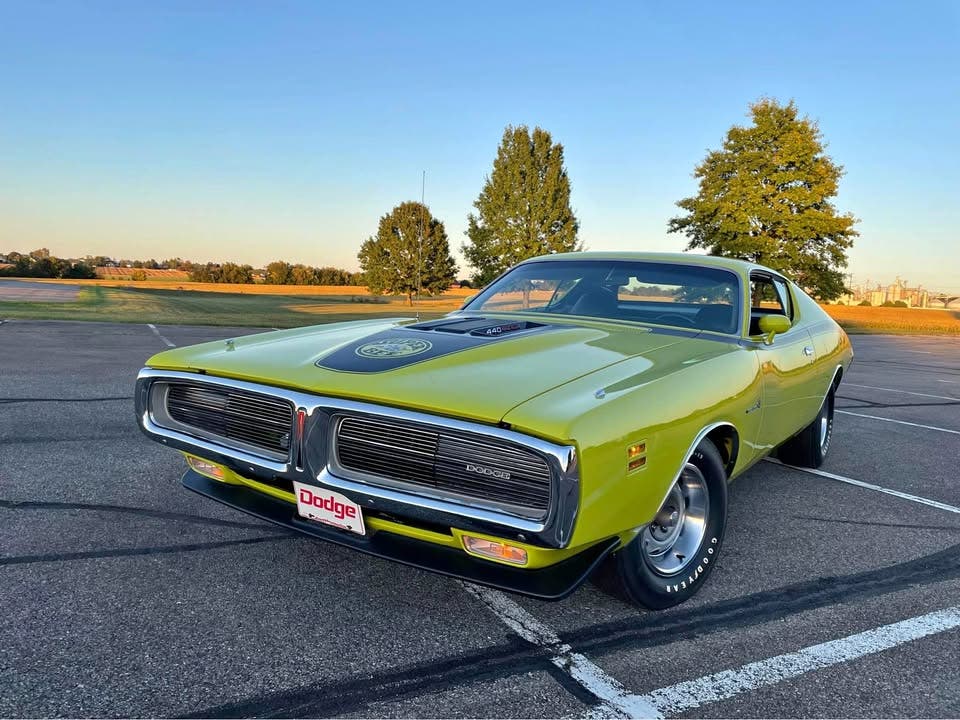
Breathing through a single four-barrel carburetor, this 375-horsepower, 480-lb-ft Magnum V8 was stuffed into just 26 Charger Super Bees. Automotive registries indicate that only seven documented U-code examples survive today, making a recent Facebook Marketplace discovery in factory GY3 Citron Yella paint feel like a cosmic event for diehard gearheads.
This particular survivor spent its life shielded from harsh winter road salt in California, passing through the hands of just two meticulous caretakers over 43 years. Factory options include air conditioning, concealed headlamps, a Torqueflite automatic with the iconic Slap-Stik shifter, and an 8.75-inch rear axle running 3.55 gears, the perfect compromise between off-the-line acceleration and manageable highway cruising.
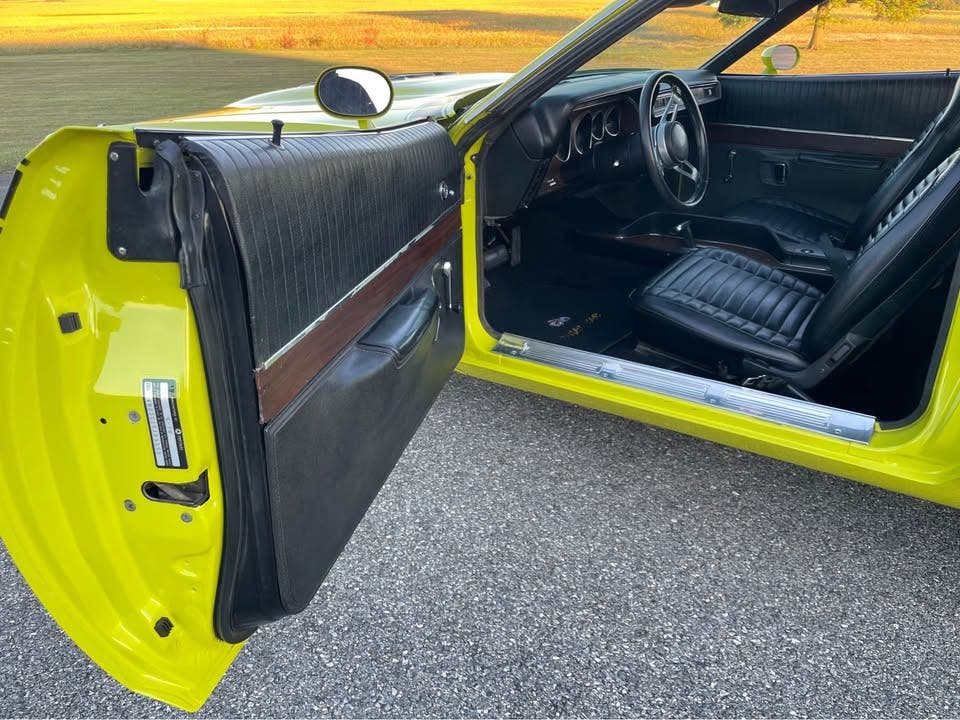
Period road tests lamented curb weight ballooning past 4,000 pounds, but what it lost in pure sprinting agility, it gained in cornering stability and undeniable street presence.
Currently sporting honest driver-grade wear the car runs powered by a rebuilt 1974 block with Flowmaster exhaust. However, its ultimate treasure lies in storage: the untouched, valuable numbers-matching original U-code 440 engine and factory transmission remain completely intact.
Fresh off an appearance at the 2024 Carlisle Chrysler Nationals, this rare beast had its asking price slashed from $79,000 to $65,000. Considering the median auction value for third-gen Super Bees sits around $74,213 and pristine examples top $100,000, paying well below market price for a 1-of-26 Mopar might just be the smartest financial move a collector can make.