

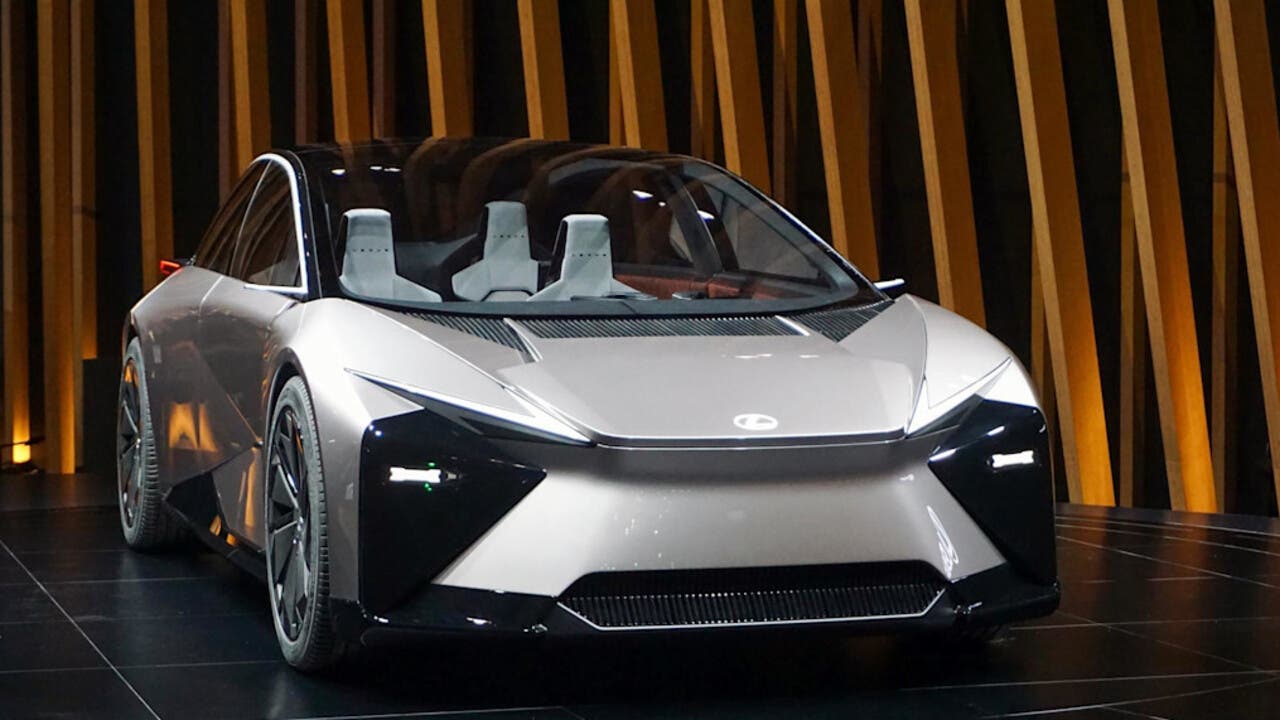
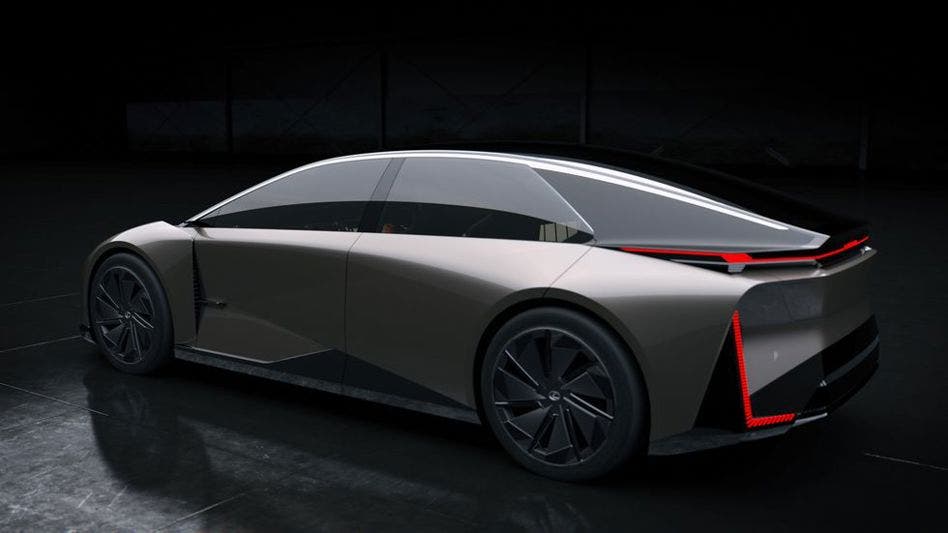
Toyota has officially canceled the Lexus LF-ZC, the next-generation electric flagship that was supposed to spearhead a brave, ambitious new world for its premium brand. This is a massive reality check for the entire industry.
The LF-ZC, shorthand for Lexus Future Zero-emission Catalyst, was hyped at the 2023 Japan Mobility Show as much more than a design study. It was Japan’s ultimate, gigacasting-fueled answer to Tesla’s manufacturing supremacy, promising a 1,000-kilometer range, self-driving factory assembly lines, digital twins, and advanced prismatic batteries designed to push Lexus toward selling a million EVs a year by 2030.
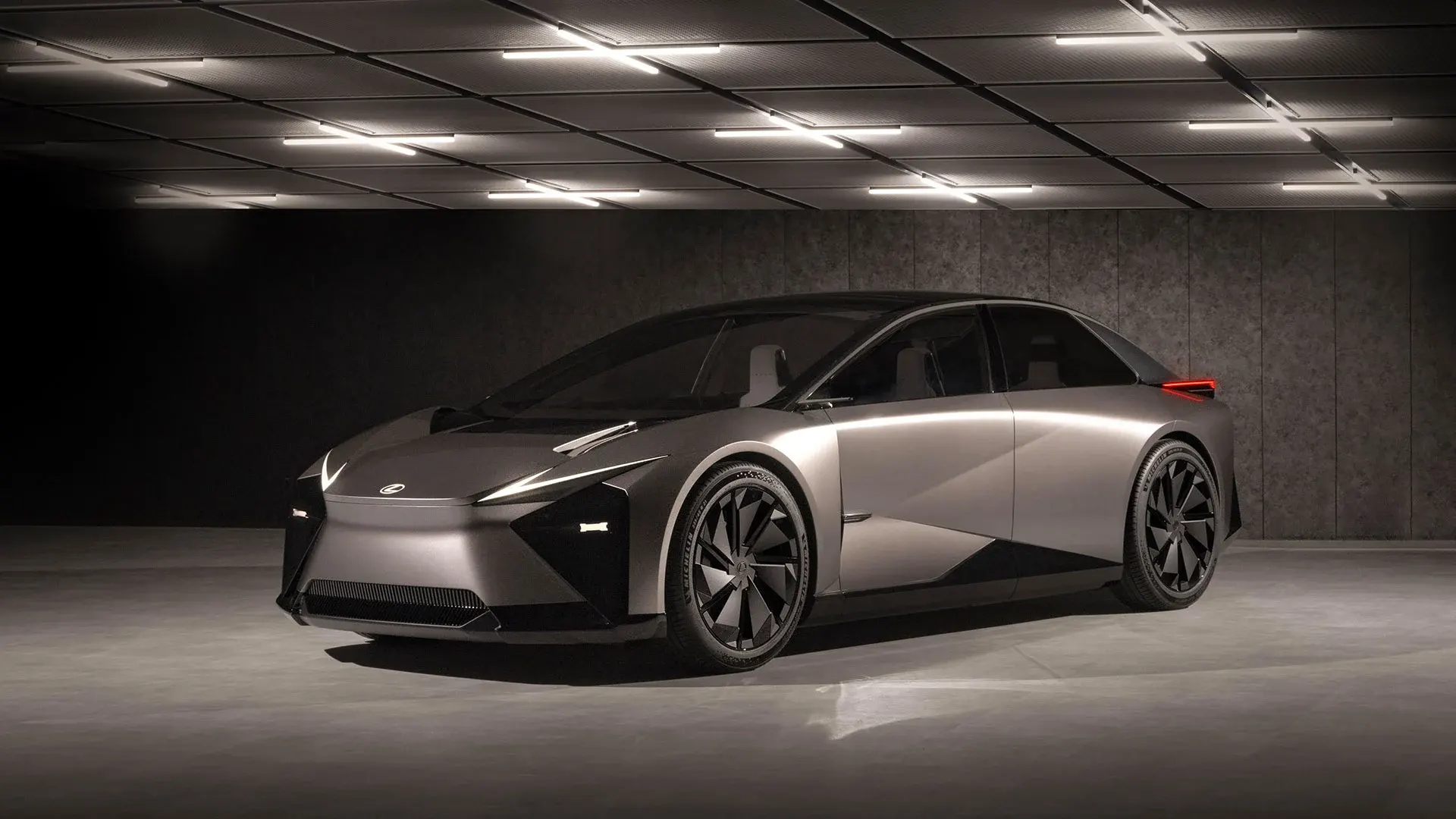
Toyota officially blames “demand fluctuations” and overwhelming production planning workloads for the sudden axing. Building an ultra-expensive, bespoke electric architecture for a low-volume luxury car is a fantastic way to incinerate cash without ever recovering the investment.
While rivals foolishly burned billions chasing immediate, unconditional electrification, Toyota’s legendary hesitation has once again saved its balance sheet. Pure electric vehicles accounted for a measly 188,785 units last fiscal year across both Toyota and Lexus, a microscopic 1.8% of the group’s 10.5 million global sales.
Enter Kenta Kon, Toyota’s new CEO. Hailing straight from the finance department and facing a recent dip in company profits, Kon isn’t here to fund romantic tech showcases. He is here to protect margins, meaning vanity projects like the LF-ZC are the first to get the chop. This doesn’t mean Toyota is completely abandoning batteries; it is just mitigating risks by playing it safe.
Instead of bespoke EV platforms, look no further than the newly unveiled Lexus TZ. This upcoming three-row electric SUV for the US market completely shuns dedicated electric architecture, opting instead for the heavily amortized TNGA-K platform, the exact same bones underpinning the mundane Toyota Camry and Highlander. It keeps investments low, factory lines flexible, and leaves the door wide open for future hybrid variants. The dream of an all-electric Lexus by 2035 might still exist on marketing slides, but financial pragmatism has officially re-entered the chat.