

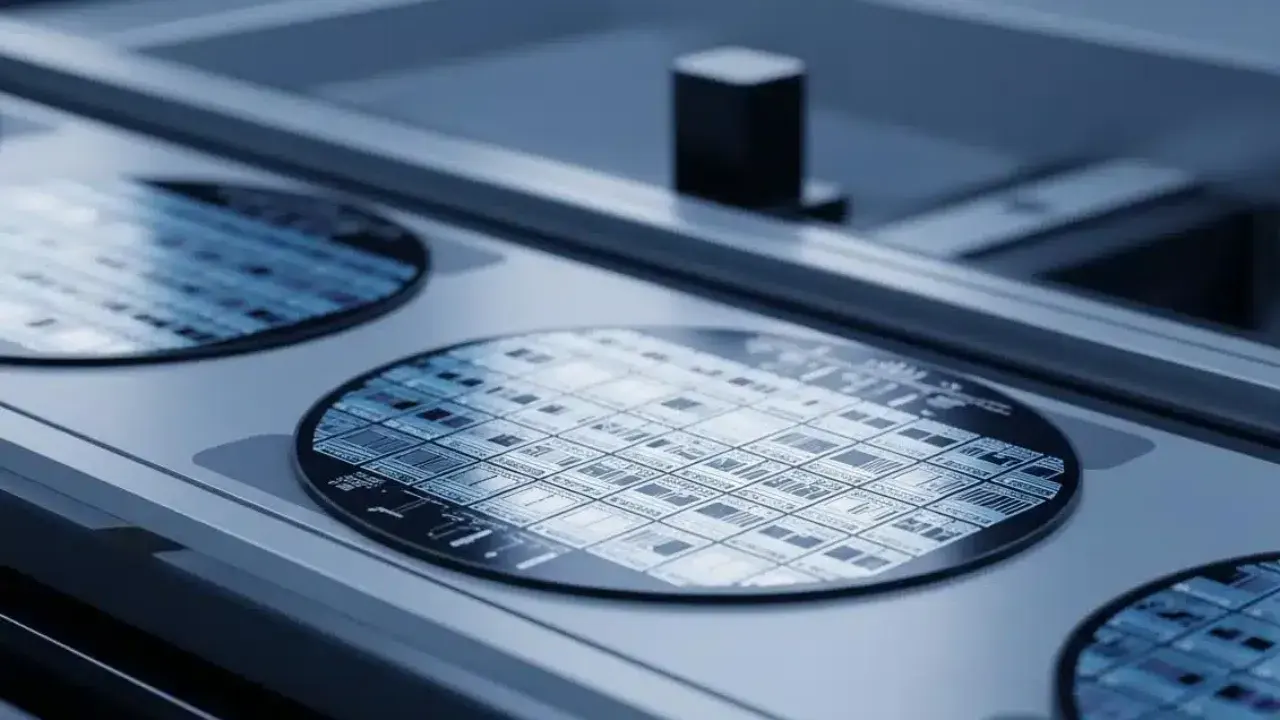
Seven days, that’s all it takes, apparently, for Elon Musk to launch a project that could reshape the entire AI chip supply chain. Tesla’s CEO announced over the weekend that the company’s so-called Terafab, a manufacturing facility dedicated to producing artificial intelligence chips, is set to go live within a week. Whether that means a ribbon-cutting ceremony, a social media post, or an actual operational plant is, as of now, anyone’s guess.
The backstory matters. Musk has been vocal for months about Tesla’s growing frustration with external chip suppliers. At last year’s annual shareholder meeting, he put it plainly: even in the best-case scenario, what TSMC, Samsung, and potentially Intel can deliver still falls short of what Tesla needs. “It’s not enough”, he said. And when Elon Musk says something isn’t enough, he doesn’t call a consultant.
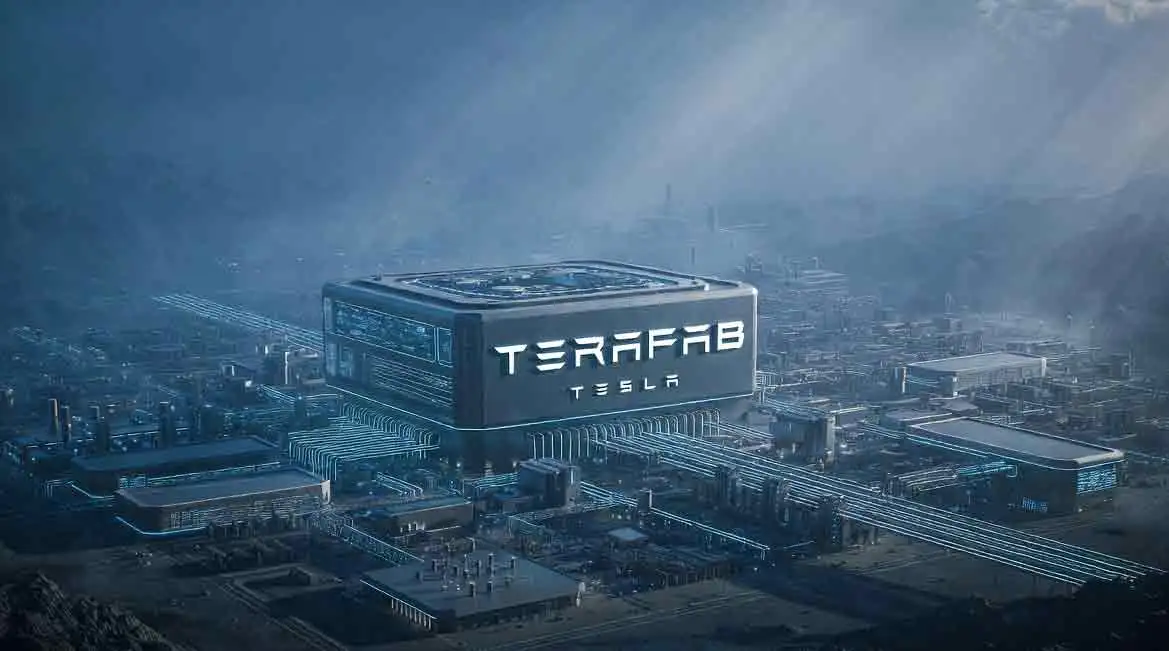
Enter the Terafab. Think Gigafactory, but bigger. Much bigger. The name alone sounds like something out of a science fiction franchise, which, given Tesla’s track record of turning fiction into press releases, might not be a coincidence.
At the core of all this is Tesla’s fifth-generation AI chip, AI5, designed to power the next evolution of the Full Self-Driving software and, more broadly, Tesla’s entire autonomous driving ambition. The current hardware isn’t cutting it at scale. So the logical solution, Musk-style, is to vertically integrate chip production the same way Tesla vertically integrated everything else. Batteries, software, insurance, and apparently now semiconductors.
Partnerships with TSMC and Samsung remain active, and Intel was floated as a possible collaborator. Tesla didn’t respond to Reuters‘ request for comment on Terafab details, which is either a sign of extreme confidentiality or extreme chaos. Possibly both.
What’s clear is this: the AI chip race is no longer just a Silicon Valley story. It’s an automotive story. And Tesla, once again, is trying to write the ending before anyone else has finished the first chapter.