

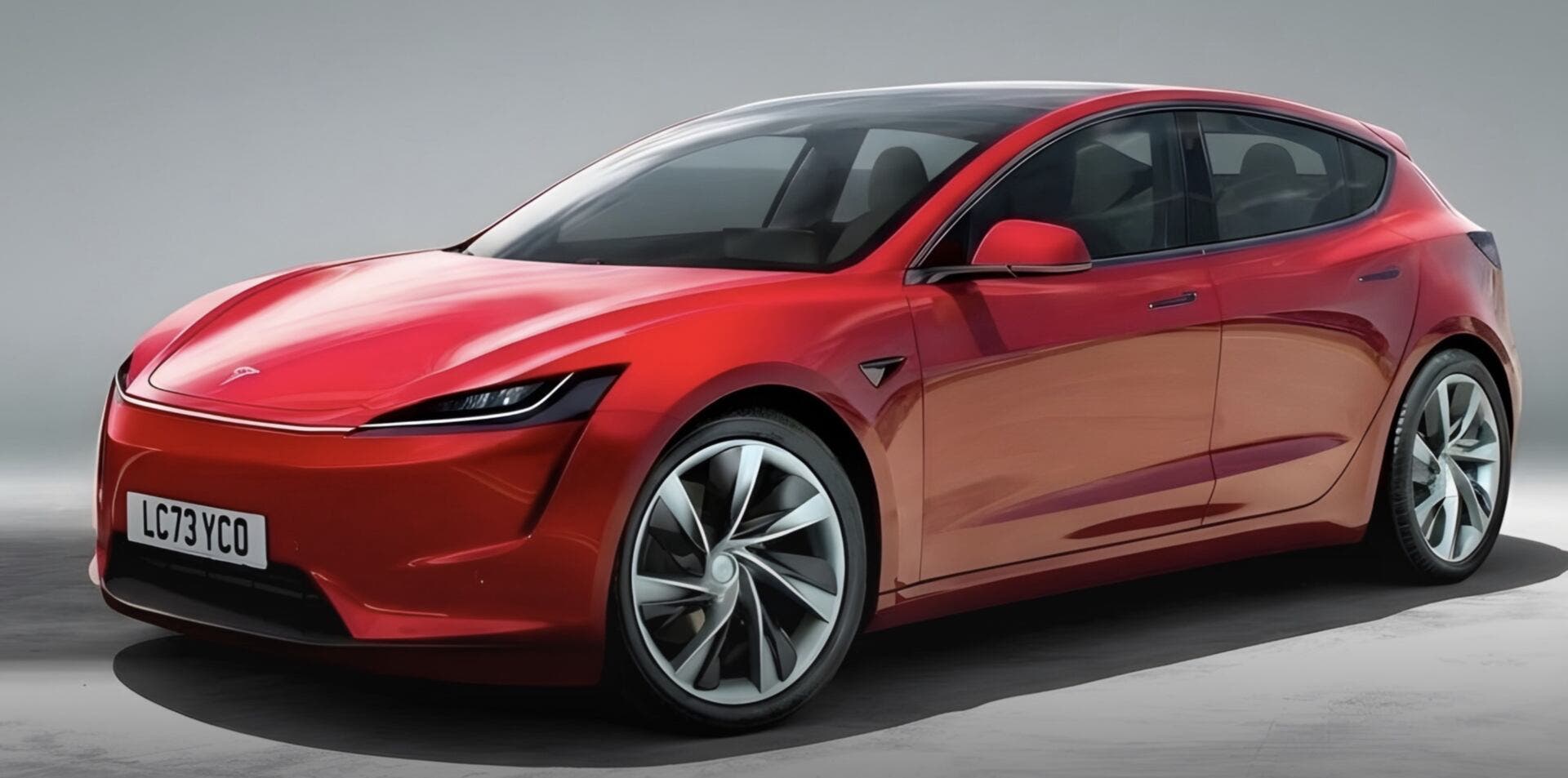
Tesla has denied reports that it is developing a small, affordable electric SUV, doing so just one day after Reuters published a story describing the project and citing four sources familiar with the matter. In a statement reported by the Chinese financial outlet Cailian Press, the company dismissed the market claims about a smaller and more accessible model positioned below its current lineup as inaccurate.
Tesla denies the $25,000 SUV rumor, but the questions are not going away
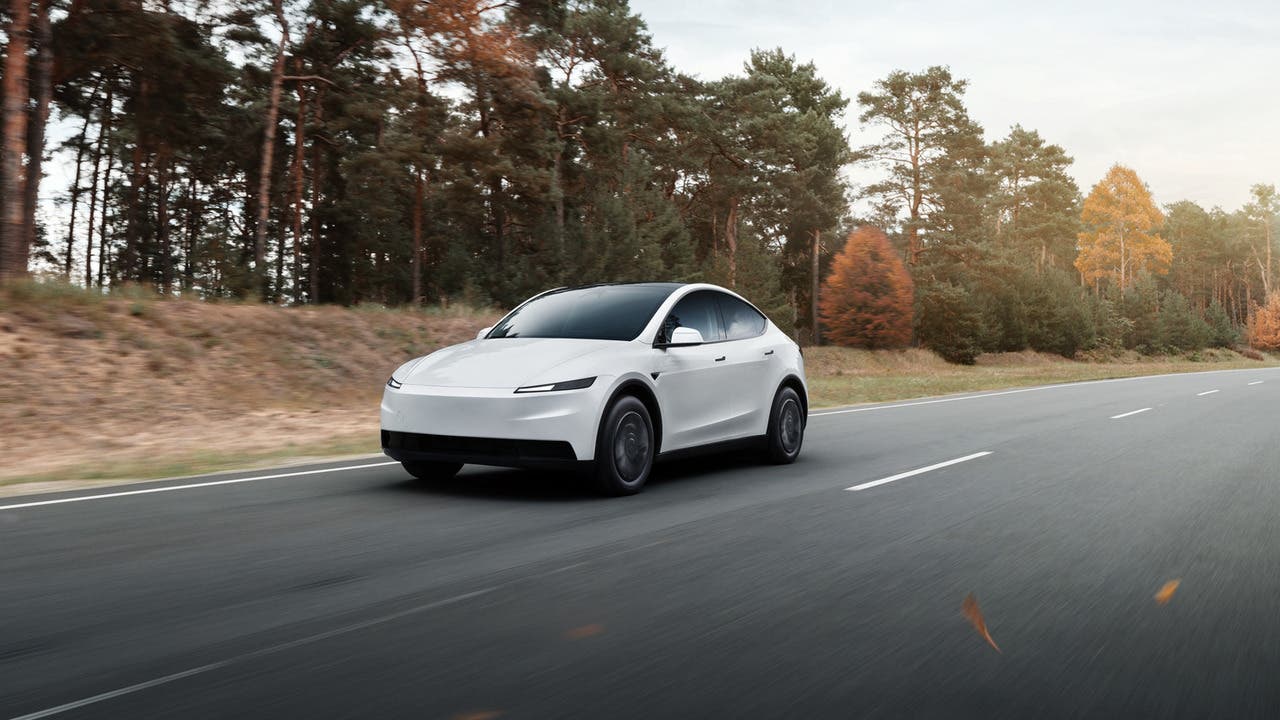
According to Reuters, the vehicle would have measured about 4.28 meters in length, much shorter than the Model Y at 4.79 meters, and would have used a smaller battery, a single electric motor, and a curb weight of around 1.5 tons. The report also said Tesla would have priced it below the Model 3 currently sold in China. Reuters’ sources added that Tesla could have started production at Gigafactory Shanghai before possibly extending it to the United States and Europe, although they also described the project as still being in an early phase with no production launch expected in 2026.
Even so, not everyone is convinced by Tesla’s denial. On more than one occasion, both the company and Elon Musk have rejected media reports that later turned out to be at least partly accurate. The clearest example concerns the affordable EV project itself. Musk once called Reuters’ report about Tesla shelving that program false, yet later reporting suggested that Tesla really had scaled the plan back in favor of the robotaxi. Tesla China has followed a similar pattern in other cases, including earlier reports about the Cybertruck’s approval path for the Chinese market, stories that the company initially denied before later developments pointed in the same direction.

Reuters based its report on four independent sources and included technical and industrial details specific enough to make it difficult to dismiss the entire story as simple speculation. It is also entirely plausible that Tesla already has an early-stage project under internal development without wanting to acknowledge it publicly. Past precedent suggests caution before treating the matter as fully closed.