

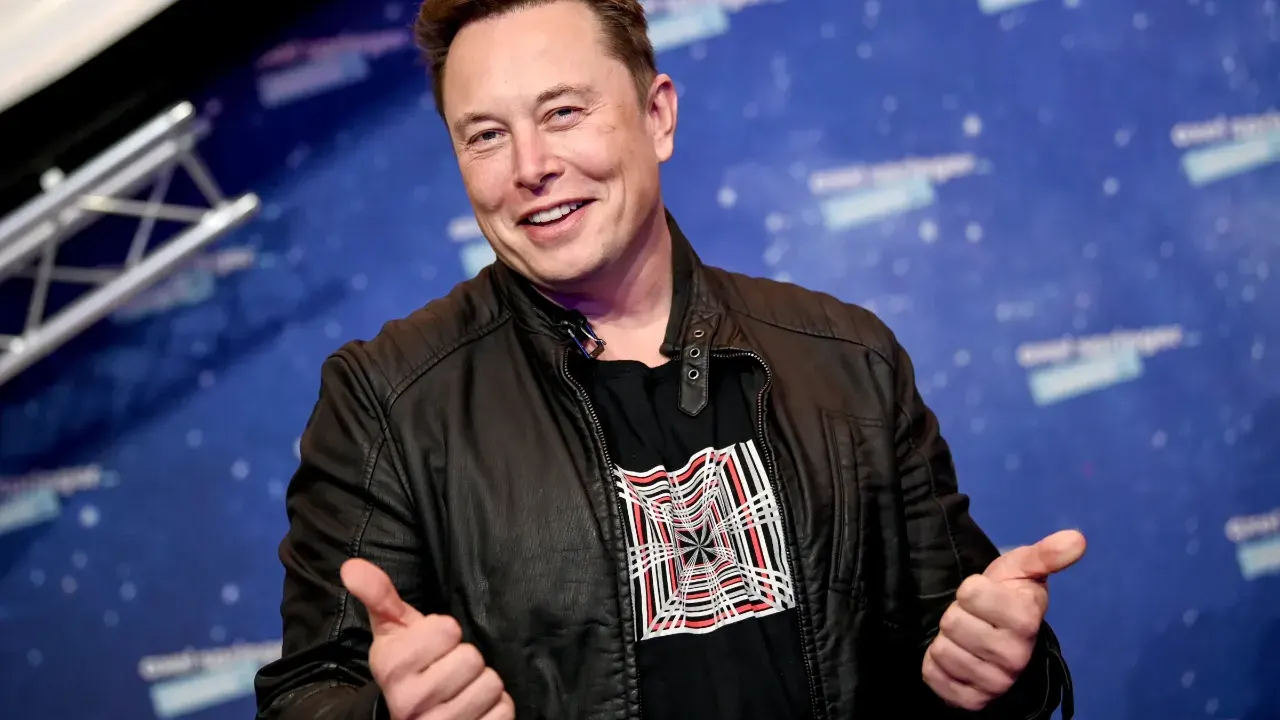
Elon Musk has once again criticized the European auto industry in a recent interview, arguing that the continent’s automakers continue to move too slowly on innovation. The Tesla CEO said many current European cars still look too much like the cars they sold five years ago, without truly meaningful changes in either technical substance or user experience.
Elon Musk says Europe’s auto industry still is not innovating fast enough
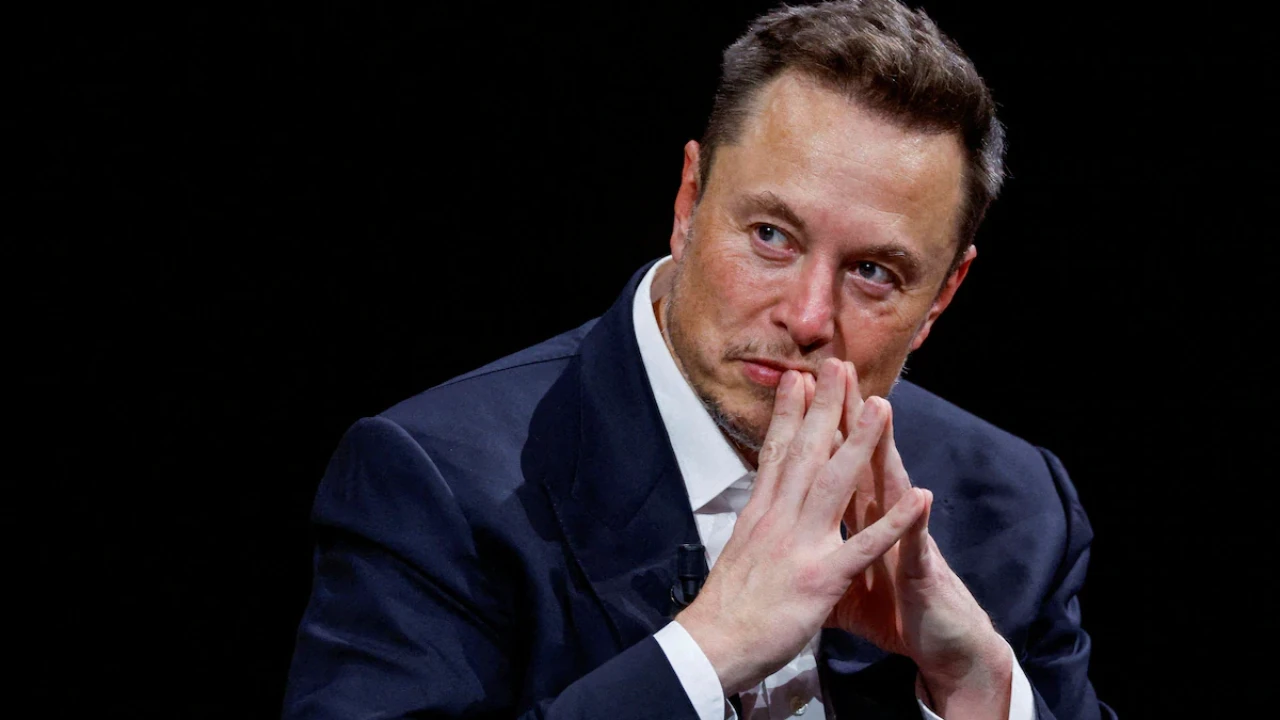
Musk directed that criticism at the European industry as a whole. In his view, automakers there stayed in their comfort zone for too long and slowed the introduction of new solutions at exactly the moment when the global market was accelerating, driven in large part by Chinese manufacturers that now move much faster in platform development and lineup renewal.
Musk also used the interview to restate his broader vision for the future of the car, a position he has never softened. In his view, the future still belongs to electric vehicles, a technology that he believes already beats internal combustion in several areas, from efficiency and maintenance simplicity to the overall onboard experience. Musk also argued that autonomous driving will bring the real transformation of the industry, to the point that within about a decade, traditional driving could become an increasingly marginal habit.
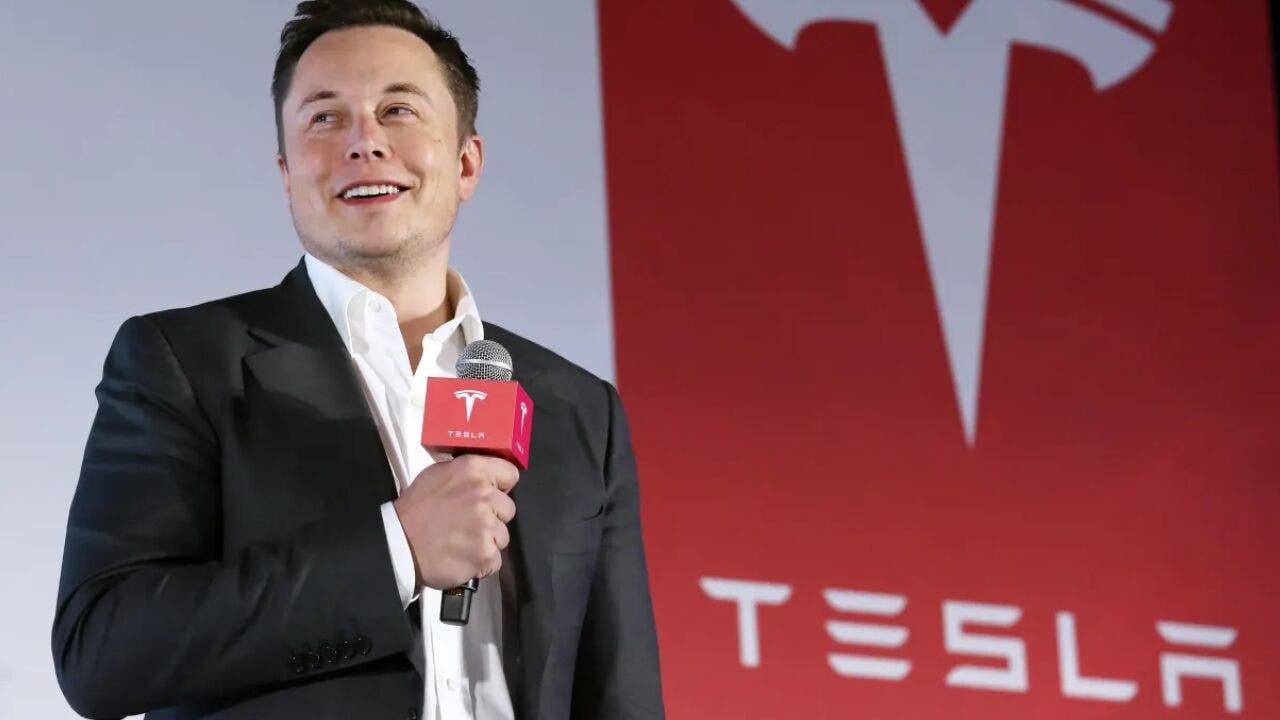
Even so, his criticism also needs to be read in light of the environment in which European automakers have had to operate. The regulatory framework on the continent has changed several times in recent years, and in December 2025 the European Commission itself proposed revising the law that would have banned new combustion-powered models from 2035, reopening room for solutions such as plug-in hybrids, range extenders, and low-emission fuels. In other words, European automakers have worked in a regulatory environment far less linear than many people often suggest, and repeated legislative adjustments have not helped create the kind of execution speed Musk continues to demand.
His comments also come at a time when Tesla itself is facing a very different competitive landscape from the one it saw just a few years ago, when the American brand’s technological and commercial lead over the rest of the EV market still looked much harder to challenge.