

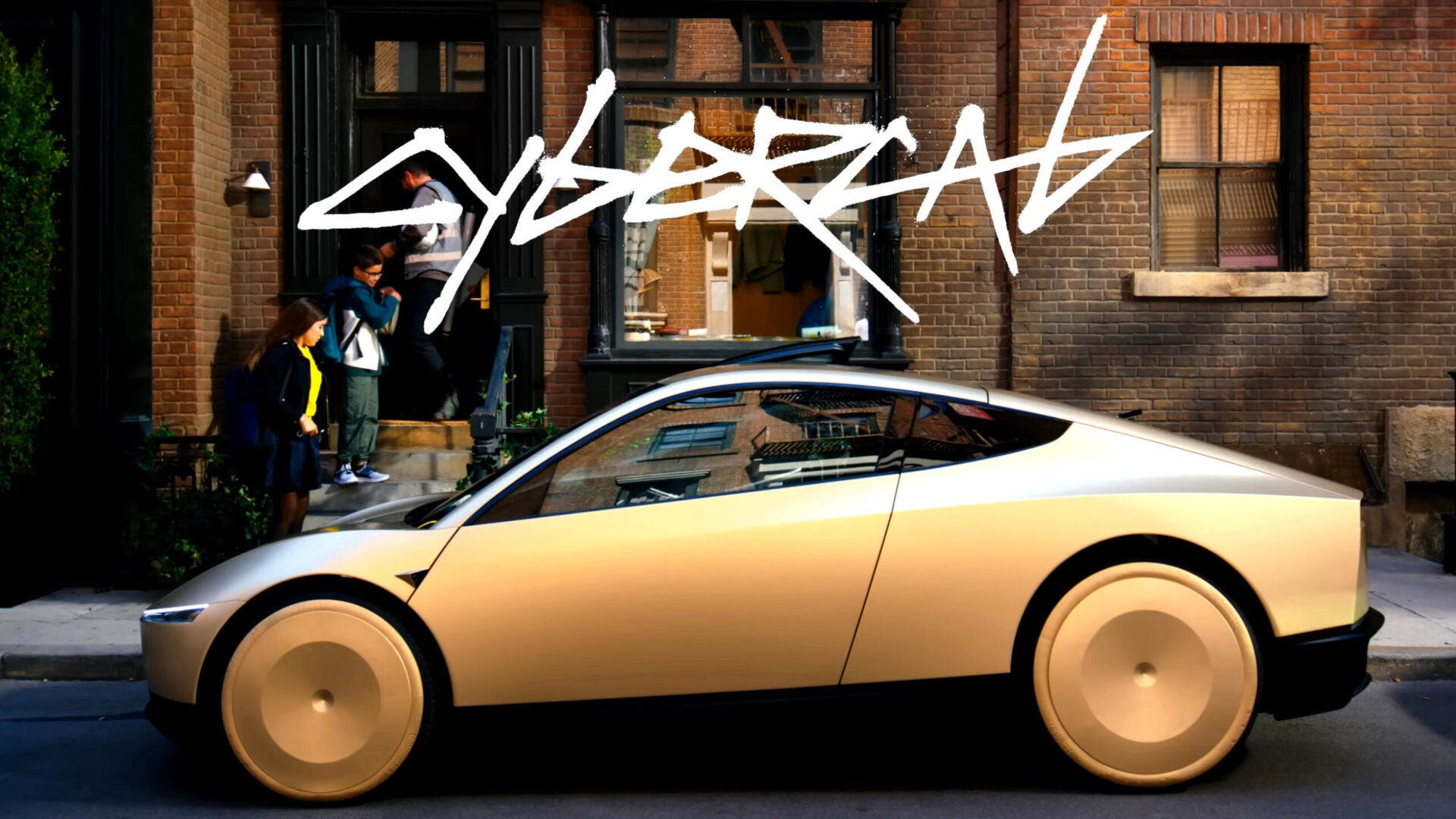
Tesla currently does not have the approvals required to operate the Cybercab as a robotaxi in California, one of the most important states for the development and regulation of autonomous driving in the United States. According to Reuters and confirmed by an official from the California Public Utilities Commission, the American automaker’s driver-assistance systems still fall under SAE Level 2. That classification requires constant supervision by a human driver and does not qualify for the approvals reserved for Level 3 or higher autonomous vehicles.
Tesla Cybercab falls short of true robotaxi status under California rules
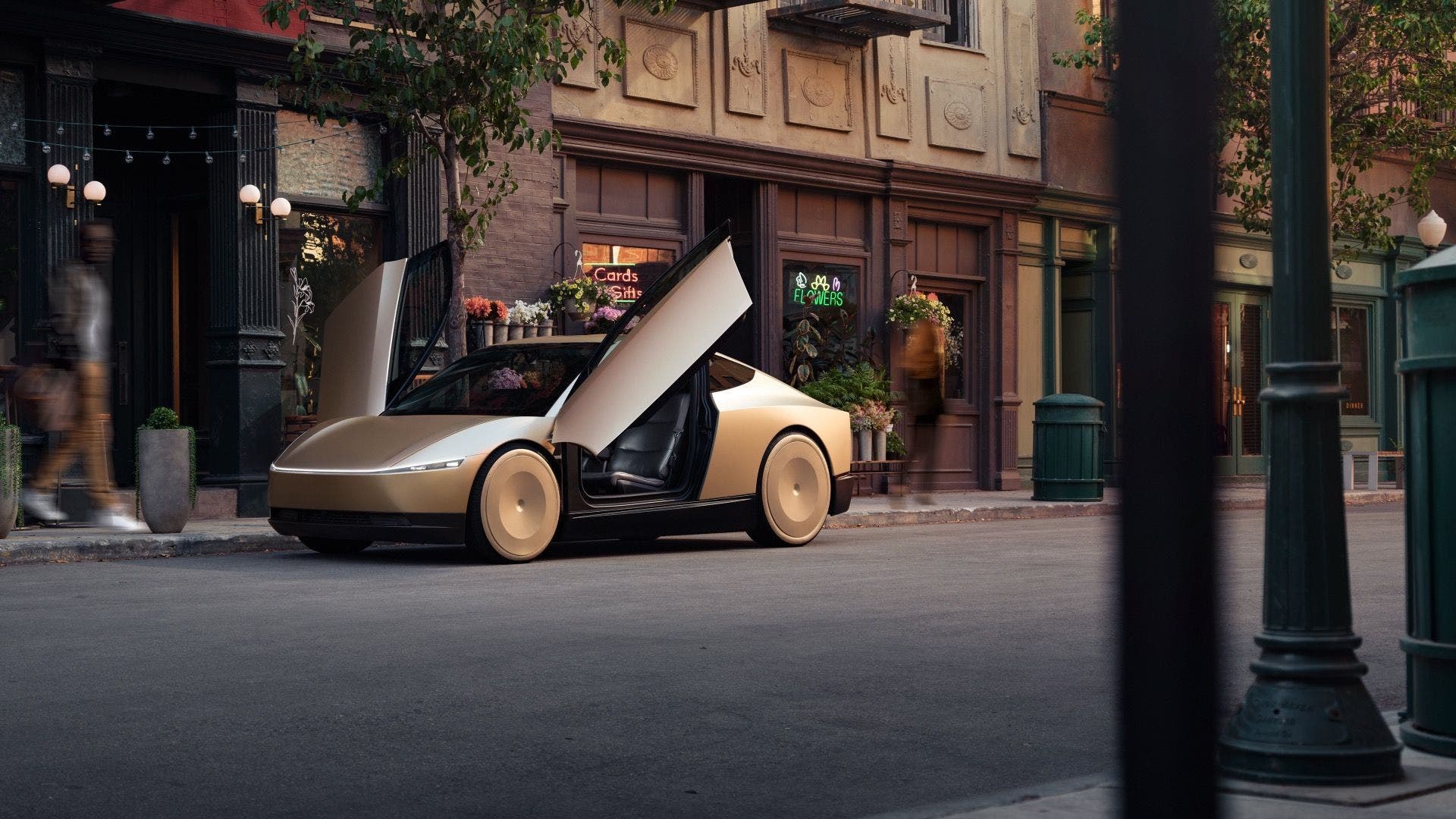
The issue is that the Cybercab, a vehicle Tesla has presented as part of its vision for future mobility and one that in theory has no steering wheel or pedals, cannot currently be treated as a fully autonomous robotaxi under California rules. Any service the company could offer today would fall into a far more traditional category, closer to chauffeured transportation than to driverless taxis with no operator on board.
Reuters also reported that Tesla has not logged autonomous miles with California regulators since 2019, and since 2016 the company has documented just 562 test miles relevant for regulatory approval. That is a very small figure when compared with the activity of companies that are already operating in the autonomous driving space.

Waymo and Zoox work with systems classified at higher levels of autonomy and must comply with much stricter regulatory requirements, from regularly reporting crash data to monitoring service interruptions. Tesla, with systems that remain at Level 2, avoids many of those obligations, but it also gives up the chance to claim a comparable status.
Tesla has pushed the autonomous driving promise for more than a decade, from Autopilot to Full Self-Driving, and that promise has played a major role in building the brand’s technology image. But a gap still remains between that promise and formal recognition from regulators. For now, no software update has closed that gap, and until Tesla’s onboard systems move beyond Level 2 under California’s regulatory framework, calling the Cybercab a true autonomous vehicle will remain, at best, premature.