


Ford is preparing a new generation of electric vehicles designed to compete directly with the Tesla Model 3 and Model Y, with a focus on lower prices and an industrial logic very different from the one it has followed so far. Jim Farley himself confirmed that direction in recent days, reiterating that Ford plans to introduce a more affordable future EV aimed at taking on the best-selling models in Elon Musk’s lineup.
Ford is preparing new EVs to take on the Tesla Model 3 and Model Y

The announcement comes at a time when Ford has already substantially revised its electrification strategy, scaling back or canceling several projects that were not delivering the expected results. Those changes included plans for future large electric pickups and the next-generation battery-electric Transit.
This shift reflects a market environment that has proved less favorable than expected, along with a political climate in the United States that has helped cool enthusiasm around some EV programs. That reality has pushed Ford to focus its resources on products that make more economic sense and that more closely match what demand actually seems ready to absorb. At the same time, Ford continues to invest heavily in hybrid powertrains and in some future range-extended electric vehicles, especially for customers who tow or use their vehicles in more demanding conditions.
At the center of this new phase sits the Universal Electric Vehicle platform, which Ford developed to support electric models that stay technologically current but, above all, cost less to build than today’s architectures. The first vehicle based on this platform should be a midsize electric pickup priced at around $30,000, expected as early as next year. Even so, it seems unlikely that Ford created a dedicated architecture for just one product.
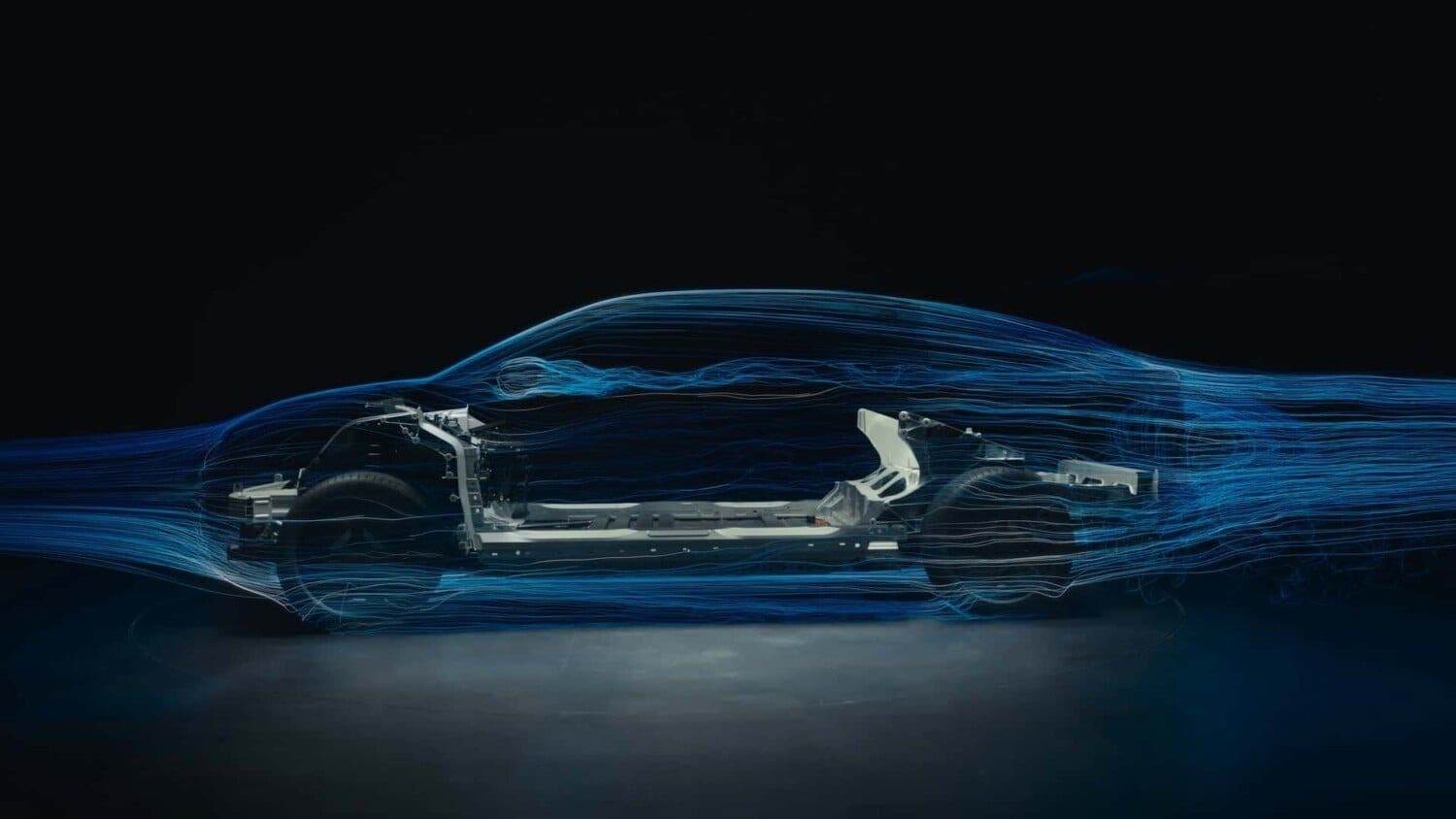
The future rivals to the Model 3 and Model Y should also come from the same platform, although it is still too early to say whether Ford will create two separate products or one model offered in several configurations. In any case, the architecture appears designed to deliver enough flexibility to support different body styles and layouts.
To keep production costs under control, Ford will likely turn to LFP lithium iron phosphate batteries. The company already plans to use that chemistry in its next-generation electric pickup. LFP cells cost less and handle full charging cycles better than traditional high-nickel batteries, although they also deliver lower energy density, which means slightly less range for the same weight.
Ford therefore seems ready to gradually move away from expensive niche EVs and shift toward models that are more affordable and easier to build at scale. That approach could finally produce the first Blue Oval EVs truly capable of challenging Tesla’s dominant position in the highest-volume segments of the North American electric market and beyond.