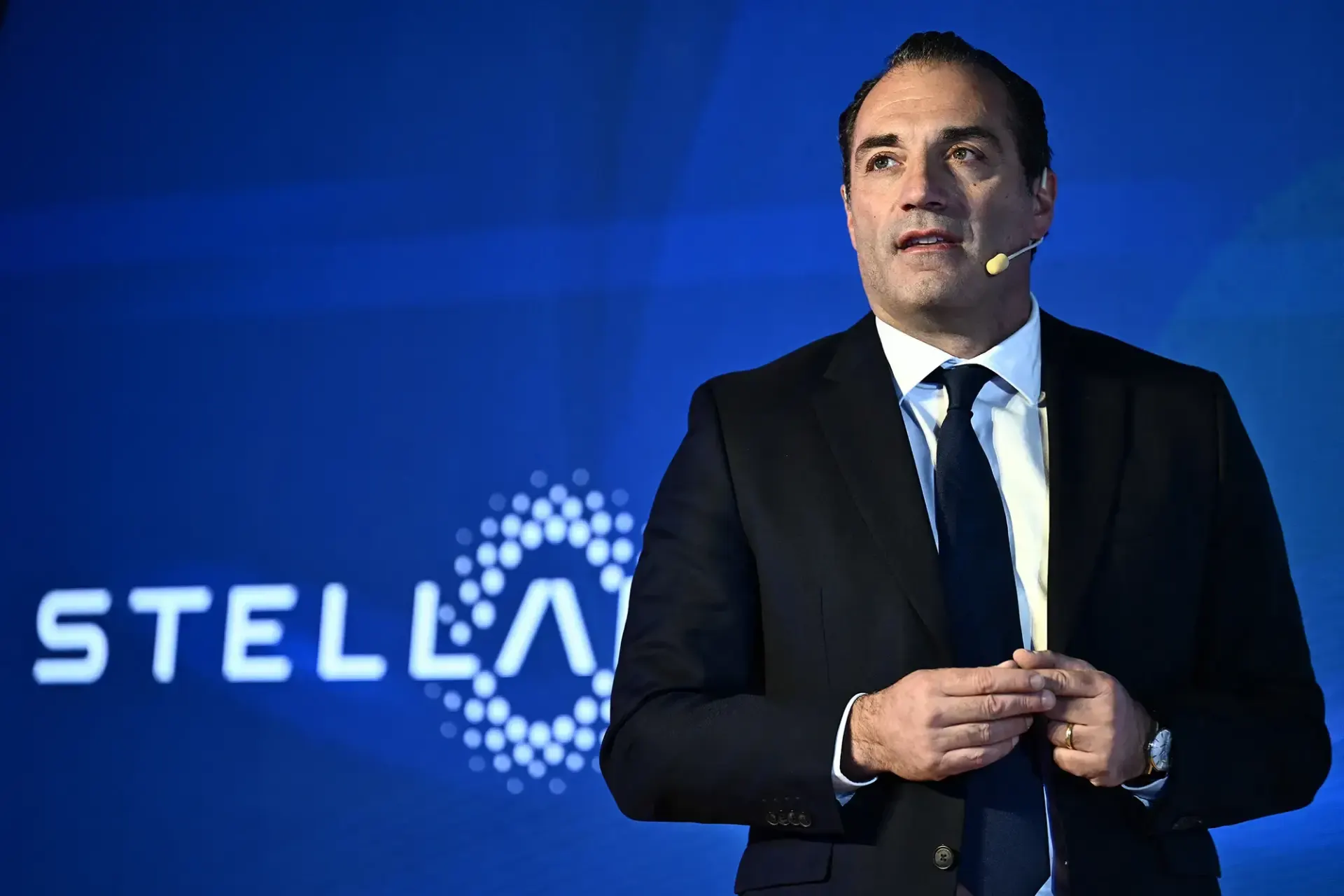
Wall Street has delivered a ruthless report card to Stellantis this year, erasing nearly 60% of its stock value since January. On Wednesday, September 30, as shares dipped another 1.58% to a sobering $4.36, right on the heels of a fresh all-time low recorded just twenty-four hours earlier, CEO Antonio Filosa took the stage at the Automotive News Congress in Detroit.
Undeterred by what is shaping up to be the single worst financial year for the conglomerate since the historic January 2021 merger of Fiat Chrysler Automobiles and PSA Group, Filosa projected unwavering corporate optimism, assuring skeptical investors that the executive team remains “totally committed” and convinced of its path forward.
Despite the market’s ongoing temper tantrum, Stellantis is stubbornly clinging to its 2026 financial guidance, projecting mid-single-digit net revenue growth and a low-single-digit adjusted operating margin.
However, the real Everest Filosa must climb is cash generation. The automaker is aiming to achieve positive free cash flow by 2027 and breach the €3 billion milestone in 2028. An ambitious pivot considering last year’s eye-watering negative cash flow of €4.5 billion.
Engineering a multi-billion-euro turnaround won’t happen through executive motivational speeches alone. It demands flawless execution across product rollouts, dealership inventory control, and cost management under a massive $70 billion strategic initiative.
To steer the giant back on course, Filosa is placing his biggest bets on North American heavyweights Jeep and Ram while empowering regional leadership teams to make faster, market-tailored decisions. Crucially, despite persistent rumors that underperforming badges might get kicked off the island, Filosa reaffirmed that none of Stellantis’s fourteen distinct brands will be sold or shuttered.
That hasn’t stopped Wall Street from imagining alternative endings, with RBC Capital Markets analyst Tom Narayan floating a long-term spin-off or corporate breakup as a plausible scenario if margins fail to bounce back.
While Stellantis officially maintains absolute unity, investors are withholding their applause until upcoming quarterly earnings prove whether “listening to the customer” can actually put money back in the bank.