
Stellantis has reached the five-year milestone since the launch of its first connected cars in South America, with a base approaching 500,000 vehicles produced with integrated connectivity technology. The journey began in 2021 with the Jeep Renegade and Fiat Toro, expanded that same year to the Jeep Compass, Jeep Commander, Fiat Pulse and Fiat 500e, and gradually grew to include much of the lineup sold across the continent.
Stellantis brings connectivity to more models in South America
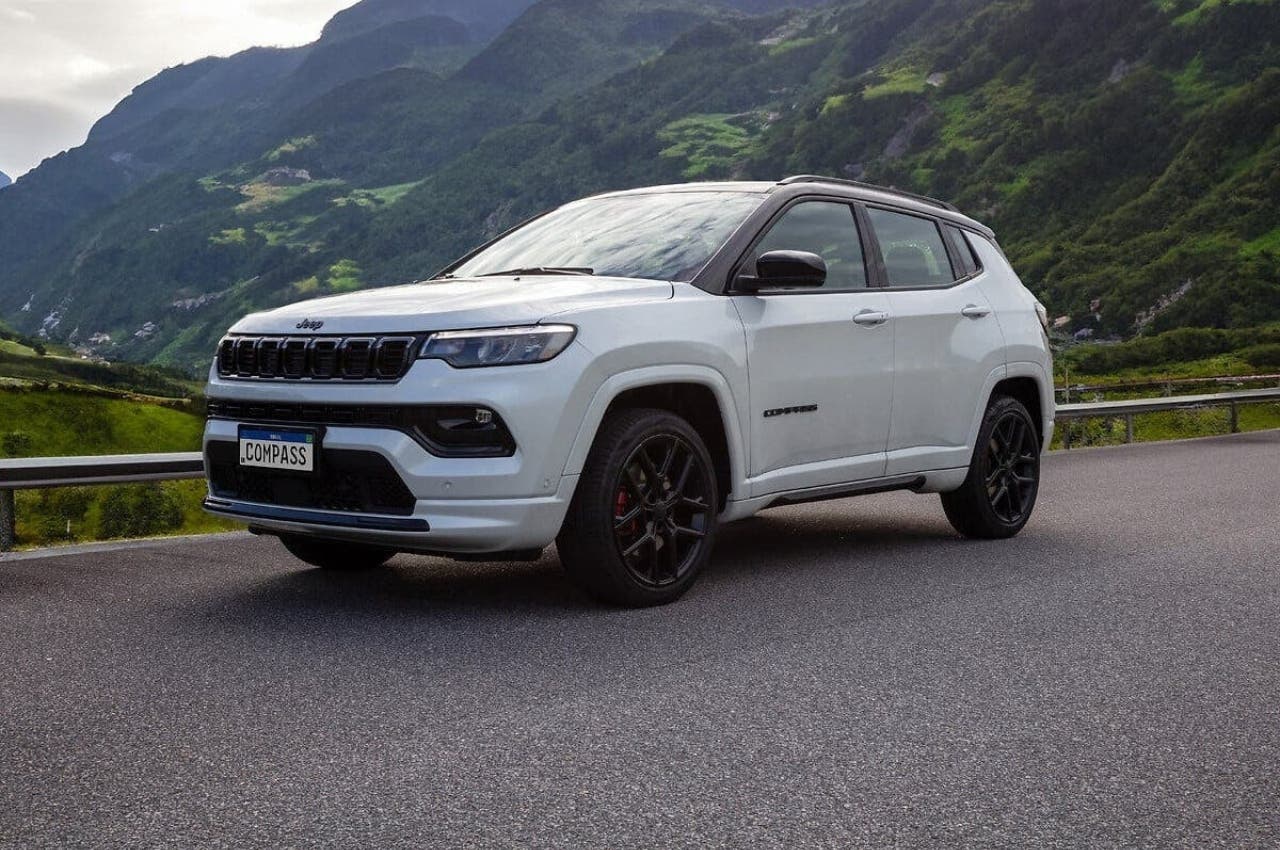
In 2022, the connected ecosystem added the Jeep Compass 4xe, Fiat Fastback and Pulse Abarth. In 2023, the services reached the Ram 1500, 2500, 3500 and Rampage pickups, as well as a fleet management solution for the Fiat Ducato. The expansion continued in 2024 with the Jeep Grand Cherokee 4xe and Fiat, Peugeot and Citroën commercial vehicles. Over the past year, the Peugeot 208 and 2008 also entered the connectivity ecosystem, while the extension of services to Argentina and Chile significantly broadened the geographic coverage of the group’s digital offering in the region.
In 2025, the new Leapmotor models for the South American market will come connected from launch, confirming that the joint venture between Stellantis and the Chinese automaker also extends to the digital side of vehicles intended for this region. Stellantis also started 2026 by bringing connectivity technology to the Fiat Strada, the region’s best-selling model. Given its potential volumes, this move could represent the single most important contribution to reaching new numerical milestones in the coming months.
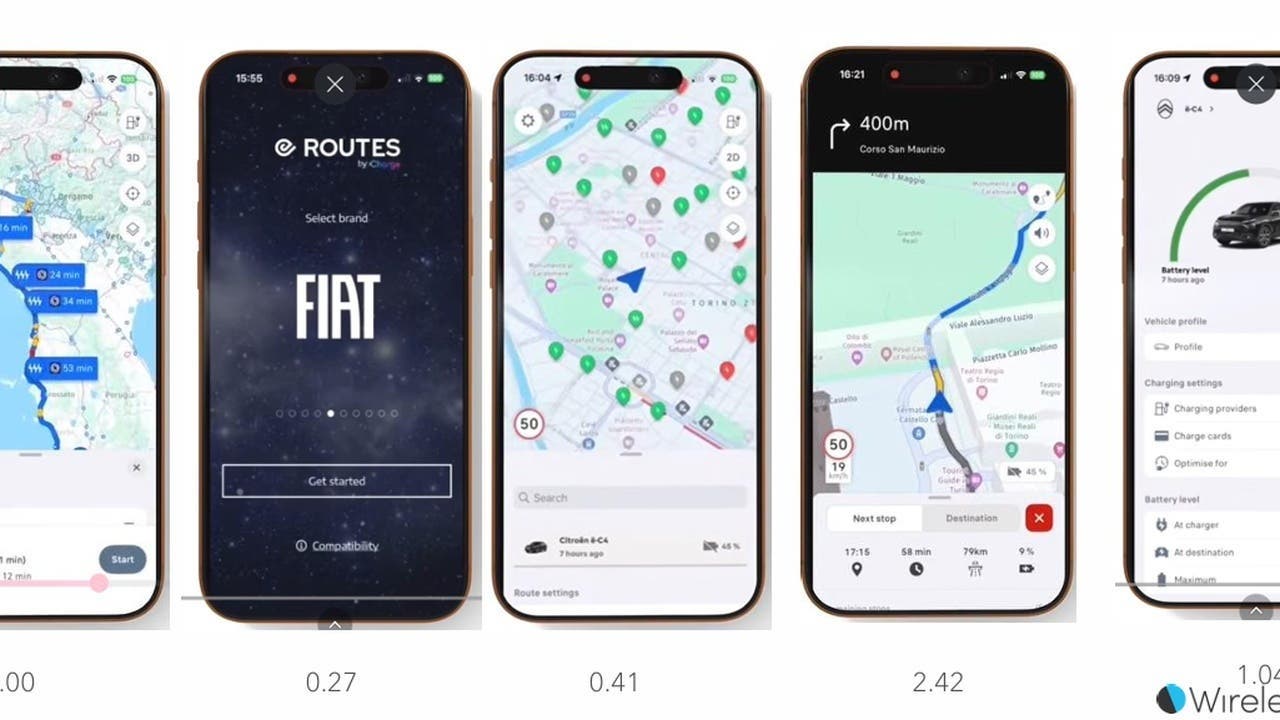
According to Gisele Tonello, Vice President of Software Business Management for South America, the milestone of half a million connected vehicles confirms the impact of the group’s digital strategy on customers’ daily lives, with services ranging from real-time information to remote assistance, insurance benefits and online maintenance booking.
The result also reflects Stellantis’ ability to adapt global development to the specific needs of the local market, where infrastructure and usage habits differ from Europe and North America, and where the spread of connectivity must deal with a digital network that still remains under development in several areas of the continent. The 2026 plan includes a further extension of connectivity to upcoming new models, strengthening the role of software and digital services within the group’s regional offering.