
Developments related to combustion engines have become increasingly rare in recent years, as the industry’s focus shifts toward electrification. Stellantis, however, is attempting to carve out space in this landscape with the Hurricane 4, a four-cylinder engine that, on paper, rivals solutions typically associated with motorsport applications.
Stellantis Hurricane 4 shows combustion engines still have a future
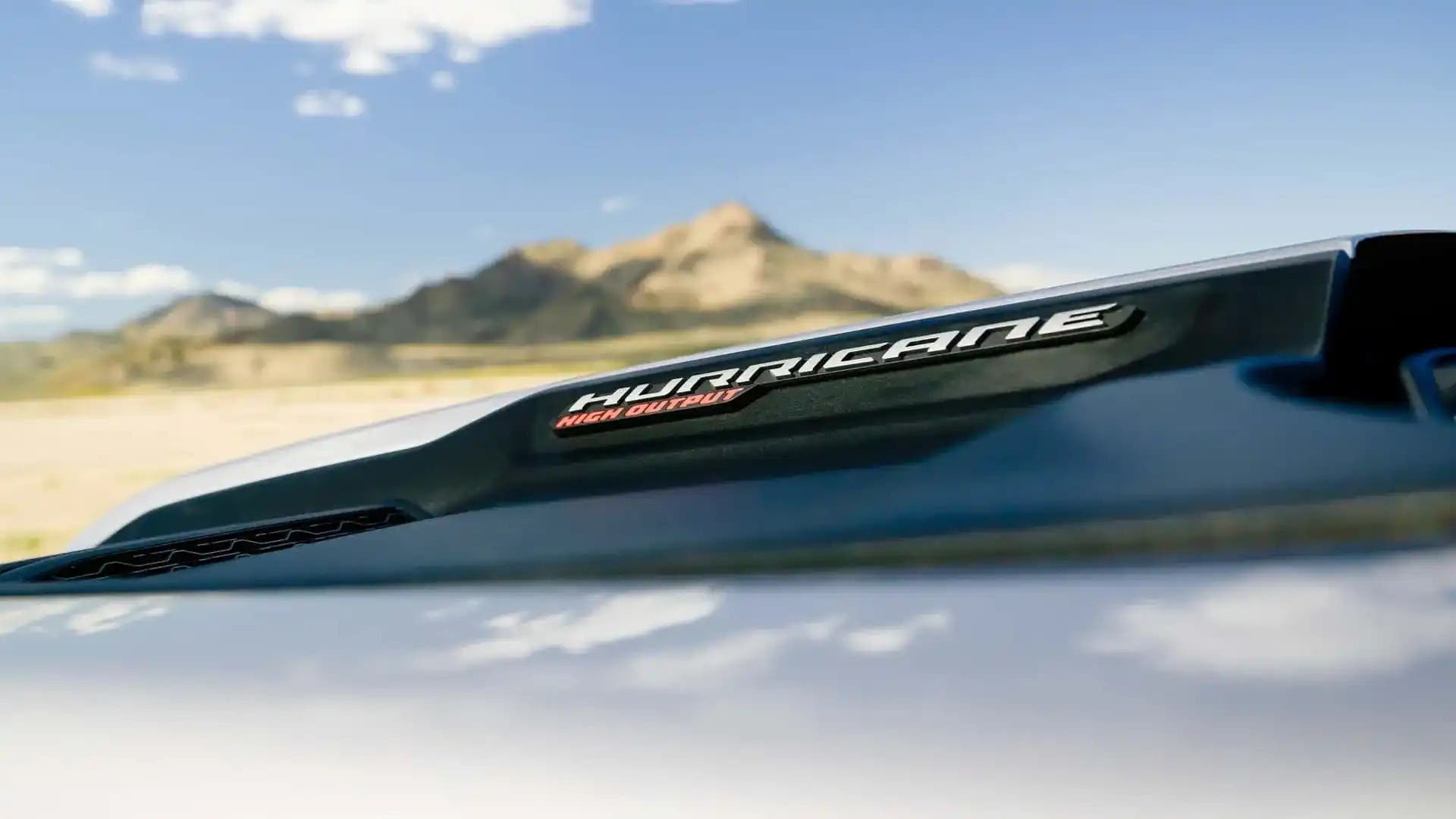
At the heart of the project lies Turbulent Jet Ignition technology, a pre-chamber combustion system already seen in Formula 1 and used by Maserati on the Nettuno V6 powering the MC20, here adapted for large-scale production. The system operates through a small pre-chamber inside the cylinder, where the air-fuel mixture undergoes optimization before ignition. The resulting flame jets improve combustion efficiency while reducing energy losses. Supporting the system are two spark plugs per cylinder, one dedicated to the pre-chamber and another activated under higher load conditions.
The engine combines both direct and port fuel injection with a variable-geometry turbocharger, a solution rarely used on gasoline engines. This setup helps reduce turbo lag, improves low-rpm response and accelerates catalyst warm-up during cold starts. Boost pressure can reach approximately 2.4 bar, a notably high figure for a four-cylinder engine, while an electrically controlled variable valve timing system also manages the Miller cycle to enhance overall efficiency.
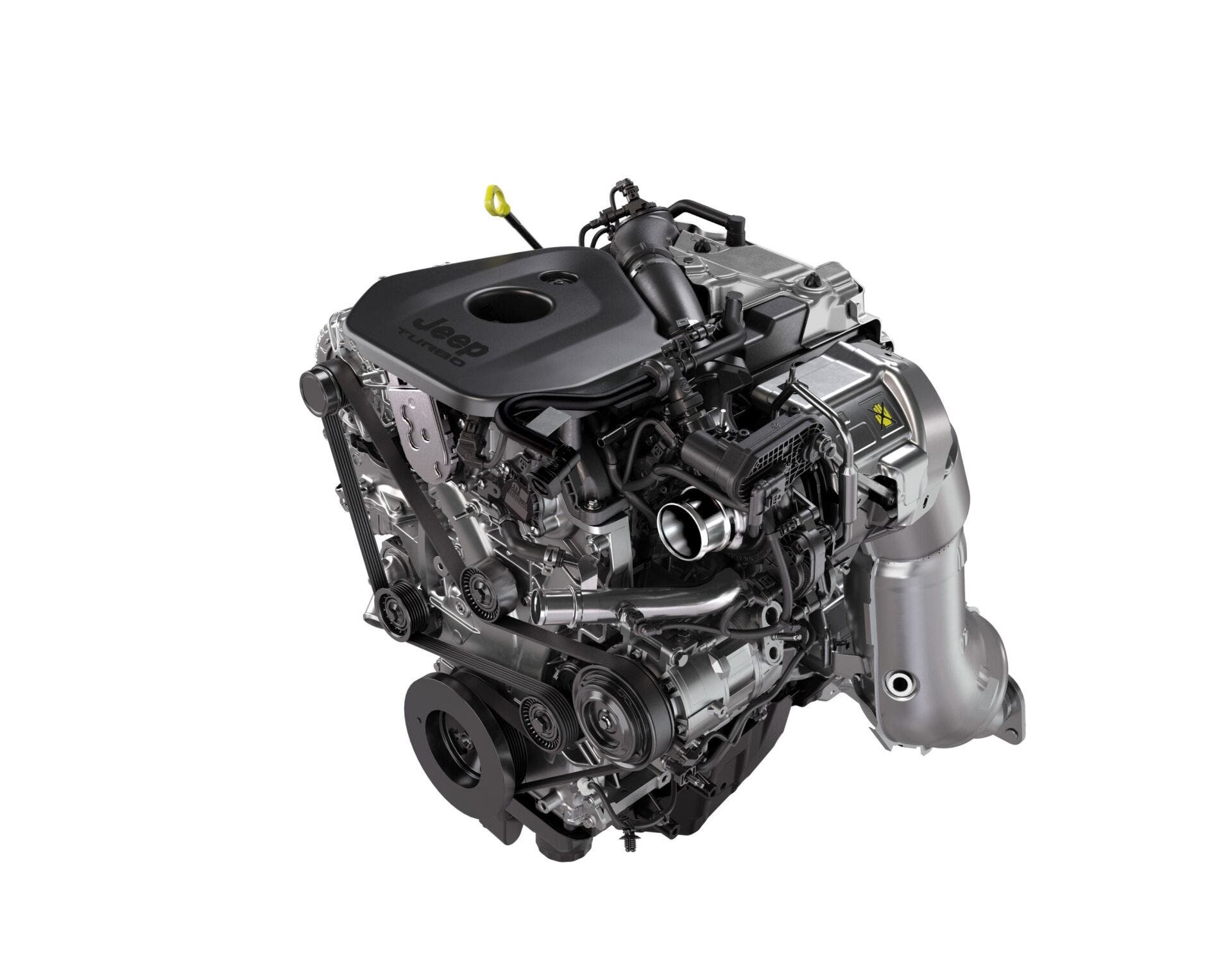
The aluminum engine block features reinforced construction inspired by premium engines such as BMW’s B48 and B58 units, with block walls extending below the crankshaft line to ensure greater rigidity under high loads. Cooling relies on a compact water-to-air intercooler paired with a front-mounted heat exchanger.
From an application standpoint, the Hurricane 4 covers a wide range of vehicles, from the Jeep Compass to the Grand Cherokee, making it one of the most versatile four-cylinder engines currently under development in the segment. At a time when many automakers show decreasing willingness to invest in combustion engines, Stellantis is taking a different path by bringing racing-derived technologies to models designed for mass-market customers.