Stellantis has hired about 2,000 engineers to address quality issues that have emerged in recent years across several of its models, as a new generation of vehicles prepares to reach the market. CEO Antonio Filosa confirmed the move during the February earnings conference call, describing it as a deep overhaul of internal processes. According to Filosa, the company is working both on execution and on quality management systems to correct problems that stem from operational decisions made in the past.
Stellantis hires 2,000 engineers to fix quality issues
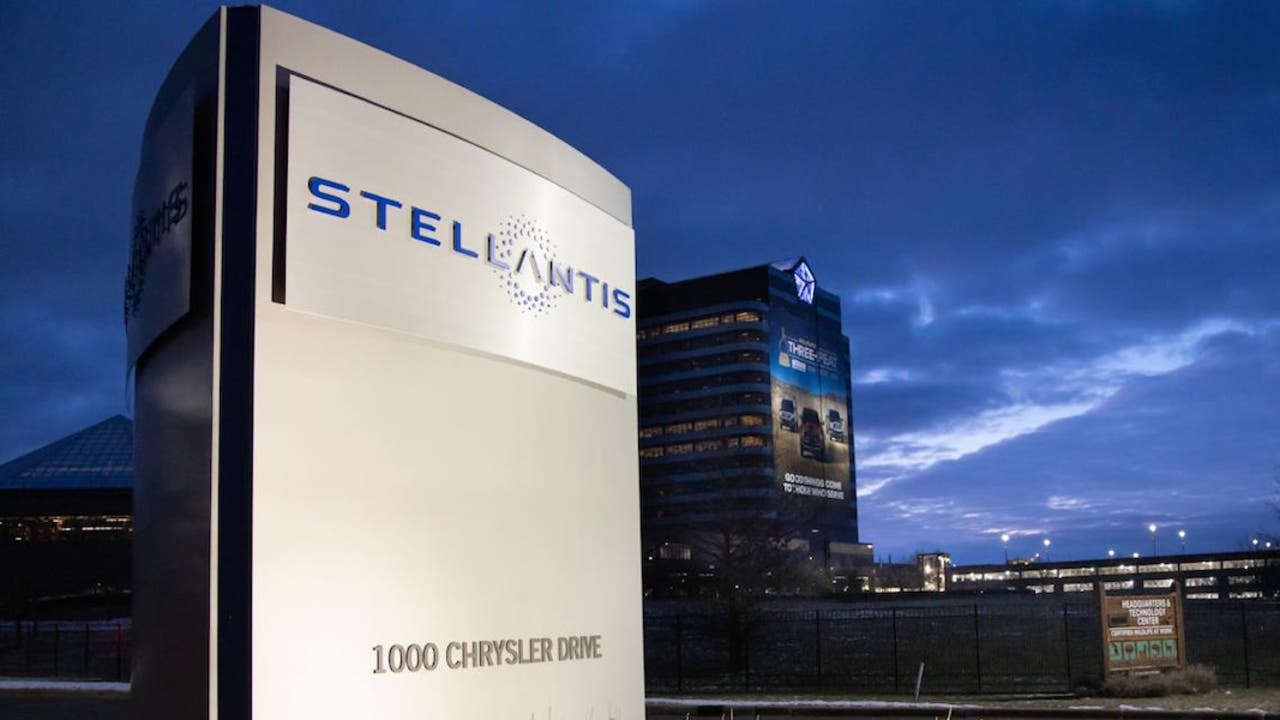
According to AutoNews, quality now carries greater weight within the group’s organizational structure. Stellantis has added Chief Quality Officer Sebastien Jacquet to the company’s strategic leadership team, a move that signals the intention to treat quality as a cross-company priority rather than leaving responsibility with individual brands or factories.
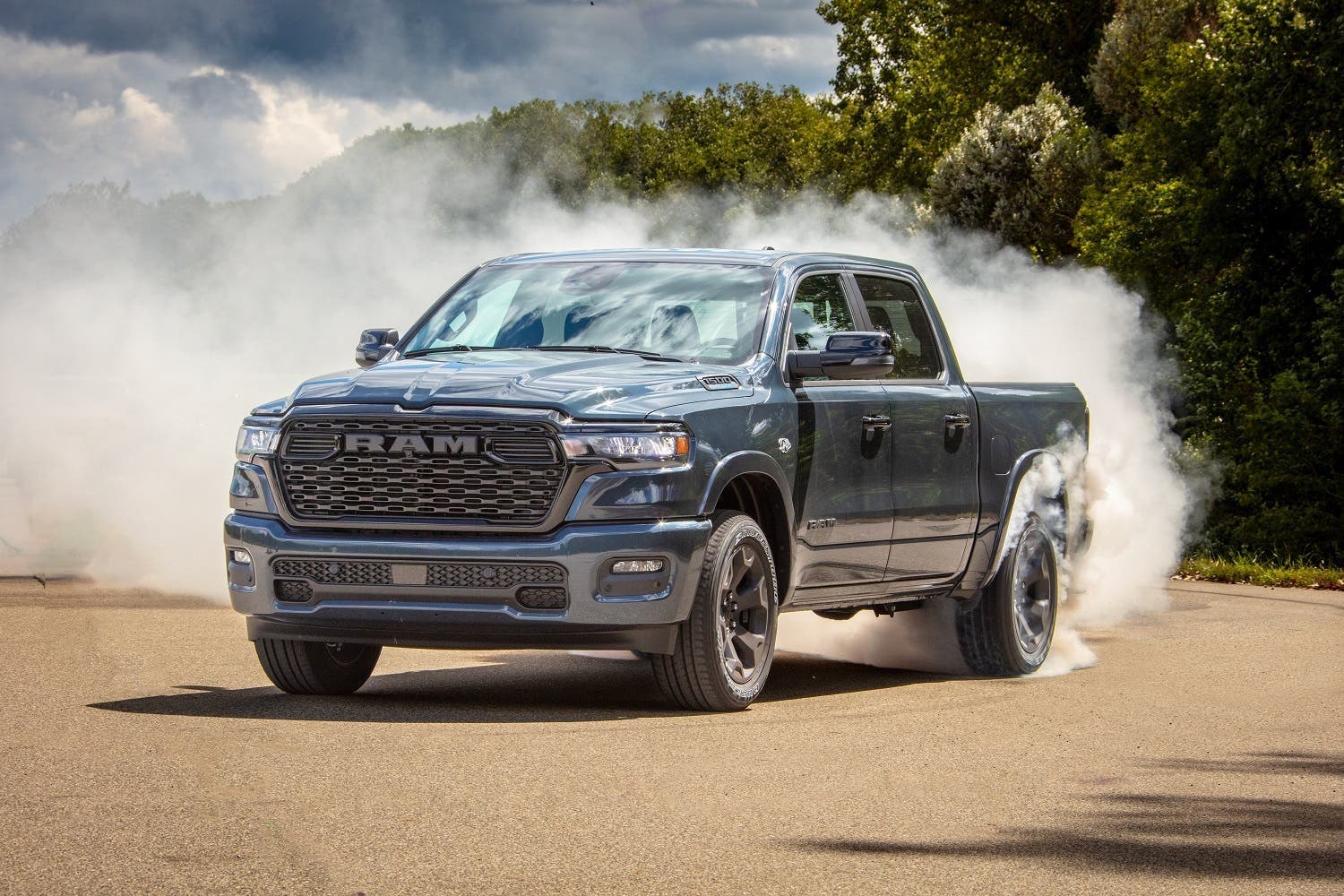
Recent results explain why Stellantis sees the issue as urgent. In the J.D. Power U.S. Initial Quality Study, which tracks problems reported during the first 90 days of ownership, Dodge dropped from first place in 2023 to last place in 2024, before climbing back to seventh position in 2025. Chrysler and Ram also finished below the industry average. The data stands out partly because some recurring issues involved mature vehicles such as the Chrysler Pacifica and Dodge Durango, where manufacturers typically expect greater stability in quality. Newer models such as the Ram 1500, on the other hand, often experience more issues during the early stages of production, which is relatively common in the auto industry.
Jake Fisher, director of the Auto Test Center at Consumer Reports, noted that the most challenging moments for automakers often occur during the launch of new vehicles, major redesigns, or the introduction of new technologies. Brands that maintain stronger reliability records usually rely on proven platforms and powertrains with fewer radical changes.
Some dealers link the recent difficulties to cost-cutting measures introduced under former CEO Carlos Tavares, which reportedly reduced resources allocated to engineering. Sean Hogan, president of the Stellantis National Dealer Council, argued that cutting technical support while maintaining the same quality standards was an unrealistic goal, suggesting that part of the current issues may stem directly from those decisions.
Another sign of a possible shift in strategy comes from the return of the 5.7-liter Hemi V8 in the Ram 1500. The engine may be less powerful, slower, and less efficient than some alternatives, but it remains well proven and highly requested by customers. Some analysts believe that its technical maturity could help strengthen the product’s overall reliability. The hiring of 2,000 engineers follows the same logic, as Stellantis works to rebuild the technical structure needed to support upcoming launches. The company appears aware that once a brand becomes associated with reliability issues, changing that perception requires time and measurable improvements.