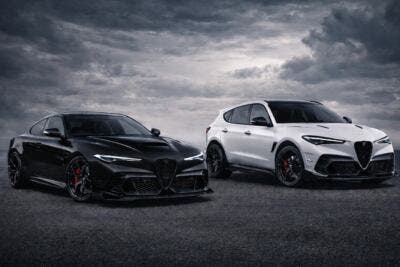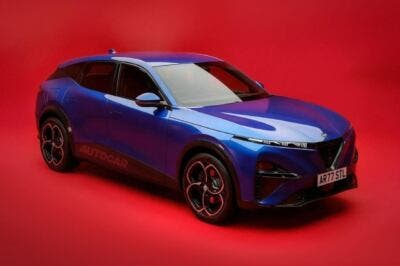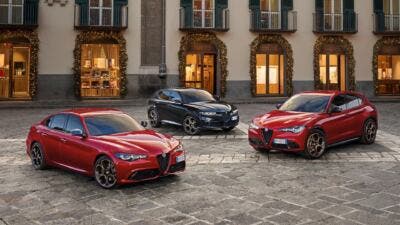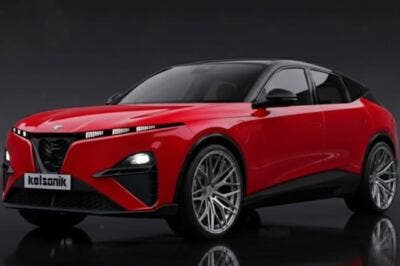
The new Alfa Romeo Stelvio, expected between late 2027 and early 2028, will have to compete with a generation of German premium SUVs that will have significantly raised the technological level of the segment by then. The BMW iX3, Mercedes-Benz GLC EQ and Audi’s upcoming models in the same category are already focusing on 800-volt architectures, faster charging, long driving ranges and next-generation software platforms, all areas where Stellantis does not yet appear to have fully mature solutions for a premium product.
New Alfa Romeo Stelvio faces tough German rivals with advanced EV platforms
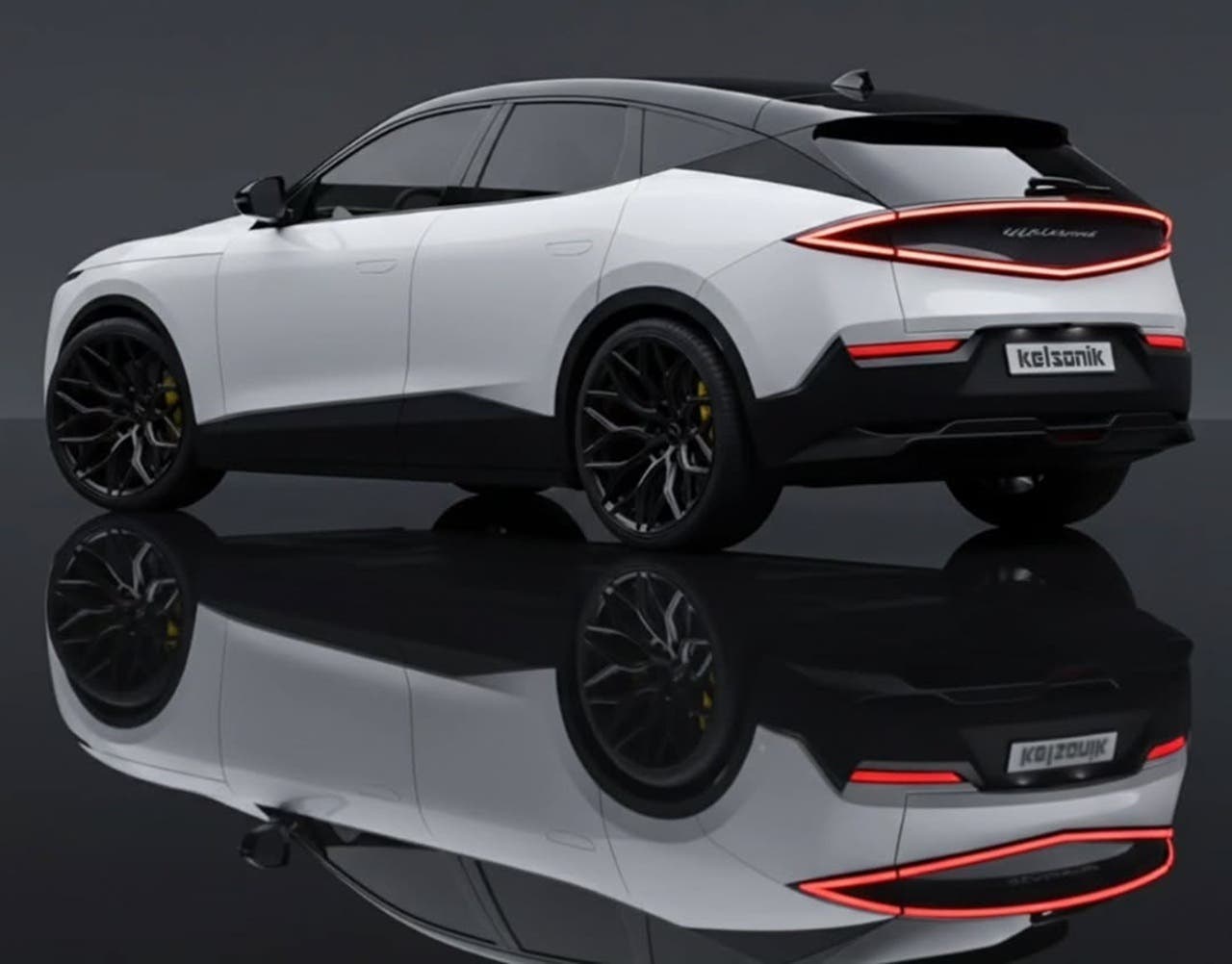
According to Autocar, the new Stelvio and the next Giulia could use the STLA Large platform, while other rumors point to a possible evolution of the current Giorgio architecture, known as Giorgio EVO. In both cases, the key issue remains Alfa Romeo’s ability to turn the technical base into a product capable of competing directly with German rivals on every front, not only in driving dynamics and design. The first models developed on STLA Large, including the Dodge Charger and Jeep Wagoneer S, have not received an especially warm reception, a precedent that forces Alfa Romeo to calibrate chassis, weight, software and perceived quality with great care.
The question of an 800-volt electrical architecture could prove decisive. Mercedes, BMW and Volvo are moving in that direction to deliver shorter charging times, greater efficiency on long journeys and stronger overall performance. If Stellantis arrives late on this front, the electric Stelvio would start with a technical disadvantage that could prove difficult to offset in a segment where even small differences in charging times or real-world range can influence buying decisions.
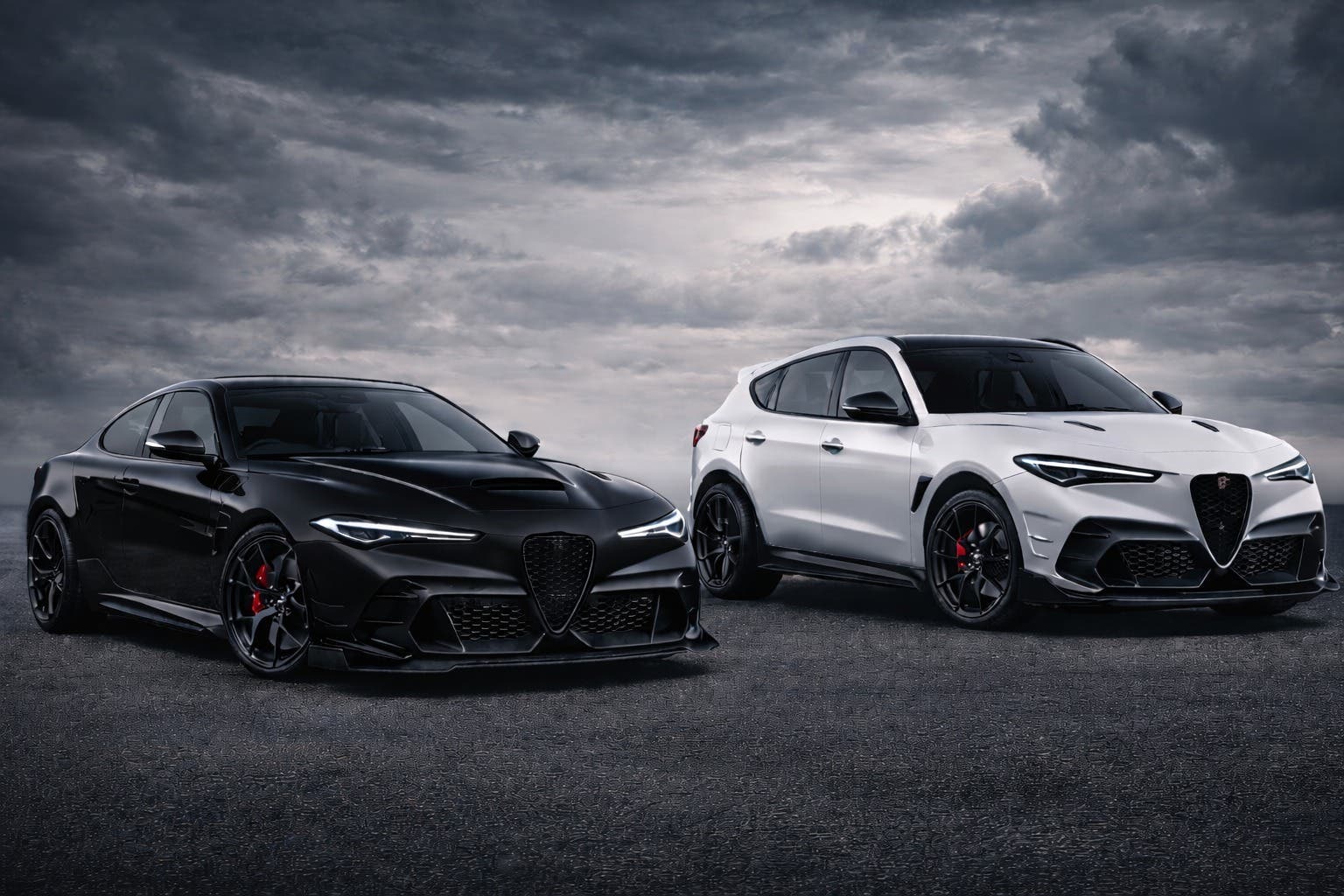
However, the decision to keep combustion engines alongside the electric variant, again according to Autocar, could become a strength during the transition phase. A lineup including electrified internal combustion engines, plug-in hybrids and battery-electric versions would allow the brand to cover markets with very different levels of EV maturity and preserve the connection with customers who still identify Alfa Romeo through the character of its engines.
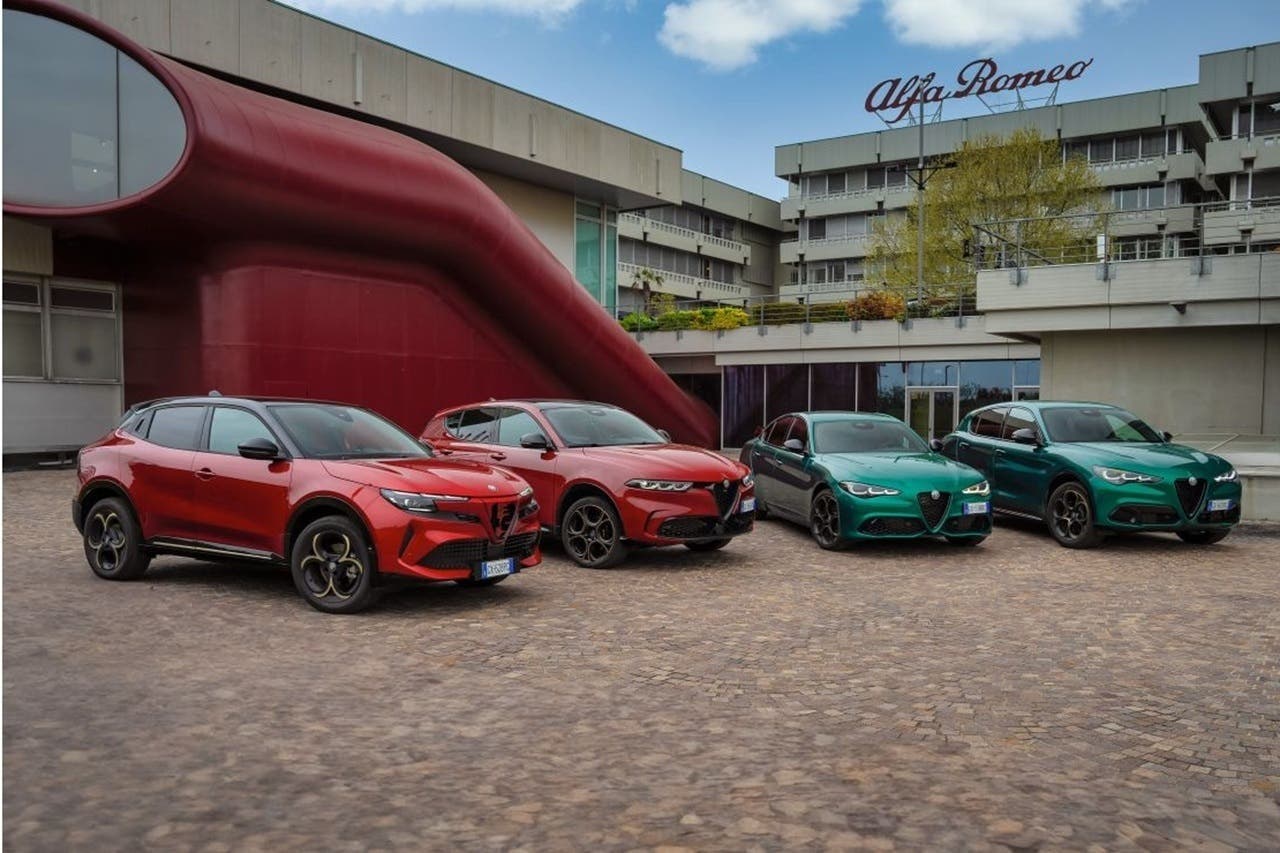
The current Giulia and Stelvio built their following mainly on steering quality, dynamic behavior and a styling personality clearly distinct from the German benchmarks in the segment. The next generation will have to prove it can add technology, digital content and energy efficiency comparable to those of its direct rivals. Without that step, Alfa Romeo’s premium positioning would remain more of a statement of intent than a true market reality.