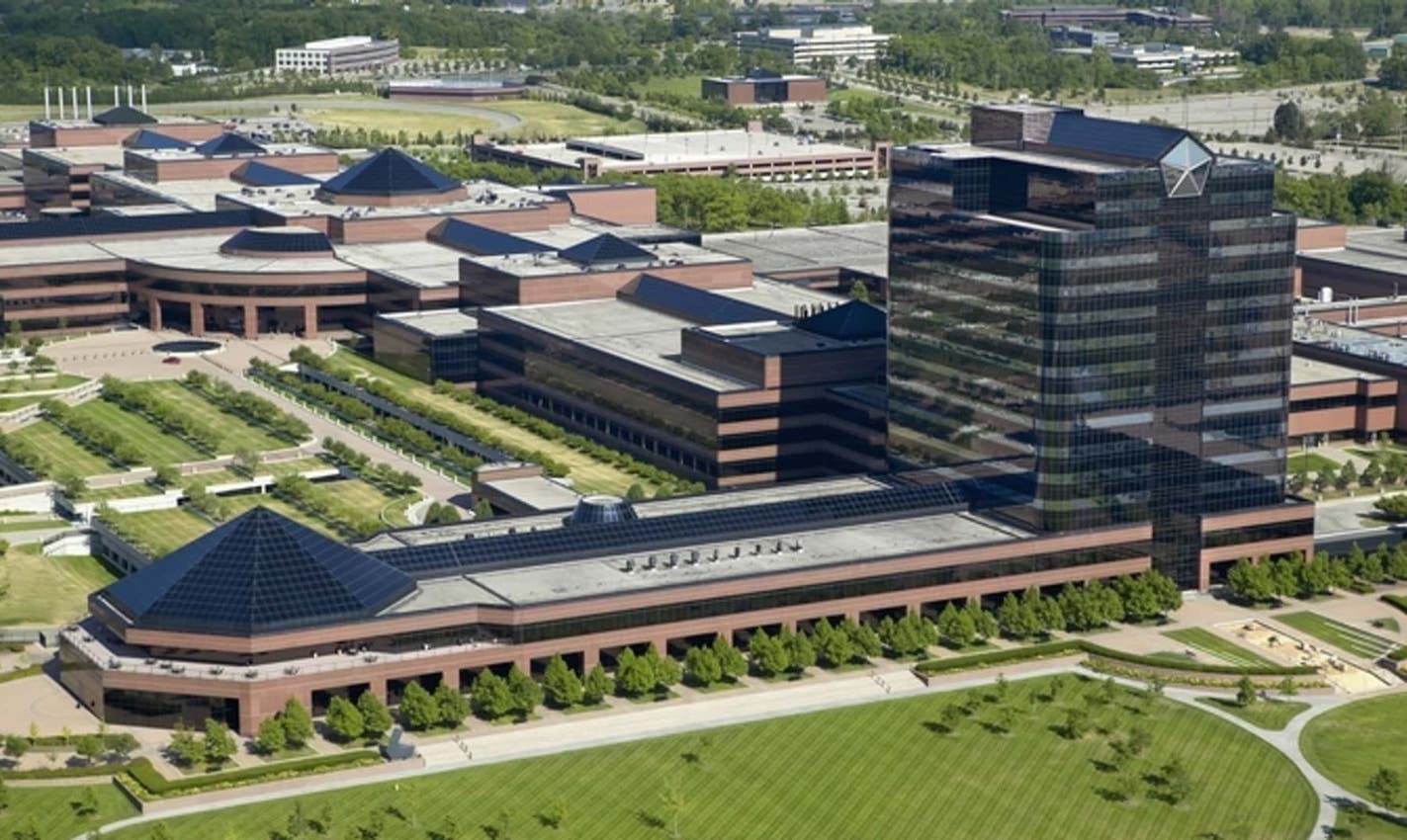
The Michigan Occupational Safety and Health Administration inspected Stellantis’ North American headquarters in Auburn Hills, Michigan, after an internal complaint reported that dozens of employees felt ill after returning to the office. The investigation, opened at the beginning of the year and documented by The Detroit News through a Freedom of Information Act request, ended without penalties but included several recommendations for the group on indoor air quality and mold prevention.
Stellantis office return in the U.S. sparks illness and mold complaints

Workers in the main tower of the complex reported nosebleeds, migraines, vomiting, skin and digestive problems, coughing and fatigue. Complaints reportedly began with the first returns to the office and intensified after the company’s five-day-a-week attendance requirement took effect on March 30. Stellantis introduced the new policy in January after a period of flexible work and an intermediate phase that required at least three days in the office. Some employees also reported black dust, moldy odors, flooding and rodents inside the building, a 15-story complex built in the 1990s and left largely unused during the pandemic.
After a February inspection and interviews with at least nine workers, MIOSHA inspectors found that company tests showed mold spore concentrations slightly above outdoor samples, although still within values generally considered acceptable. They found no evidence of leaks or humidity levels that would indicate internal sources of contamination, and the agency noted that no official limits exist to define a safe level of mold exposure. As a result, the investigation closed without enforcement action.

Stellantis, through spokesperson Jodi Tinson, reiterated that employee health and safety remain a priority for the group, pointing to measures already underway at the complex. These include cleaning work, preventive maintenance, updates to air filtration systems and environmental quality testing. According to the company, the latest assessments confirmed that the workspaces are safe. Stellantis justified the decision to bring salaried employees back to the office full time by citing the need to strengthen collaboration, innovation and internal training.
The case fits into a broader debate across the U.S. auto industry. Ford and General Motors have also adopted stricter return-to-office policies in recent months, facing resistance from some employees. In Stellantis’ case, the long period of reduced use of the building may have heightened workers’ attention to indoor conditions, making the mandatory return especially sensitive in terms of perception and internal support. The office return also proved “traumatic” for parking, as Stellantis favors owners of the group’s vehicles while creating difficulties for employees who drive rival brands.