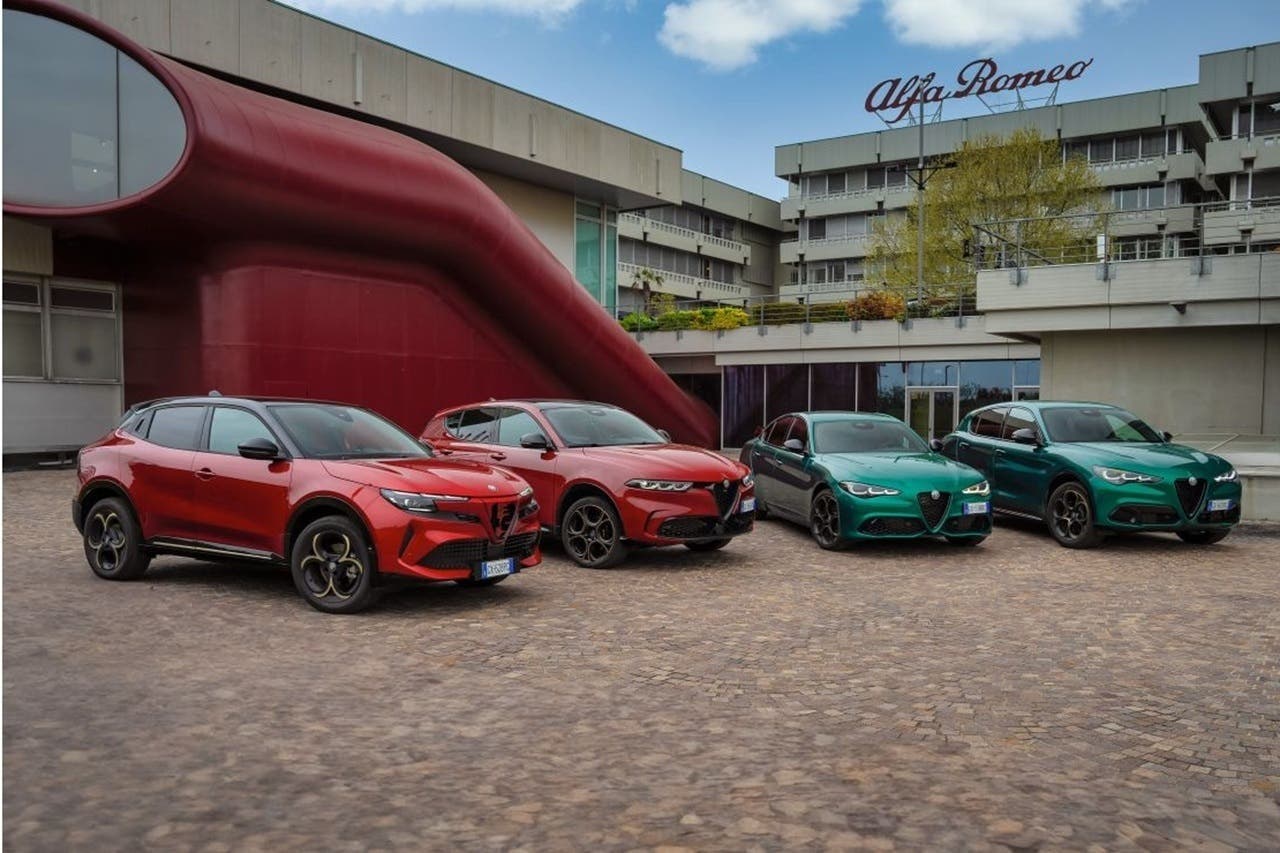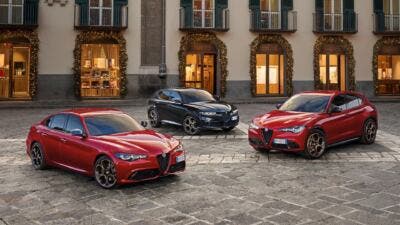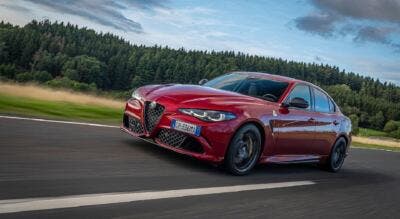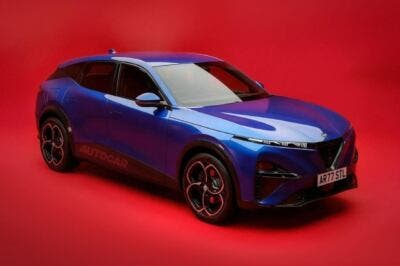
The next-generation Alfa Romeo Giulia and Stelvio will use Stellantis’ STLA Large platform, the same architecture under the new Dodge Charger, but their powertrain strategy is heading in a very different direction from what Alfa Romeo originally announced. According to a report from British outlet Autocar, the Italian brand has moved away from an EV-only plan and now intends to offer both models with a mix of battery-electric, gasoline, and plug-in hybrid powertrains. That shift has pushed the expected launch window from 2026 to 2028.
Alfa Romeo is rethinking the next Giulia and Stelvio with gas, hybrid, and EV power
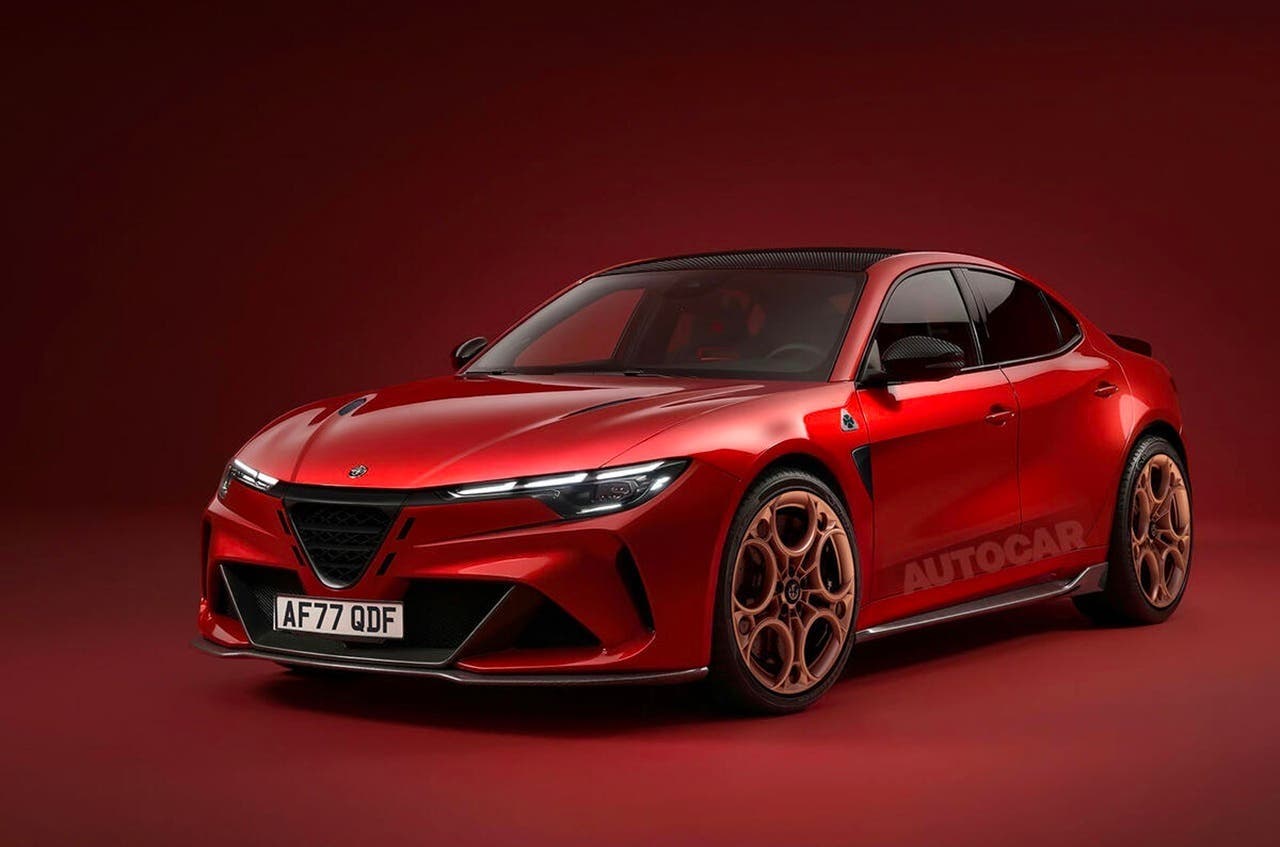
For American buyers, the connection to the Charger matters because it gives a clearer sense of the engineering scale behind these projects. Stellantis developed STLA Large mainly for electrified powertrains, and integrating gasoline and plug-in hybrid setups has reportedly taken more time than the group first expected. That added complexity appears to be one of the main reasons for the two-year delay, but it should also give Alfa Romeo a broader and more market-focused lineup when the cars finally arrive.
Alfa Romeo seems to be making this move based on a realistic reading of demand, especially in North America. EV adoption is still growing, but a large share of luxury and performance buyers in the U.S. continues to prefer combustion engines or hybrid options. Instead of tying its two most important nameplates to a single technology, Alfa Romeo now appears ready to follow a multi-energy strategy closer to the one several German rivals already use.
Both models should also grow in size and adopt sleeker, more aerodynamic bodywork, partly to improve efficiency for the electric versions. The design will likely draw from cues introduced on the recently launched Junior, including split headlights and a revised front shield. Inside, Alfa Romeo is expected to reinterpret its signature telescope-style instrument cluster in digital form while avoiding an overload of screens, an approach that could appeal to drivers tired of overly complicated infotainment layouts.
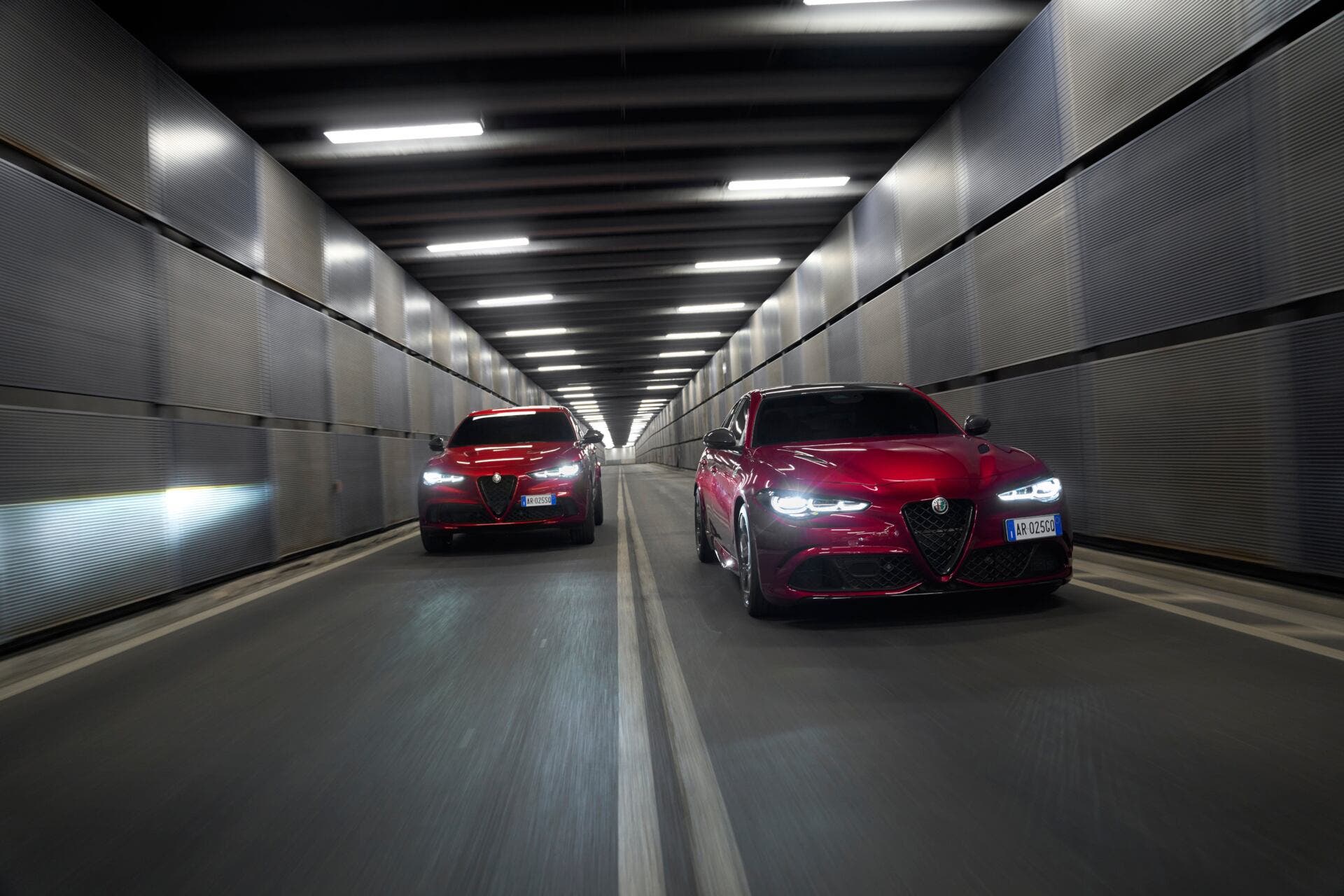
For enthusiasts, the Quadrifoglio versions may become the most interesting part of the story. Current reports suggest Alfa Romeo is exploring two parallel directions: fully electric performance variants built on an 800-volt architecture with very high output, and combustion-powered alternatives that could either keep the familiar 2.9-liter twin-turbo V6 or introduce a completely new six-cylinder engine.
For U.S. buyers who have watched Alfa Romeo’s American presence shrink as the current lineup has aged, the flexibility planned for the next Giulia and Stelvio could mark a meaningful turning point. That outcome, however, will depend on two things: whether the 2028 timeline holds and whether Alfa Romeo can still deliver the driving character that defines the brand.